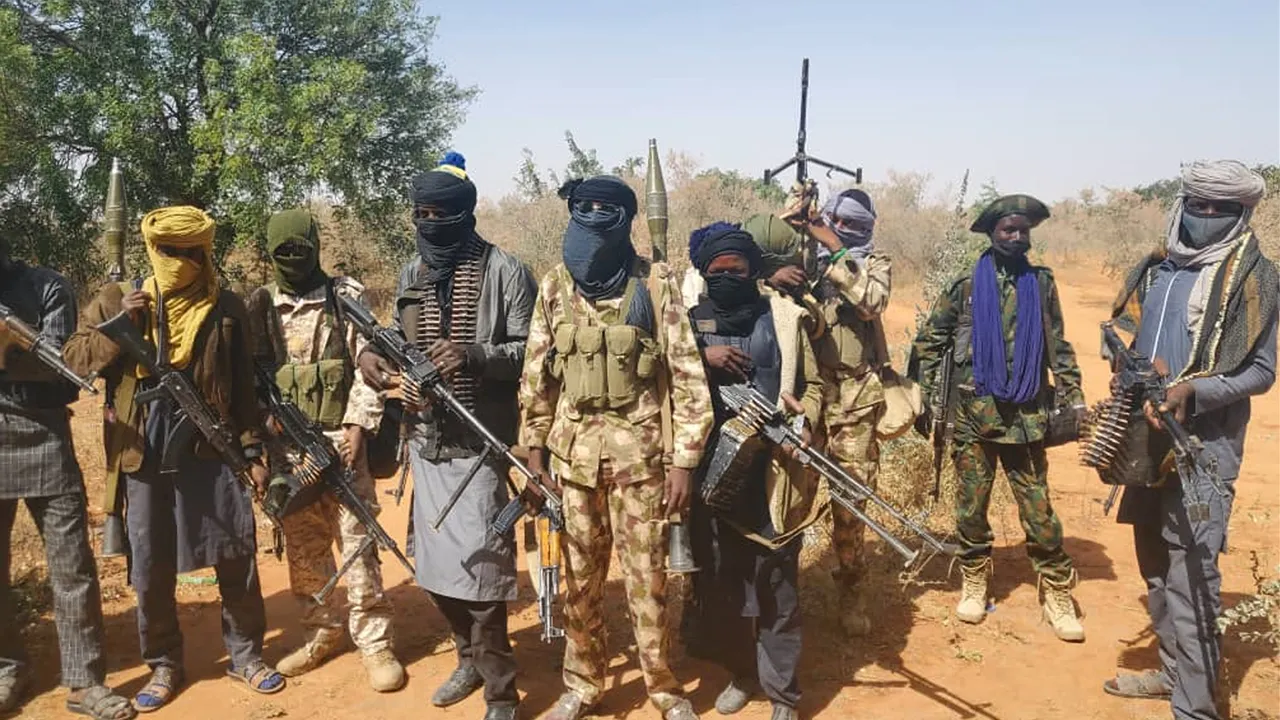
At least four people have been killed after bandits attacked Damala village in the Woko district of Borgu Local Government Area of Niger State.
The assault occurred in the early hours of Saturday, January 10, barely a week after gunmen killed 42 people in a series of coordinated attacks on communities in Borgu and neighbouring Agwara Local Government Area, including the busy Kasuwan Daji market in Demo village.
The Niger State Police Command confirmed the latest incident to Channels Television on Sunday.
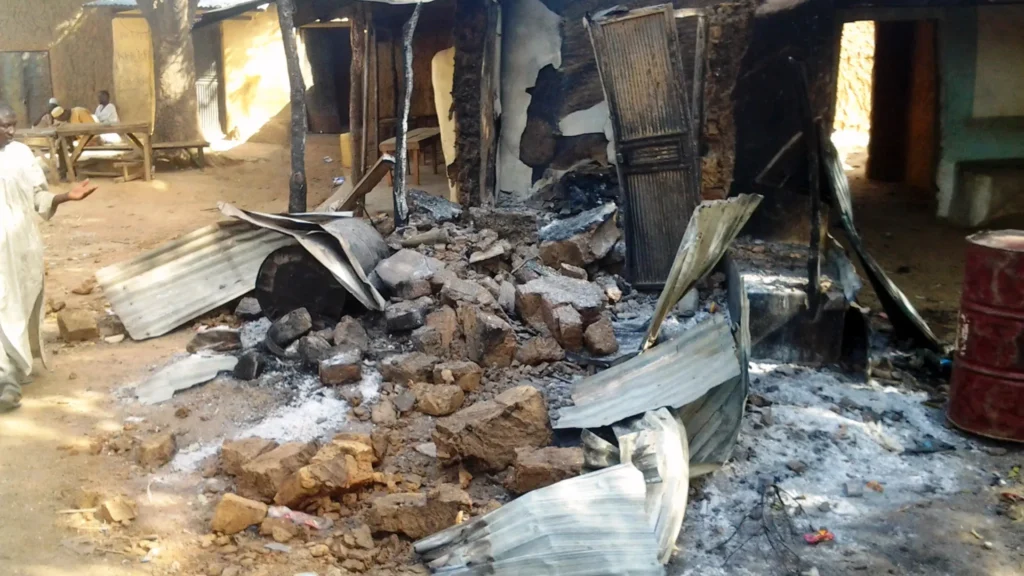
According to a statement by the Command’s Public Relations Officer, Wasiu Abiodun, the attackers invaded the community, rustled an unspecified number of cattle and shot four residents dead during the raid.
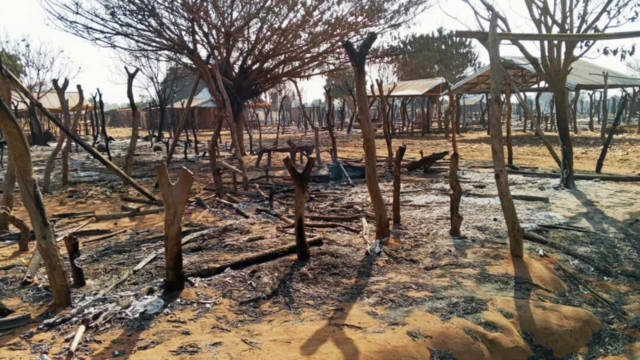
He added that the assailants also set several shops on fire before escaping from the area.
Abiodun, a Superintendent of Police, said security operatives swiftly responded to the incident and have since visited the affected community.
He explained that a clearance operation is ongoing, while security surveillance has been intensified to forestall further attacks and protect residents.
The police spokesperson assured the public that sustained efforts are underway to track down those responsible and restore calm in the area.
Bandit groups have repeatedly carried out large-scale kidnappings for ransom and raids on rural communities across the North-Central and North-West regions of Nigeria.
Niger State has remained one of the worst affected in recent months, alongside Kaduna, Benue, Plateau, Kebbi and Zamfara states.
In November, armed groups abducted more than 250 students and staff from a Catholic school in Niger State.
Authorities later announced their release in two separate batches, without disclosing whether ransom payments were made.
Saturday’s attack occurred less than 20 kilometres from Papiri village, where the students and teachers were abducted from their school.
However, the local church in the area claimed the casualty figure from the weekend raid was significantly higher than official police numbers.
“Reports indicate the bandits operated for hours with no security presence,” the Catholic Church in Kontagora said on its Facebook page.
Information Minister Mohammed Idris, speaking on the earlier Kasuwan Daji market attack, said “the bullets” did not “choose victims based on religion.”
“Those killed and those abducted were traders, farmers, parents, schoolchildren from both Muslim and Christian backgrounds,” he stated.
Nigeria’s security agencies continue to face immense pressure from multiple threats across the country.
Africa’s most populous nation is grappling with overlapping crises linked to a prolonged jihadist insurgency, rampant banditry, farmer-herder clashes and separatist violence in the southeast, affecting both Christian and Muslim communities.
On Christmas Eve, a suspected suicide bomber killed at least five worshippers in an attack on a mosque in Borno State in the northeast.

In recent months, Washington has criticised Nigeria’s inability to curb the violence, with US President Donald Trump insisting it amounts to “persecution” of Christians, a narrative long promoted by the American religious right.
Despite repeated rejections of this claim by the Nigerian government and independent analysts, the United States carried out surprise airstrikes on Christmas Day targeting militants linked to the Islamic State group.
The Nigerian government later confirmed it authorised the strikes.
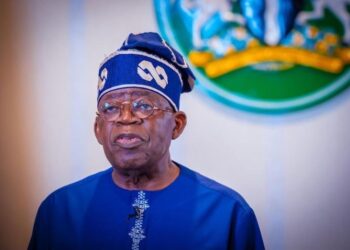
In December, President Bola Ahmed Tinubu pledged a comprehensive overhaul of the nation’s security architecture and significantly increased defence spending in the 2026 budget. Earlier that month, he replaced the defence minister, appointing a former senior military commander to the position.
What you should know
Niger State has increasingly become a hotspot for bandit violence due to its vast forests and proximity to other volatile regions in northern Nigeria.
Armed groups exploit weak security coverage to launch deadly raids, cattle rustling operations and mass kidnappings. Despite repeated military deployments and police operations, communities in Borgu, Agwara and surrounding areas continue to suffer frequent attacks.
The ongoing insecurity has strained Nigeria’s security forces, already battling insurgency in the northeast and other internal conflicts nationwide, while raising fresh concerns about civilian safety, governance capacity and regional stability.