Australia has announced a far-reaching gun buyback programme aimed at reducing firearm availability, as the nation continues to mourn victims of the deadly Bondi Beach shooting.
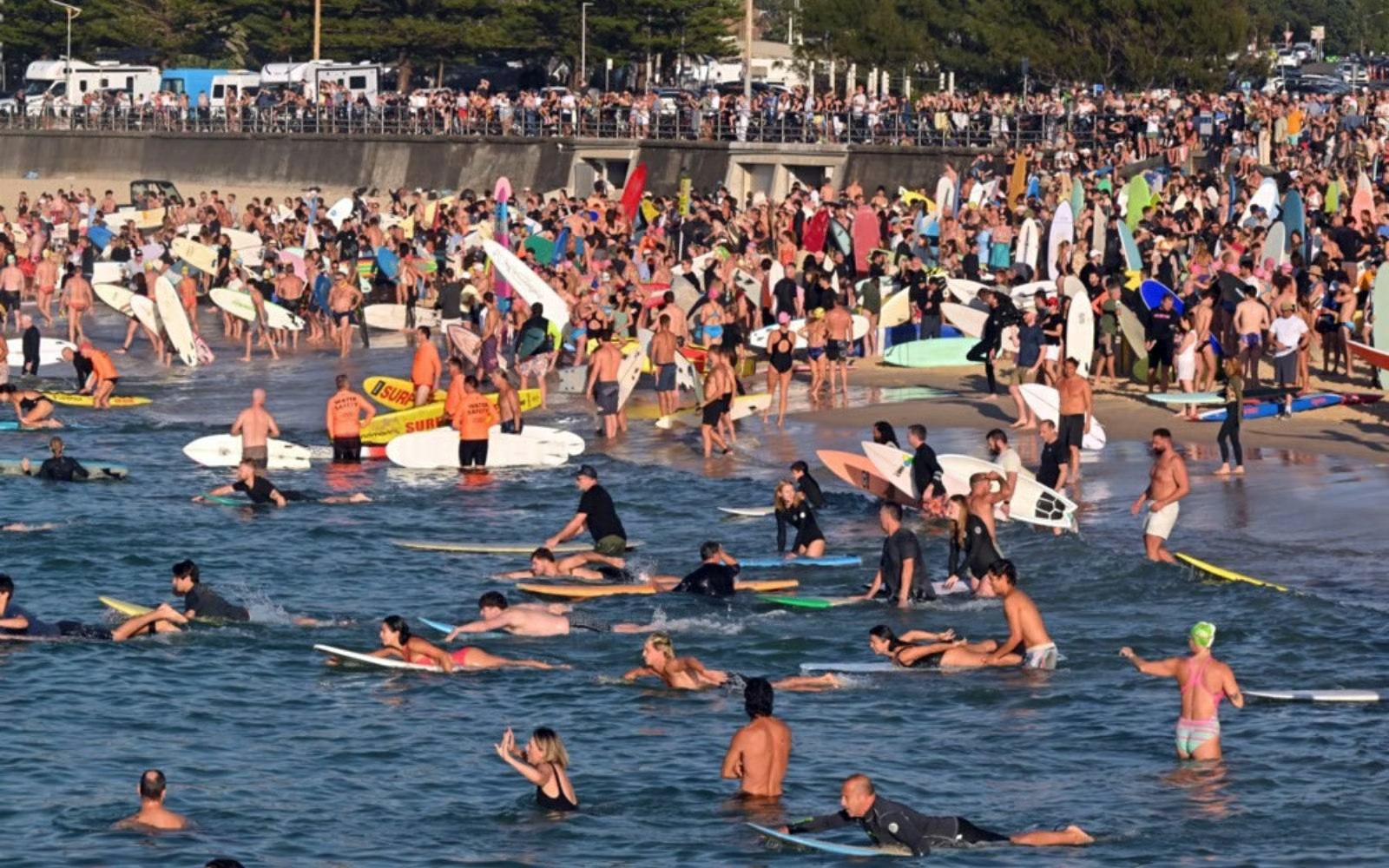
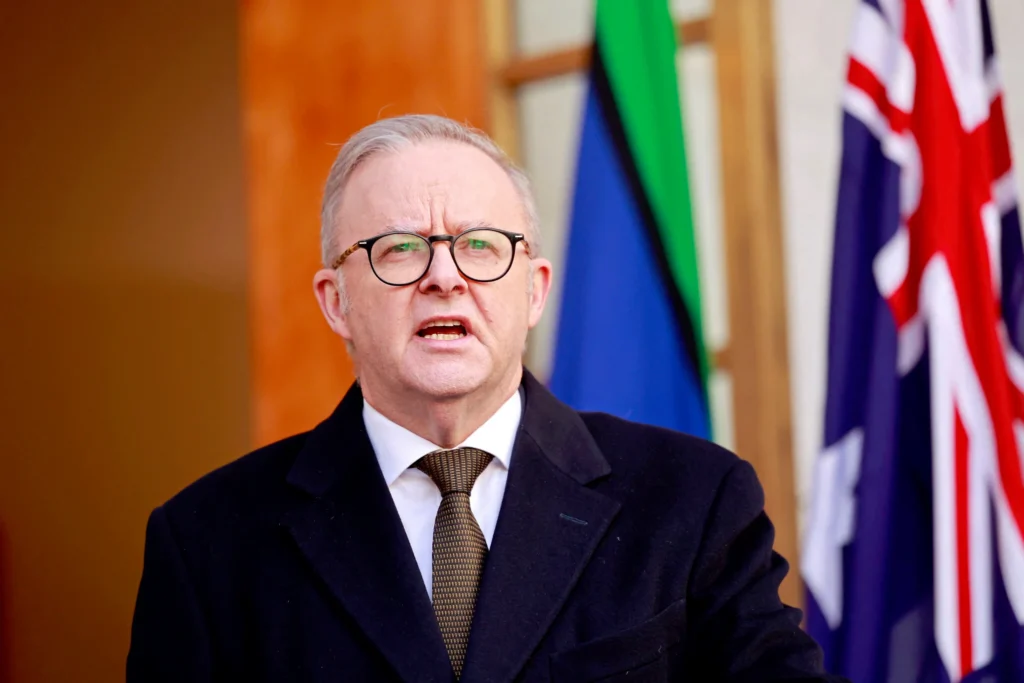
Prime Minister Anthony Albanese said on Friday that the initiative was designed to “get guns off our streets,” as hundreds of people entered the ocean in a symbolic tribute to those killed.
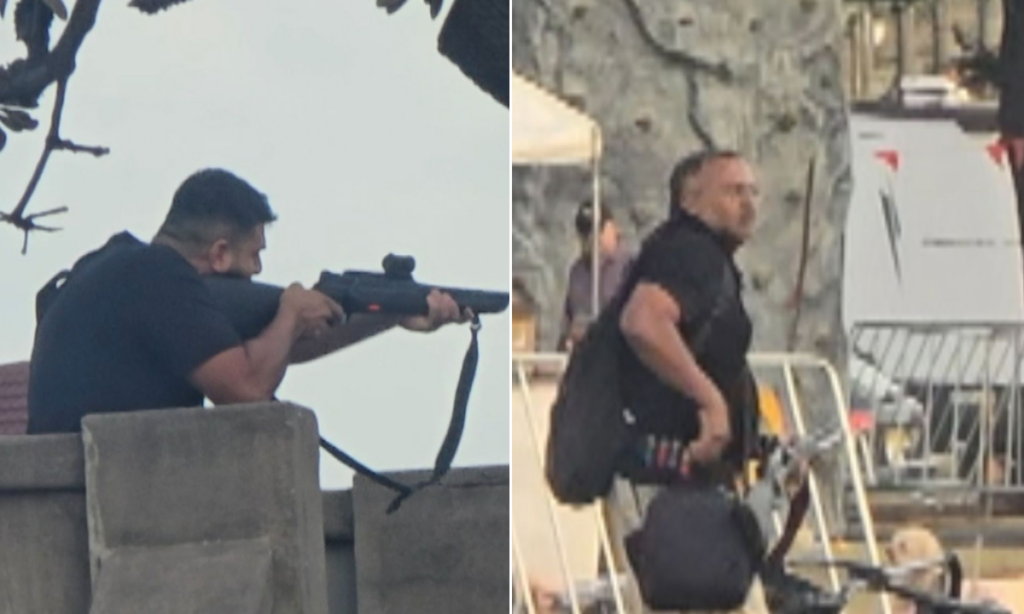
Authorities have accused Sajid Akram and his son, Naveed, of carrying out the attack at a Jewish festival on the popular Sydney beach last Sunday, where 15 people lost their lives in one of the worst mass shootings in Australia’s history. Albanese said the tragedy exposed serious flaws in gun ownership laws that allowed Sajid, aged 50, to legally possess six high-powered rifles.
“There is no reason someone living in the suburbs of Sydney needed this many guns,” the prime minister said, while confirming that the government would compensate gun owners who surrender “surplus, newly banned and illegal firearms”.
He described the plan as the most extensive gun buyback since 1996, when Australia introduced strict firearms controls following the Port Arthur massacre that claimed 35 lives. Albanese also announced a national day of reflection to honour those killed at Bondi, urging citizens to light candles at 6:47 pm on Sunday, December 21, marking exactly one week since the shooting.

Sydney has remained under heightened security in the days following the attack. On Friday, armed police released seven men who had been detained a day earlier after a tip-off suggested they might be planning a “violent act” at Bondi Beach. Police later confirmed there was no proven connection to the Bondi shooting and “no immediate safety risk to the community”.
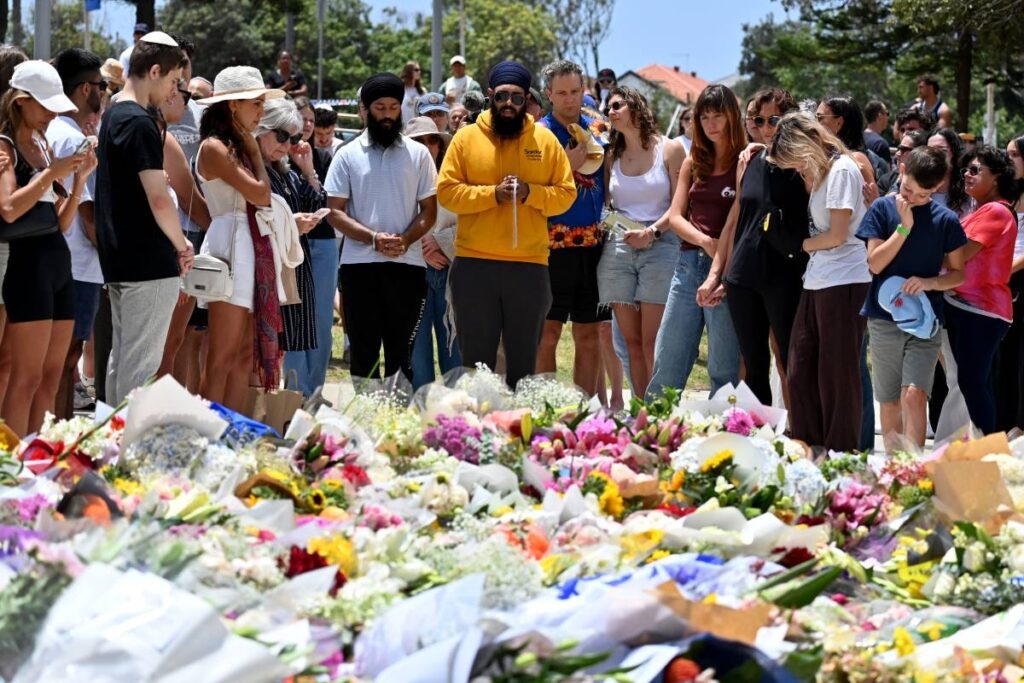
Despite the heavy atmosphere, hundreds of residents returned to the waters off Bondi Beach in a powerful display of solidarity. Swimmers and surfers formed a circle in the sea, splashing water and shouting in a shared emotional release.
“They slaughtered innocent victims, and today I’m swimming out there and being part of my community again to bring back the light,” said security consultant Jason Carr. “We’re still burying bodies. But I just felt it was important.”
Carr added, “I’m not going to let someone so evil, someone so dark, stop me from doing what I do and what I enjoy doing.”
Carole Schlessinger, a children’s charity chief executive, described the gathering as deeply moving. She said there was a “beautiful energy” in being together, even as emotions remained raw. “I personally am feeling very numb. I’m feeling super angry. I’m feeling furious,” she said.
Meanwhile, funeral rites were held for a married couple killed while attempting to stop the attackers. Bondi residents Boris and Sofia Gurman were among the first victims, having tried to wrestle Sajid to the ground.
“The final moments of their lives they faced with courage, selflessness and love,” Rabbi Yehoram Ulman told mourners. “They were, in every sense of the word, heroes.”
Sajid was killed during a gunfight with police, while his 24-year-old son survived. Naveed, an unemployed bricklayer, has been charged with 15 counts of murder, terrorism-related offences, and numerous other serious crimes. Investigators believe the pair may have been influenced by the Islamic State group and are examining whether they had contact with Islamist extremists during a recent trip to the Philippines.
What you should know
Australia is responding to the Bondi Beach massacre with its largest gun buyback in decades, reflecting a renewed commitment to strict firearms control.
The move follows public outrage over how a civilian was able to legally own multiple high-powered weapons. Beyond legislation, the country is also focusing on collective healing, with national tributes and community-led memorials highlighting resilience and unity.
The case has raised concerns about extremism, gun access, and public safety, prompting intensified security measures and ongoing investigations into possible international links.