Australia’s political leaders on Monday reached a consensus to pursue stricter gun control measures following the country’s deadliest mass shooting in nearly 30 years, after a father and son carried out a deadly attack on a Jewish festival at Bondi Beach, leaving 15 people dead, including a child.
The attackers opened fire on Sunday evening as crowds gathered at the popular Sydney beach to celebrate the start of Hanukkah, triggering scenes of chaos as people ran for safety across the busy tourist area.
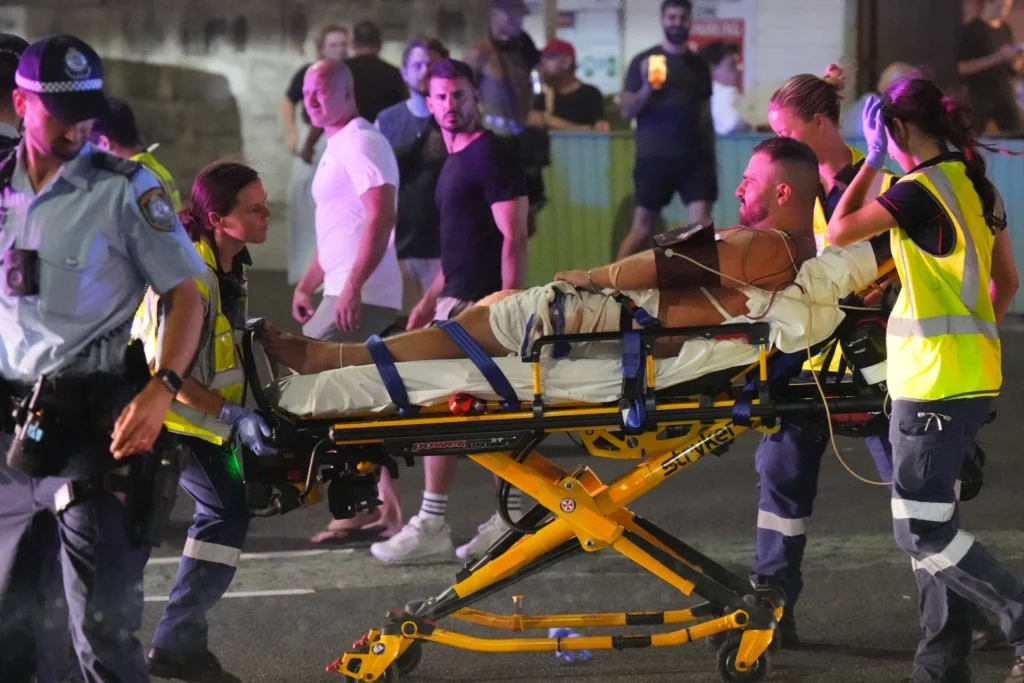
Among those killed were a 10-year-old girl, a Holocaust survivor and a well-known local rabbi, while at least 42 others sustained gunshot wounds or related injuries and were rushed to hospitals.
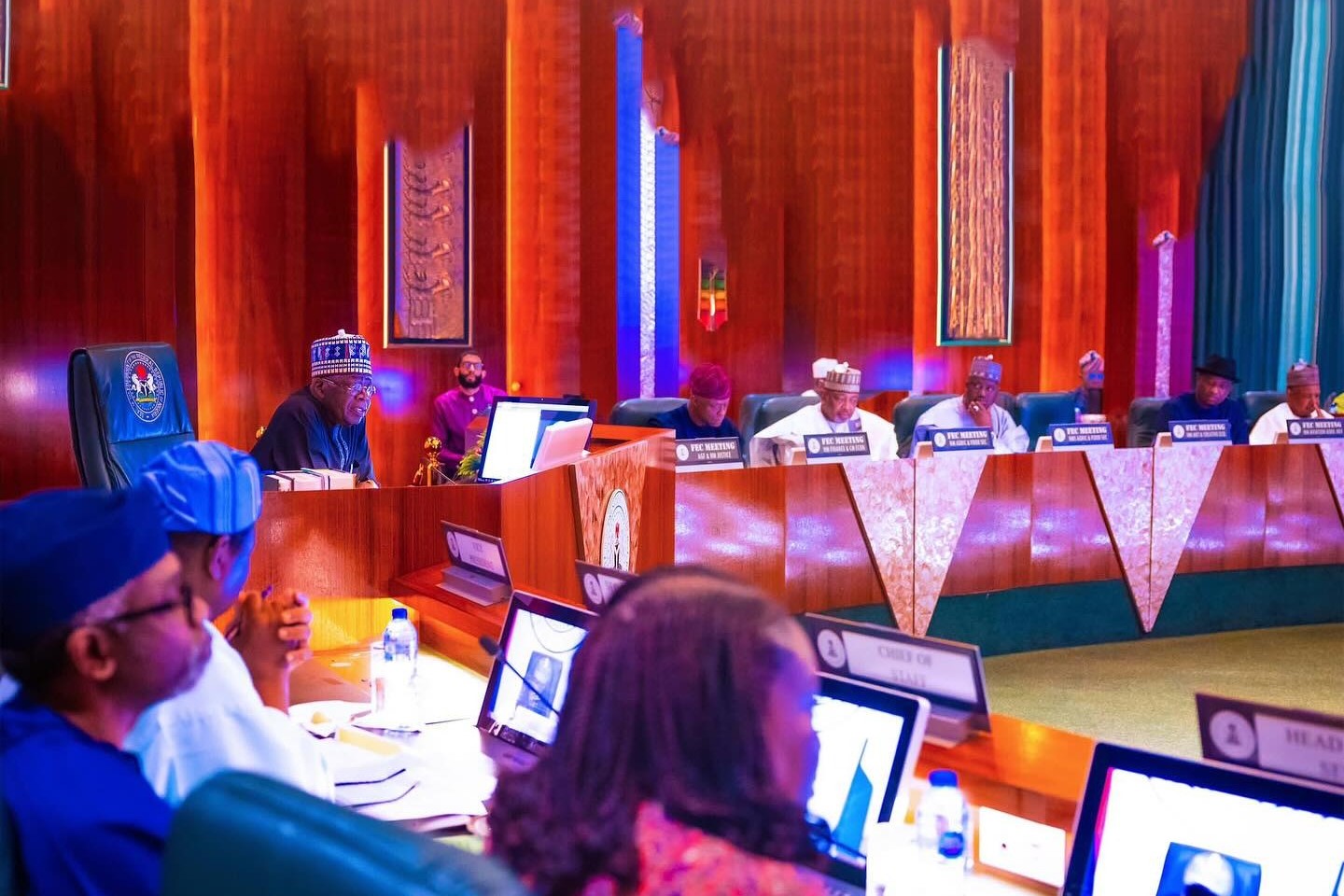
In response to the violence, Prime Minister Anthony Albanese convened an emergency meeting with leaders of Australia’s states and territories, where they jointly agreed “to strengthen gun laws across the nation.” According to Albanese’s office, discussions focused on tightening background checks for firearm ownership, preventing non-citizens from accessing gun licences and further restricting the categories of weapons that can be legally owned.
Australia has largely avoided mass shootings since 1996, when a lone gunman killed 35 people in Port Arthur, Tasmania. That tragedy led to sweeping firearm reforms widely regarded as a global benchmark, including a national gun buyback programme, the creation of a firearms registry and strict limits on semi-automatic weapons. However, Sunday’s attack has raised renewed questions about how the two suspects, reportedly with possible links to the Islamic State group according to public broadcaster ABC, were able to obtain their weapons.
Police have continued to investigate the motives behind the shooting, but authorities have repeatedly said the attack was clearly intended to terrorise Australia’s Jewish community. Albanese described it as “an act of pure evil, an act of antisemitism, an act of terrorism on our shores.”
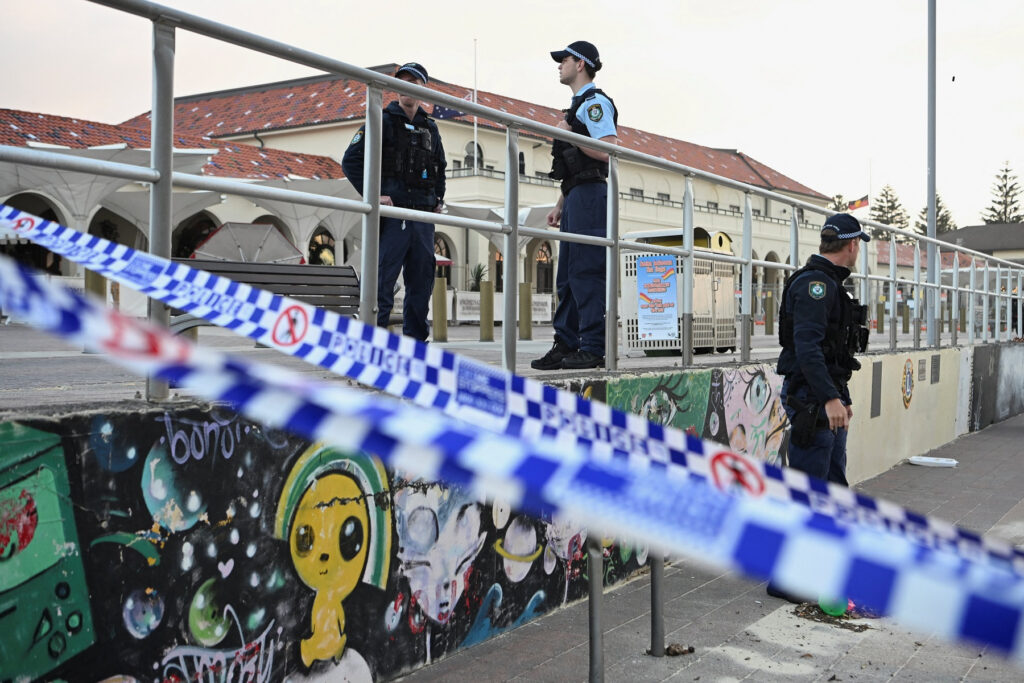
The gunmen targeted an annual event that attracted more than 1,000 people to Bondi Beach. From a raised boardwalk overlooking the shoreline, they fired for about 10 minutes into a crowd of beachgoers enjoying a hot summer evening. Witnesses said the first shots were initially mistaken for fireworks. “We thought it was fireworks,” said Beatrice, who was celebrating her birthday moments before the shooting began. “We’re just feeling lucky we’re all safe.”
Police eventually shot and killed the 50-year-old father, while his 24-year-old son was arrested and taken to hospital under guard with serious injuries. Hours later, officers discovered a homemade bomb in a nearby parked car, describing the “improvised explosive device” as likely planted by the attackers.
Acts of courage also emerged amid the violence. Video footage showed a man identified by local media as fruit seller Ahmed al Ahmed confronting one of the gunmen, wrestling the weapon from his hands and forcing him to retreat. Off-duty lifeguards ran through gunfire to evacuate children from a playground and provide emergency aid, while wounded victims were carried across the sand on surfboards used as makeshift stretchers.
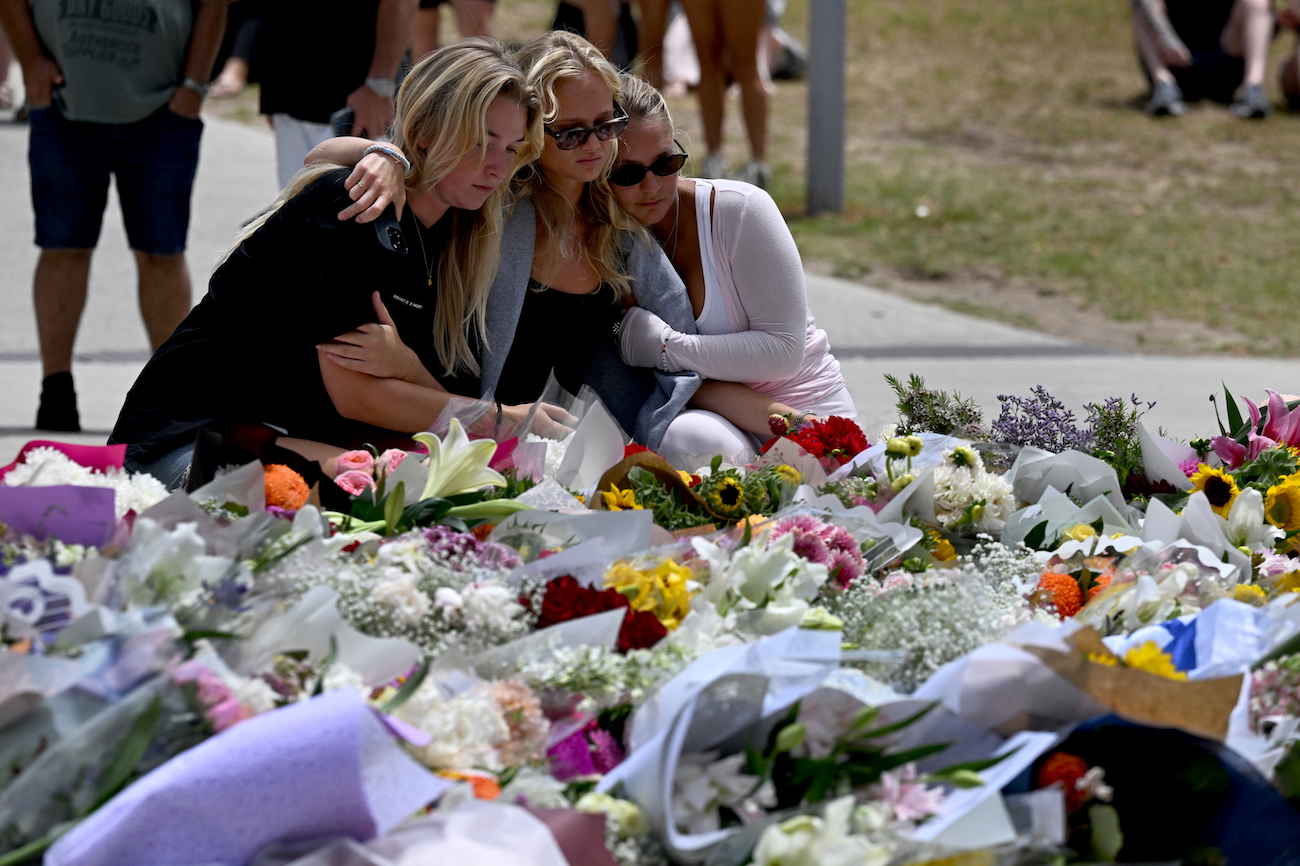
In the aftermath, Bondi Beach bore visible signs of panic and flight, with abandoned personal belongings scattered across nearby grassy areas. By Monday evening, crowds gathered again at the beach to mourn, sing and pay tribute, as flags were lowered to half-mast nationwide.
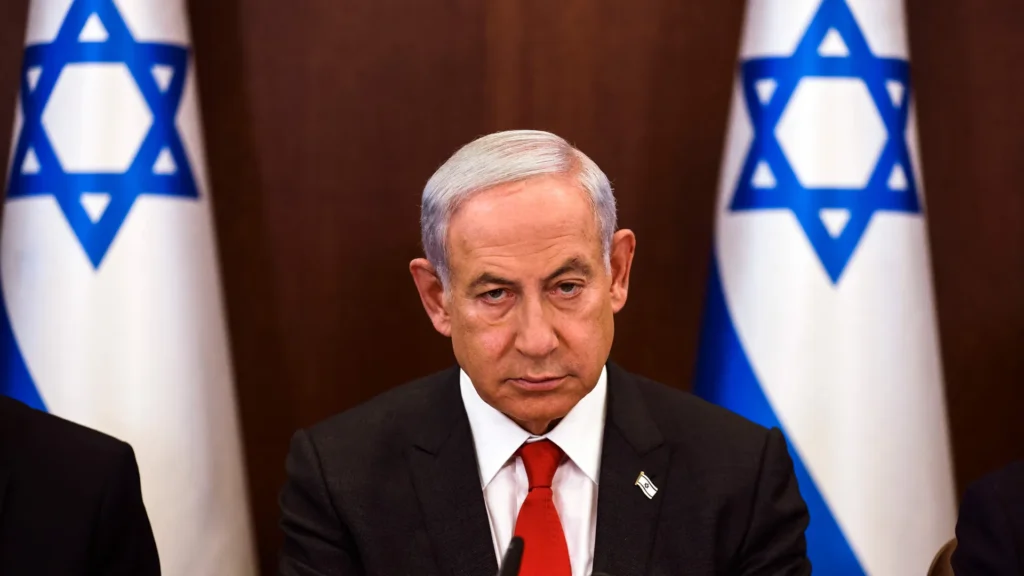
The attack occurred against a backdrop of rising antisemitic incidents in Australia following the October 7, 2023, Hamas attack on Israel and the subsequent war in Gaza. Israeli Prime Minister Benjamin Netanyahu accused the Australian government of “pouring oil on the fire of antisemitism,” while global leaders, including United States President Donald Trump, condemned the shooting as a “purely antisemitic attack.”
Australian authorities have previously accused Iran of directing recent antisemitic acts, including arson attacks on Jewish sites in Sydney and Melbourne, allegations Tehran has denied.
What you should know
The Bondi Beach shooting marks one of Australia’s most significant security crises in decades, challenging long-standing confidence in the country’s strict gun laws.
While Australia is internationally praised for reducing gun violence after the 1996 Port Arthur massacre, the latest attack highlights potential gaps in firearm licensing, monitoring and enforcement. Authorities view the incident as a targeted antisemitic act, occurring amid heightened global tensions linked to the Israel-Gaza conflict.
The government’s move to strengthen gun laws reflects both domestic outrage and international concern, as officials seek to prevent copycat attacks, reassure vulnerable communities and restore public confidence in national security measures.