Former Vice President Atiku Abubakar has condemned President Bola Tinubu’s visit to Plateau State, describing it as insensitive amid ongoing insecurity in the region.
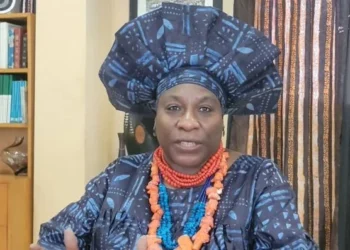
President Tinubu was in Jos on Saturday to attend the burial of Lydia Yilwatda, mother of the All Progressives Congress (APC) National Chairman, Professor Nentawe Yilwatda. However, Atiku criticized the President for neglecting victims of violence across the country while choosing to attend what he called a “political funeral.”
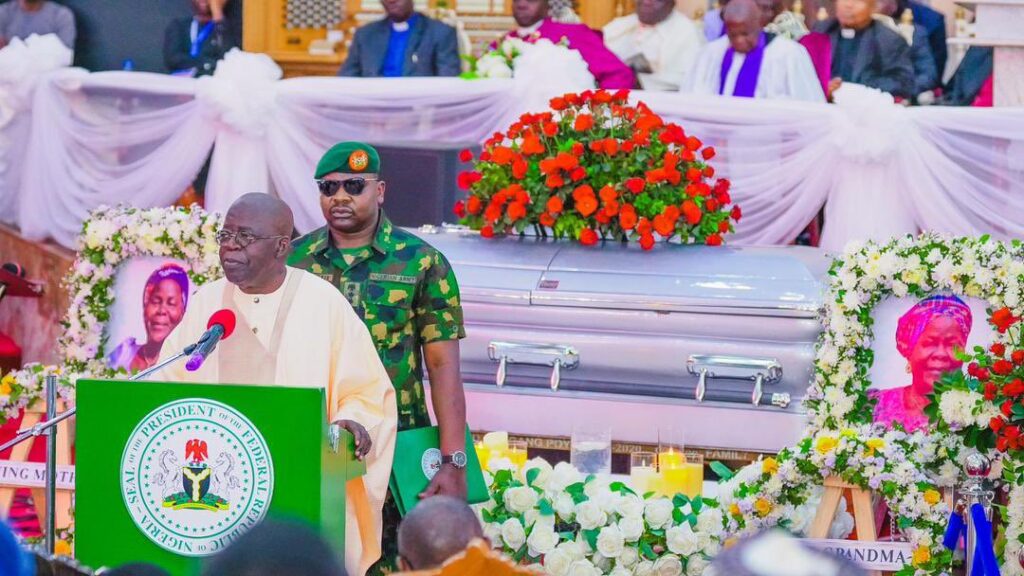
“With large swathes of the country still under siege from unrelenting insecurity and thousands of innocent lives lost, it is deeply unfortunate that President Bola Tinubu has not, for once, found it worthy to visit any of the affected states to commiserate with the grieving citizens,” Atiku said in a post on X.
He added that Tinubu’s visit to Plateau State, “one of the most terrorized parts of the North Central,” was not to sympathize with victims but to attend a social event hosted by his party’s national chairman.
Atiku described the President’s action as “a sad reflection of priorities and a glaring mockery of leadership,” accusing him of showing “a heartless exhibition of disregard for empathy, compassion, and the dignity of human life.”

He cited instances of violence in Benue, Niger, and Kwara States, lamenting that the APC-led government has never physically visited or consoled victims’ families.
“Now again, he is in Plateau State, not to console the bereaved or reassure the broken, but to celebrate and make merry with his party elite while the people mourn,” Atiku said.
“The message could not be clearer: this is a President who would rather feast than feel—a leader who finds pleasure where the people find pain. The Nigerian people are watching, and they will remember.”
What you should know
Atiku Abubakar, Nigeria’s former Vice President and a prominent opposition figure, has often criticized President Bola Tinubu’s leadership style.
His latest remarks reflect growing concerns over the government’s response to insecurity, especially in the North Central region, where several communities continue to suffer frequent attacks.