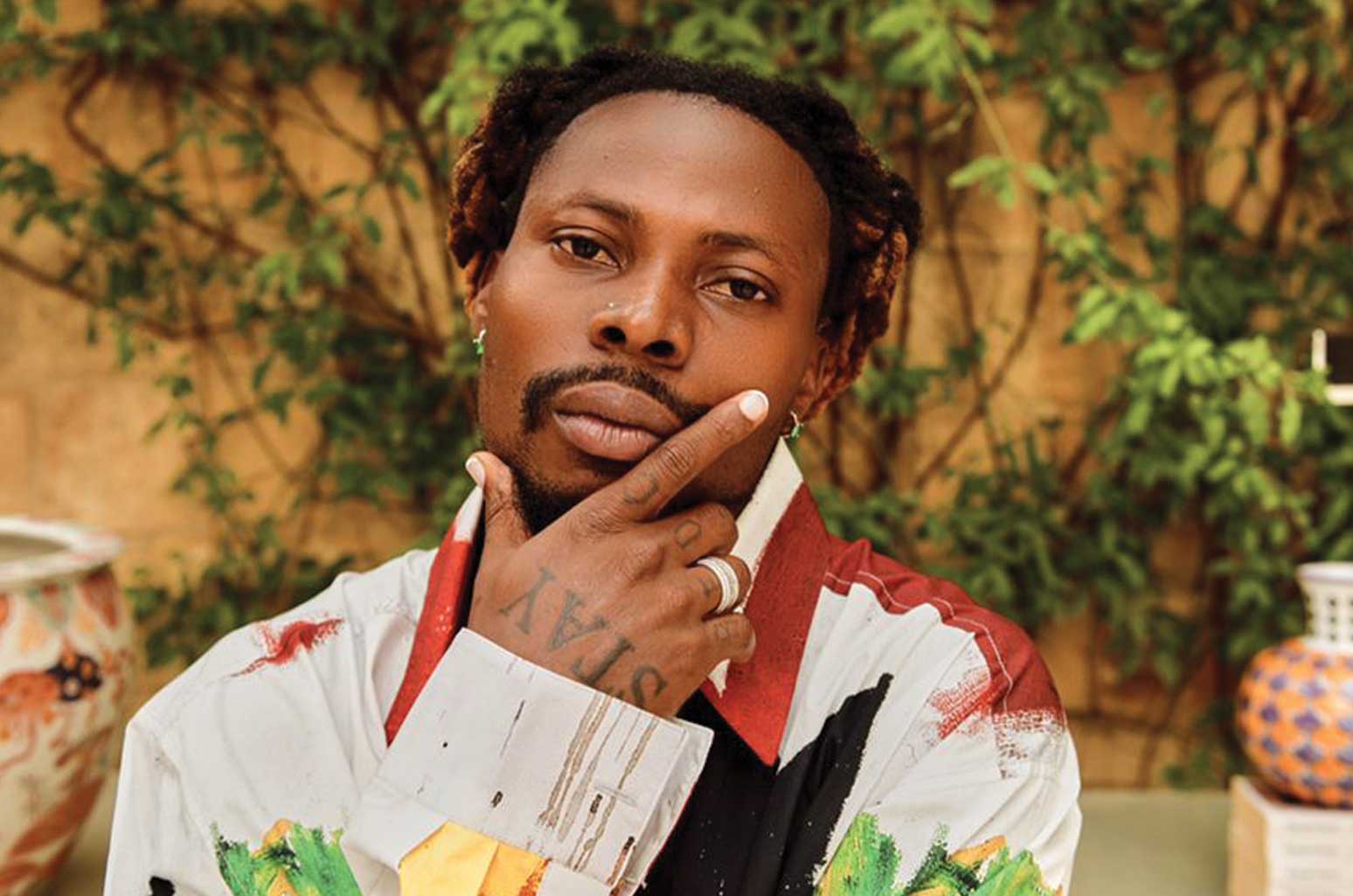
A prominent entertainment lawyer has provided new insight into the highly publicized separation between Afrobeats star Asake and rapper Olamide’s YBNL Nation label, revealing that contractual disputes over artist rights were at the heart of the split.
Yemisi Falaye, who served as Asake’s legal advisor during the initial contract negotiations, disclosed that the “Sungba” hitmaker’s departure stemmed from feelings of being “cheated” by the terms of an agreement he had been warned against signing.
The revelation sheds light on the circumstances surrounding one of the Nigerian music industry’s most talked-about label exits. Reports first surfaced in December 2024 that Asake, born Ahmed Ololade, had parted ways with YBNL Nation under a termination agreement. The separation was effectively confirmed in February 2025 when the artist launched his imprint, Giran Republic.
According to Falaye, the seeds of the eventual fallout were planted at the very beginning of Asake’s relationship with YBNL. She recounted how the singer, desperate for his breakthrough after years in the industry, rushed to sign Olamide’s contract despite receiving explicit legal advice to reject it.
“I remember when Olamide was going to sign Asake. He was so overwhelmed,” Falaye explained, describing how the artist’s eagerness to secure a deal clouded his judgment. Despite Olamide’s recommendation that Asake have the contract reviewed by legal counsel, the singer ultimately chose to bypass professional advice.
The lawyer revealed that she had specifically warned Asake about problematic clauses that would see him “assign his rights in perpetuity”—essentially signing away long-term control over his creative output. When she advised against signing, Asake reportedly responded with hostility, questioning her motives and suggesting she was attempting to sabotage his career prospects.
“He looked at me and said, ‘Are you kidding me?’ You said what? Did they send you? You want to pour sand in my garri,'” Falaye recalled, using the Nigerian expression for deliberately undermining someone’s success.
The contract dispute appears to have created lasting tensions that ultimately proved insurmountable. Falaye suggested that Asake’s subsequent success under YBNL—including hit singles like “Sungba” and “Palazzo”—was not enough to overcome his dissatisfaction with the original agreement’s terms.
“If it did [work for him], he would have renewed the agreement or at least been open to reviewing the terms. But he was so hurt, he felt cheated,” she explained.
The case highlights broader issues within the Nigerian music industry regarding artist contracts and the balance of power between labels and performers. While YBNL Nation provided the platform for Asake’s commercial breakthrough, the underlying contractual framework appears to have created conditions for eventual discord.
The split appears to have been handled amicably, with both parties maintaining professional relationships. As recently as this year, Asake was featured on Olamide’s star-studded track “99” alongside other prominent artists, suggesting that personal relationships have survived the business separation.
Asake’s transition to independence through the Giran Republic represents a growing trend among successful Nigerian artists seeking greater control over their creative and commercial destinies. His case serves as a cautionary tale about the importance of thorough legal review in music industry contracts, particularly for emerging artists eager to secure their first major deal.
Neither Asake nor representatives from YBNL Nation have publicly responded to Falaye’s detailed account of the contract negotiations and subsequent separation.
WHAT YOU SHOULD KNOW
Asake left Olamide’s YBNL Nation because he felt “cheated” by a contract he signed despite explicit legal warnings. His entertainment lawyer, Yemisi Falaye, revealed that Asake ignored her advice not to sign an agreement that would give away his rights “in perpetuity.” Desperate for his breakthrough after years of struggling, Asake rushed to sign the deal and even insulted his lawyer when she tried to stop him. The contractual dissatisfaction ultimately led to his exit and the launch of his label, Giran Republic, in February 2025.