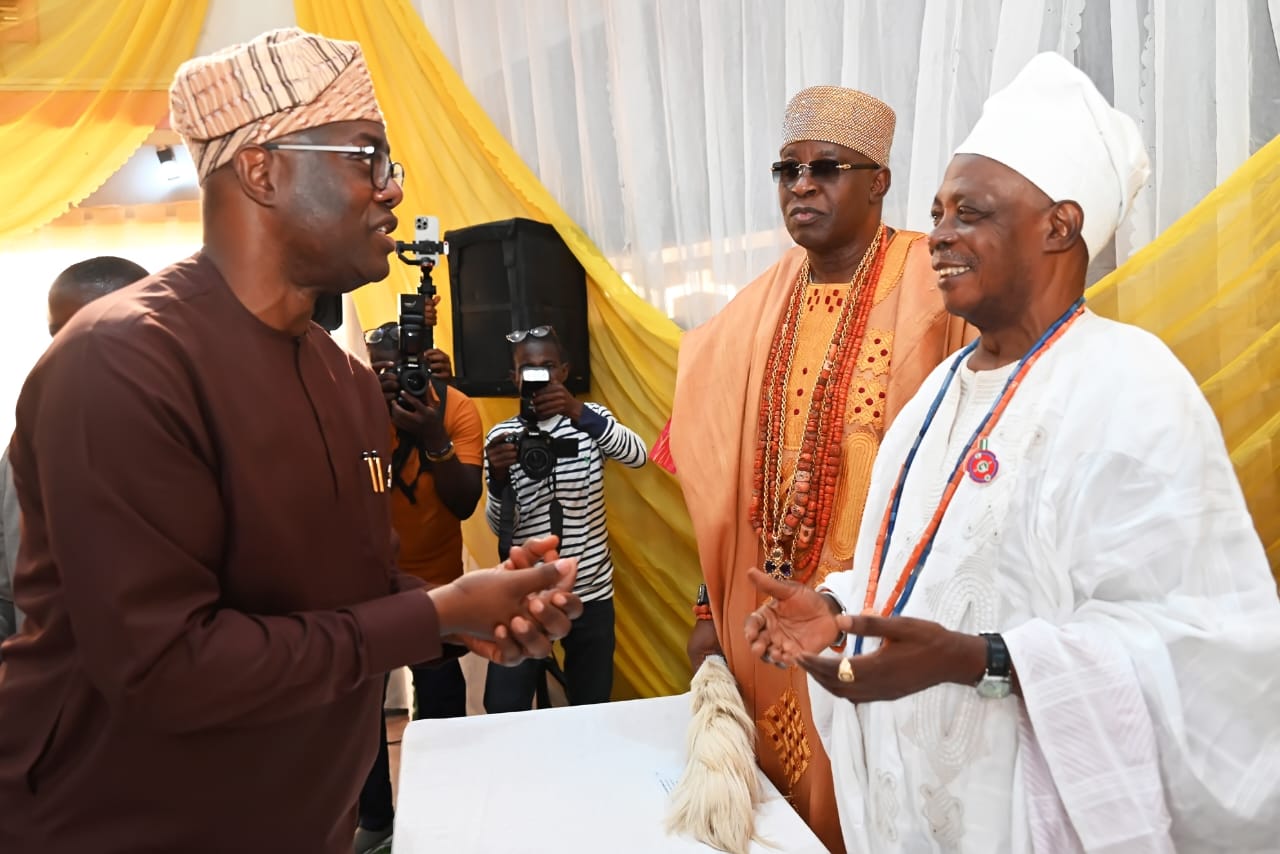
Oyo State Governor, Seyi Makinde, on Thursday formally inaugurated a new Oyo State Council of Obas and Chiefs in Ibadan, ushering in a rotational leadership structure among the state’s foremost traditional rulers.
The ceremony, held at the House of Chiefs Hall within the State Secretariat, marked a significant revival of the council after years of inactivity.
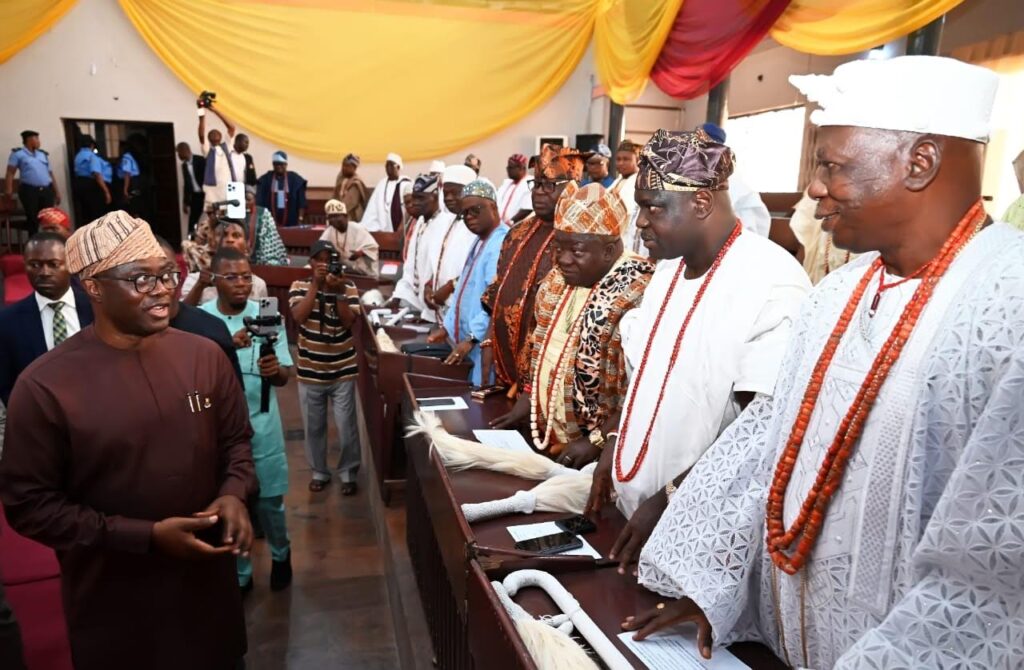
At the event, the Olubadan of Ibadanland, Oba Rashidi Ladoja, Arusa I, was announced as the inaugural chairman of the council, a position he will hold for a two-year term. Notably absent from the inauguration was the Alaafin of Oyo, Oba Akeem Owoade, one of the most prominent monarchs in the state.
The inauguration followed the passage of the Oyo State Council of Obas and Chiefs (Further Amendments) Bill, 2025, by the Oyo State House of Assembly. The amendment was designed to strengthen traditional institutions and provide a clear framework for leadership and coordination among royal fathers across the state.
Speaking at the event, Governor Makinde explained that the chairmanship of the council would rotate every two years among three traditional rulers: the Olubadan of Ibadanland, the Alaafin of Oyo, and the Soun of Ogbomosoland. According to him, the arrangement was carefully considered to foster unity, cooperation and inclusiveness within the traditional institution.
He said, “I called the monarchs that we proposed in the law that the chairmanship of the Council of Obas will rotate, and I believe from the law it’s every two years that it will rotate. This is what we are known for. But when we sit down, if we don’t resolve issues and do what is right and proper for our people, then we have failed.”
Makinde further explained that consultations were held with the three royal fathers before the decision was finalized, adding that there was consensus for the rotation to commence with the Olubadan of Ibadanland.
“So, I consulted my three fathers—the Alaafin of Oyo, the Olubadan of Ibadanland, and the Soun of Ogbomosoland—and the agreement is that they will start the rotation with Kabiyesi, the Olubadan of Ibadan,” he said.
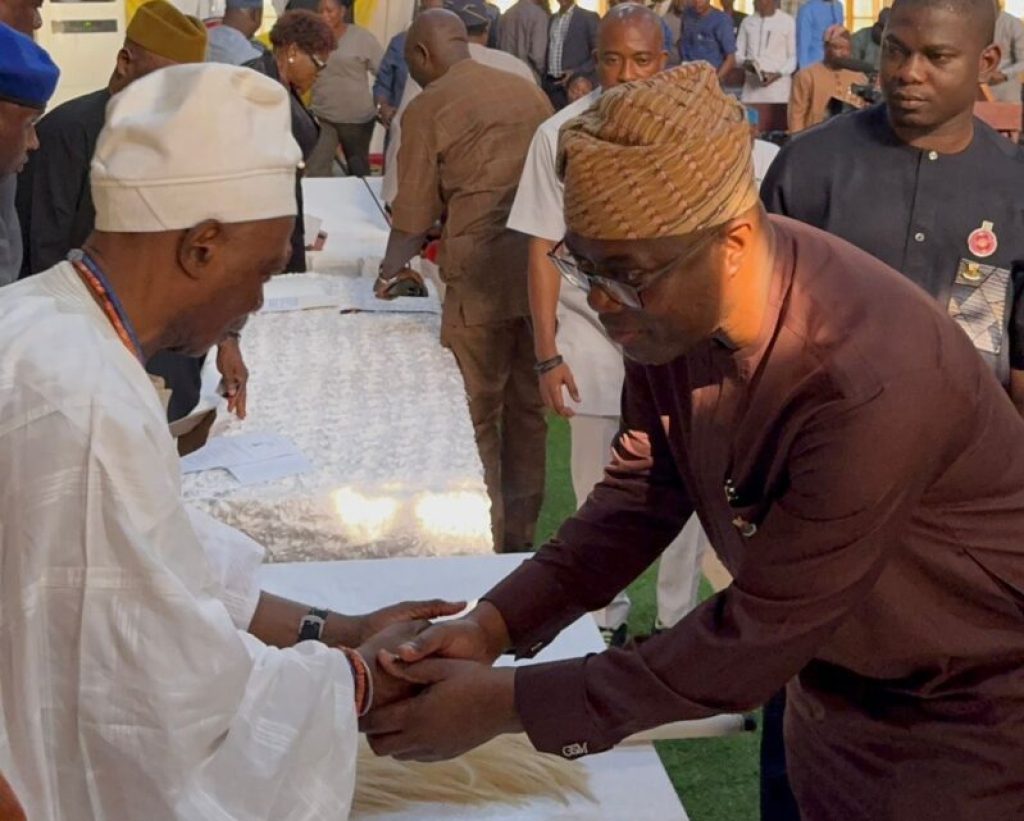
Declaring the council inaugurated, the governor reflected on the long absence of a functional Council of Obas and Chiefs in the state, noting that the council last met in such a formal capacity in 2011. He described the lack of a standing council for over a decade as a setback for a state that prides itself on leadership and tradition.
Makinde also emphasized that his administration deliberately avoided exploiting divisions within the traditional institution, even though such an approach might have been politically easier. Instead, he said the government chose dialogue and consultation, acknowledging that many of the administration’s achievements were linked to the guidance and insights provided by traditional rulers at the community level.
He lamented the deterioration of the House of Chiefs facilities, pointing out that the absence of a functioning council meant there was no central authority to engage the state government on issues affecting traditional institutions. According to him, the newly inaugurated council would now provide that structure, allowing the state to play a more active and coordinated role in supporting royal fathers.
Makinde disclosed that the amended law establishing the rotational arrangement was signed on August 14, 2025, describing it as a crucial step toward restoring dignity, relevance and effectiveness to the traditional institution in Oyo State.
In his remarks, the newly appointed chairman, Oba Rashidi Ladoja, urged residents of the state to place confidence in the council, stressing that the inauguration marked the beginning of work rather than an achievement in itself.
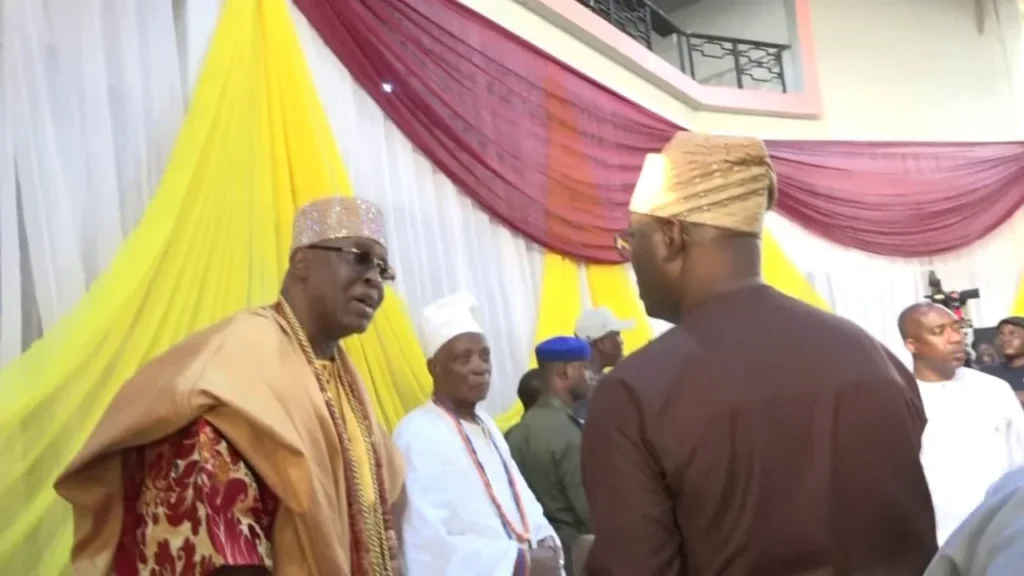
“The primary responsibility of the council is to ensure peace and safety across their domains while contributing to the continued progress of the state,” he said.
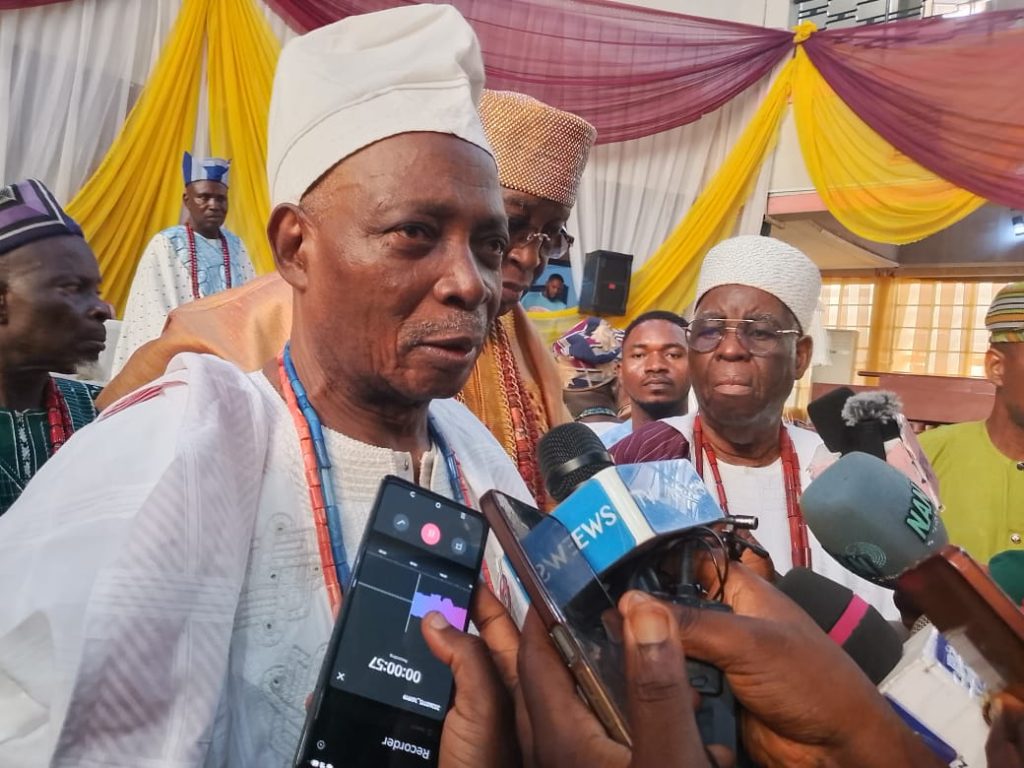
The Olubadan noted that public trust in the council would deepen after its first meeting, as people would come to see that members were united by a common purpose rather than rivalry or personal ambition. He assured that the council’s focus would remain on peace, security and development across the state.
“We appreciate the goodwill and congratulations we have received. This inauguration is not an achievement in itself; it marks the beginning of serious work. After our first meeting, people will begin to have confidence in us, because they will see that we are not in competition with one another. We are not here to fight or to pursue personal interests, so there is nothing to fear,” Ladoja said.
“Our sole concern is to ensure that our domains remain safe and peaceful, and that the state continues on the path of progress. We want the state to be a good place for everyone. That is the purpose of this council. This is not about any individual; it is about bringing people together and working collectively for the common good,” he added.
Earlier, the Commissioner for Local Government and Chieftaincy Matters, Ademola Ojo, described traditional rulers as custodians of culture, peace and moral authority, noting that they have consistently supported government efforts in promoting unity and grassroots development across Oyo State.
“As we formally inaugurate this council, it’s my earnest hope that it will remain a beacon of harmony, a forum for constructive dialogue, and a strong partner in our shared quest for peace, security and socio-economic advancement,” Ojo said.
Under the amended law, the leadership of the Oyo State Council of Obas and Chiefs will rotate every two years among the Alaafin of Oyo, the Olubadan of Ibadanland and the Soun of Ogbomosoland, signaling a new chapter in the coordination of traditional institutions in the state.
What you should know
The Oyo State Council of Obas and Chiefs is a statutory body designed to coordinate traditional rulers and strengthen their role in governance, peacebuilding and community development.
The council had been largely inactive since 2011, operating only through ad hoc arrangements. The 2025 amendment introduced a rotational chairmanship to promote balance and unity among leading monarchs.
Its revival is expected to enhance collaboration between the state government and traditional institutions across Oyo State.