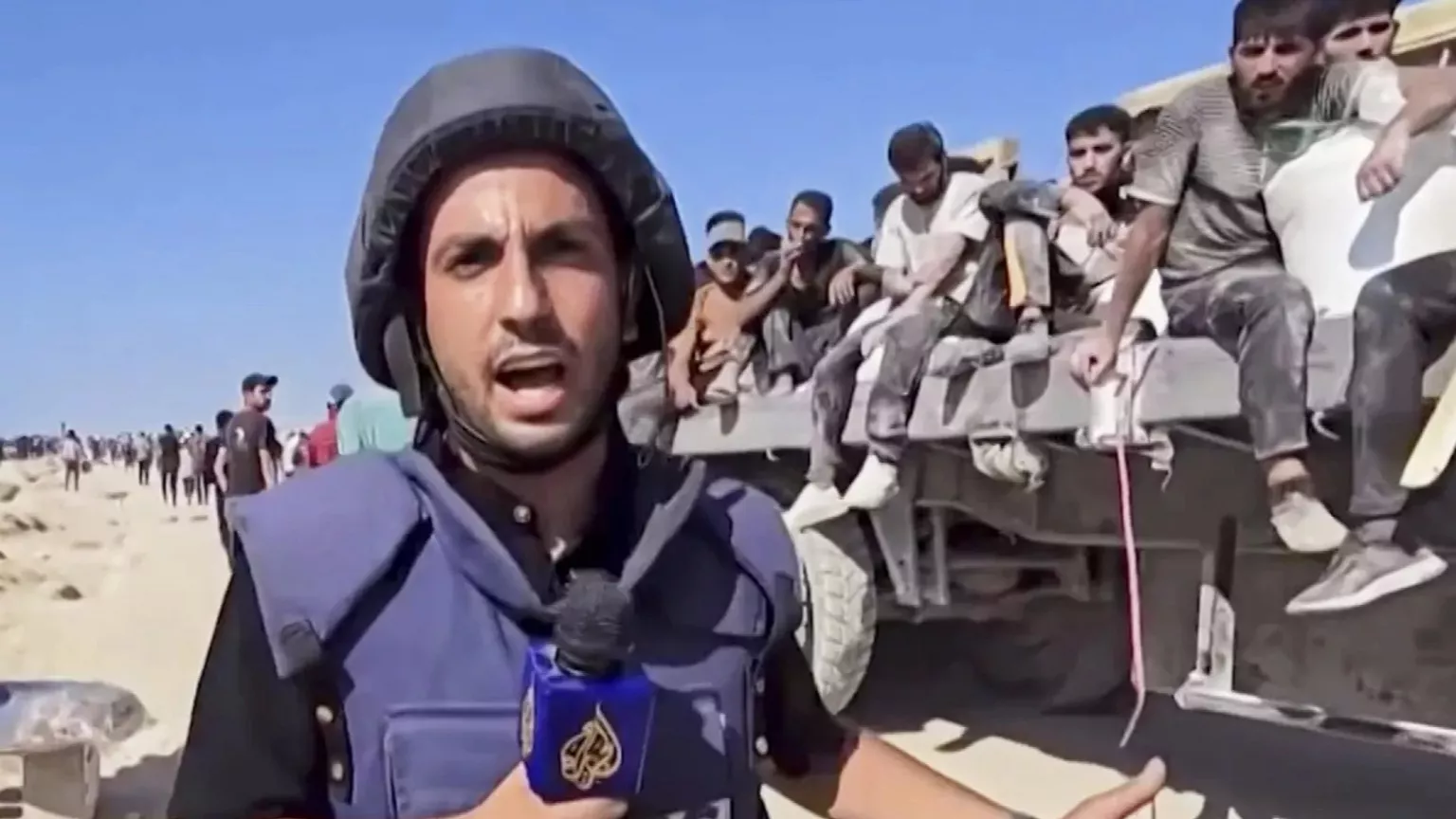
Al Jazeera announced on Sunday that two of its correspondents, including prominent reporter Anas al-Sharif, along with three cameramen, were killed in what it described as a targeted Israeli strike on a tent housing journalists in Gaza City.
The attack, which occurred outside the main gate of a hospital, has intensified concerns over the safety of media workers in the ongoing Gaza conflict, now in its 22nd month.
According to the Qatar-based broadcaster, al-Sharif, 28, was a well-known Arabic-language correspondent who had reported extensively from northern Gaza. His colleagues killed in the strike were identified as Mohammed Qreiqeh and cameramen Ibrahim Zaher, Mohammed Noufal, and Moamen Aliwa. Al Jazeera said all five were inside the tent when it was hit.
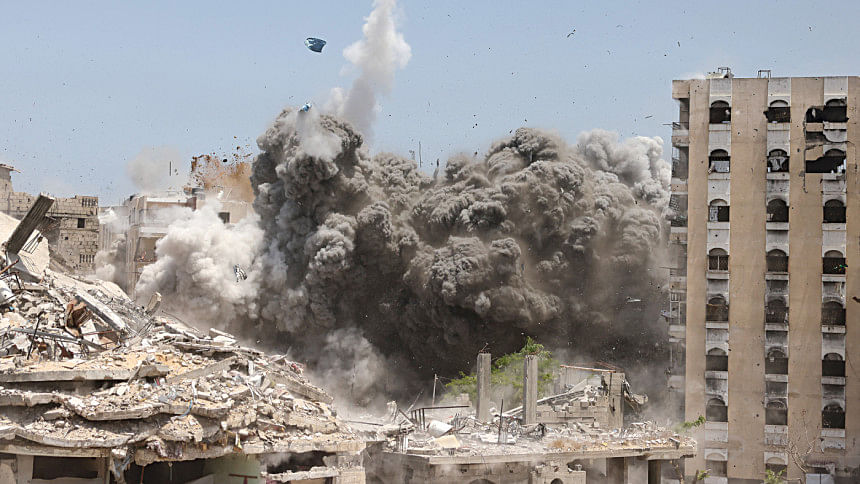
The Israeli military acknowledged carrying out the strike, claiming al-Sharif was not merely a journalist but a Hamas “terrorist” leading a militant cell responsible for rocket attacks against Israeli civilians and troops. “A short while ago, in Gaza City, the IDF struck the terrorist Anas al-Sharif, who posed as a journalist for the Al Jazeera network,” the army said on Telegram, insisting he was a senior Hamas operative.
Al-Sharif, widely recognised for his frontline coverage, had continued reporting until shortly before his death. On Sunday, after Prime Minister Benjamin Netanyahu defended launching a new offensive in Gaza, al-Sharif posted online about “intense, concentrated Israeli bombardment” on Gaza City, sharing a short video of nearby strikes in what became one of his final messages.
The Committee to Protect Journalists (CPJ) condemned the killing, accusing Israel of routinely labelling journalists as militants without presenting credible proof. “Journalists are civilians and must never be targeted. Those responsible for these killings must be held accountable,” said CPJ Regional Director Sara Qudah. The Palestinian Journalists’ Syndicate denounced the incident as a “bloody crime” of assassination.
Tensions between Israel and Al Jazeera have persisted for years, with Israeli authorities banning the network domestically and raiding its offices since the outbreak of the current war. Qatar, which partially funds Al Jazeera, has hosted the Hamas political bureau and served as a venue for indirect Israel-Hamas negotiations.
The conflict has left Gaza almost entirely sealed off, forcing international media outlets, including AFP, to rely heavily on Palestinian journalists for coverage. Reporters Without Borders stated in July that over 200 journalists have been killed since the fighting began, several of them from Al Jazeera.
The deaths come amid heightened military activity, with Netanyahu announcing expanded ground operations aimed at eliminating remaining Hamas strongholds. He also pledged to allow more foreign journalists into Gaza under military supervision, even as UN officials warned of severe humanitarian consequences.
Miroslav Jenca, UN Assistant Secretary General, cautioned the Security Council that Israel’s plan to consolidate control over Gaza City could spark “another calamity” with regional repercussions, potentially worsening displacement, casualties, and destruction.
What You Should Know
Al Jazeera correspondent Anas al-Sharif and four colleagues were killed in Gaza City in what Israel called a strike on a Hamas militant, a claim rejected by media watchdogs.
The incident underscores growing dangers for journalists in Gaza, where more than 200 have died since the war began, and comes as Israel prepares an expanded offensive amid worsening humanitarian conditions.