Summary
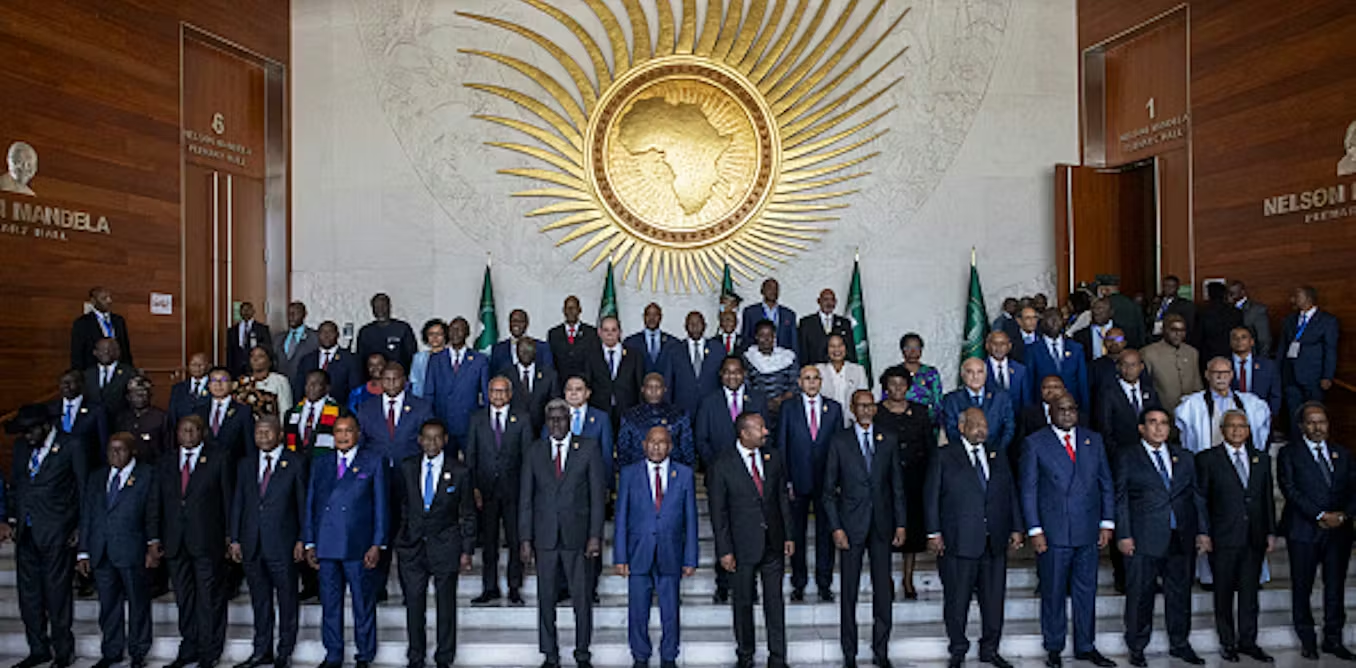
The African Union (AU) has taken decisive action by suspending Guinea-Bissau in response to the military coup that toppled President Umaro Embalo, deepening the country’s political isolation amid mounting regional and international condemnation.
AU chairman Mahamoud Youssouf confirmed the move on Friday, stating that the organisation had resolved “to suspend Guinea-Bissau from its bodies with immediate effect.”
The AU’s position aligns with an earlier decision by the Economic Community of West African States (ECOWAS), which also suspended the nation from its decision-making bodies following an emergency meeting late Thursday.
According to ECOWAS’ Mediation and Security Council (MSC), the decision was grounded in the rules guiding democratic governance in the bloc. “The MSC decides, in accordance with the provisions of the ECOWAS Protocol on Democracy and Good Governance 2001 (A/SP/12/01), to suspend Guinea-Bissau from all ECOWAS decision-making bodies until the restoration of full and effective constitutional order in the country,” the statement said. The virtual session was chaired by Julius Maada Bio, the President of Sierra Leone and head of the ECOWAS Authority of Heads of State and Government.
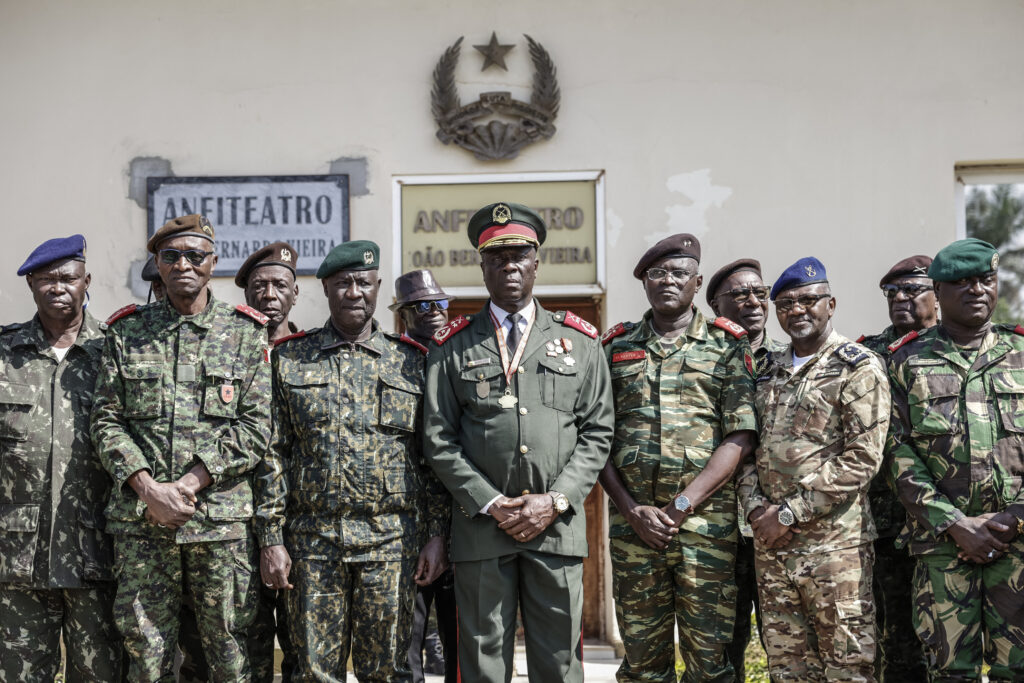
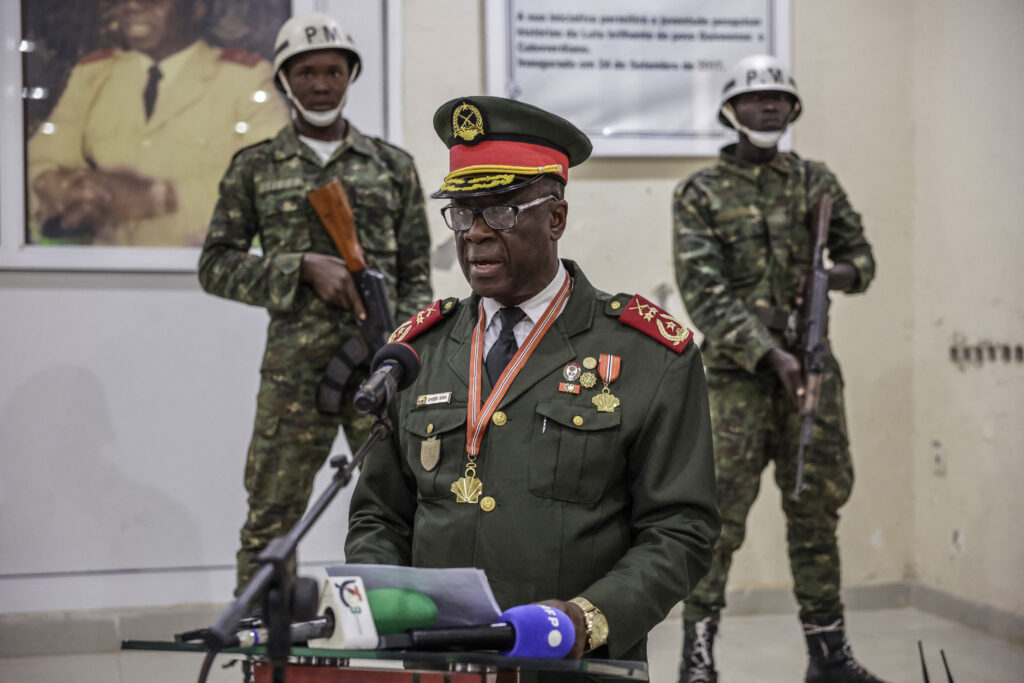
The crisis erupted on Wednesday when military officers seized power just three days after Guinea-Bissau’s disputed presidential and legislative elections. The junta halted the entire electoral process, closed national borders, and blocked the release of election results. They then appointed the army’s chief of staff, General Horta N’Tam, as the transitional leader for a one-year period.
President Embalo, initially detained by soldiers, later fled to Senegal on Thursday. Meanwhile, opposition candidate Fernando Dias—who claims victory in the disputed election—told AFP that he remained “safe” and was currently in hiding within the country.
International Response
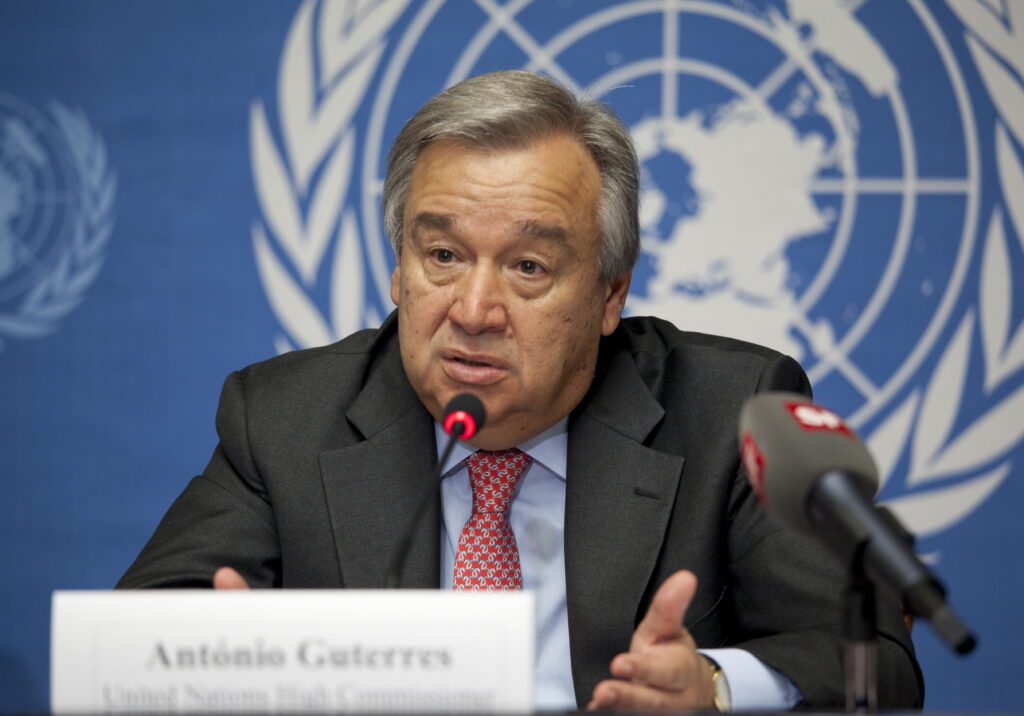
Global reactions have been swift and strongly critical. United Nations Secretary-General Antonio Guterres condemned the coup as an “unacceptable violation of democratic principles,” reflecting widespread concerns about the erosion of constitutional rule in the region.
Guinea-Bissau, wedged between Senegal and Guinea, has endured chronic political instability. Since gaining independence from Portugal in 1974, it has suffered four successful coups and numerous failed attempts. Elections are frequently contested, and governance has been undermined by factionalism and corruption.
The country is also recognised as a key transit point for drug trafficking between Latin America and Europe, a situation made worse by persistent political turbulence.
Friday’s suspension places Guinea-Bissau alongside several other African nations that have recently faced similar measures, including Mali, Burkina Faso, Niger, Sudan and Madagascar. The AU only lifted sanctions on Gabon in April after the post-coup transition there showed progress.
What You Should Know
Guinea-Bissau’s suspension by both the AU and ECOWAS underscores the severity of the political crisis triggered by Wednesday’s military takeover.
Long known for instability and contested elections, the country now faces renewed isolation as regional bodies demand a return to constitutional order.
The coup, the swift takeover by military officers, and the international backlash highlight once again how fragile governance structures remain in the country.