Experts selected by the Trump administration’s vaccine-skeptic Health Secretary, Robert F. Kennedy Jr., are preparing to assess newborn hepatitis B vaccination guidelines on Thursday, weighing whether the timing should be postponed despite resistance from many medical professionals.
The newly constituted Advisory Committee on Immunization Practices (ACIP) will convene for two days in Atlanta, Georgia, continuing discussions from its September session, which produced updated guidance on COVID-19 and measles vaccines.
Under Kennedy’s leadership, ACIP has launched an expansive reassessment of the safety of several long-established vaccines, some of which have been widely used for decades.
This shift, driven by the nation’s top health official, who has a long record of expressing anti-vaccine views despite lacking medical training, has intensified concerns among American scientists and healthcare specialists.
Experts have warned that declining vaccination rates could accelerate the resurgence of fatal infectious diseases, including measles, which claimed several lives in 2025.
“Any changes this ACIP makes will certainly not be based in facts or evidence, but rather ideology,” said Sean O’Leary, an infectious disease and pediatric specialist who has criticized the committee’s new members for lacking adequate qualifications.
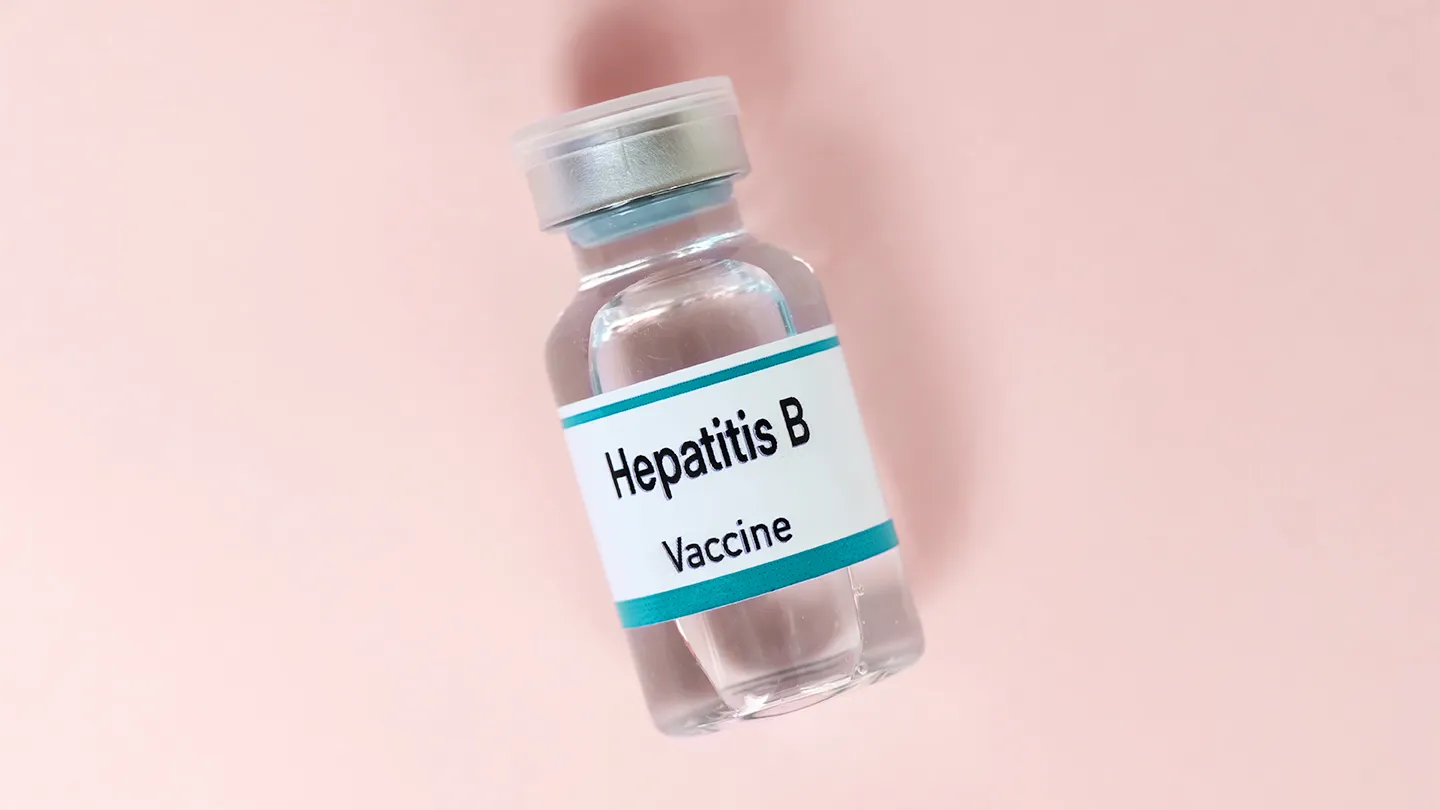
Since 1991, health authorities in the United States have advised that infants receive the hepatitis B vaccine shortly after birth because the virus exposes infected individuals to serious long-term health risks such as cirrhosis and liver cancer.
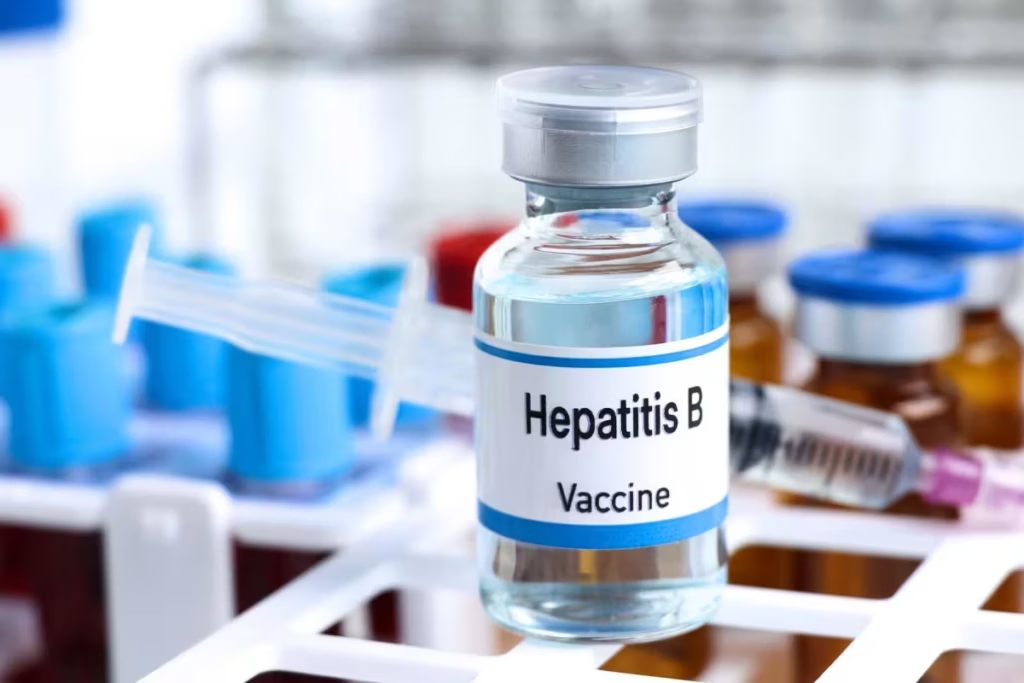
“Ninety percent of babies infected with hepatitis B will go on to have chronic liver disease. Of those, a quarter will die from their hepatitis B infection. These are entirely preventable deaths,” O’Leary explained.
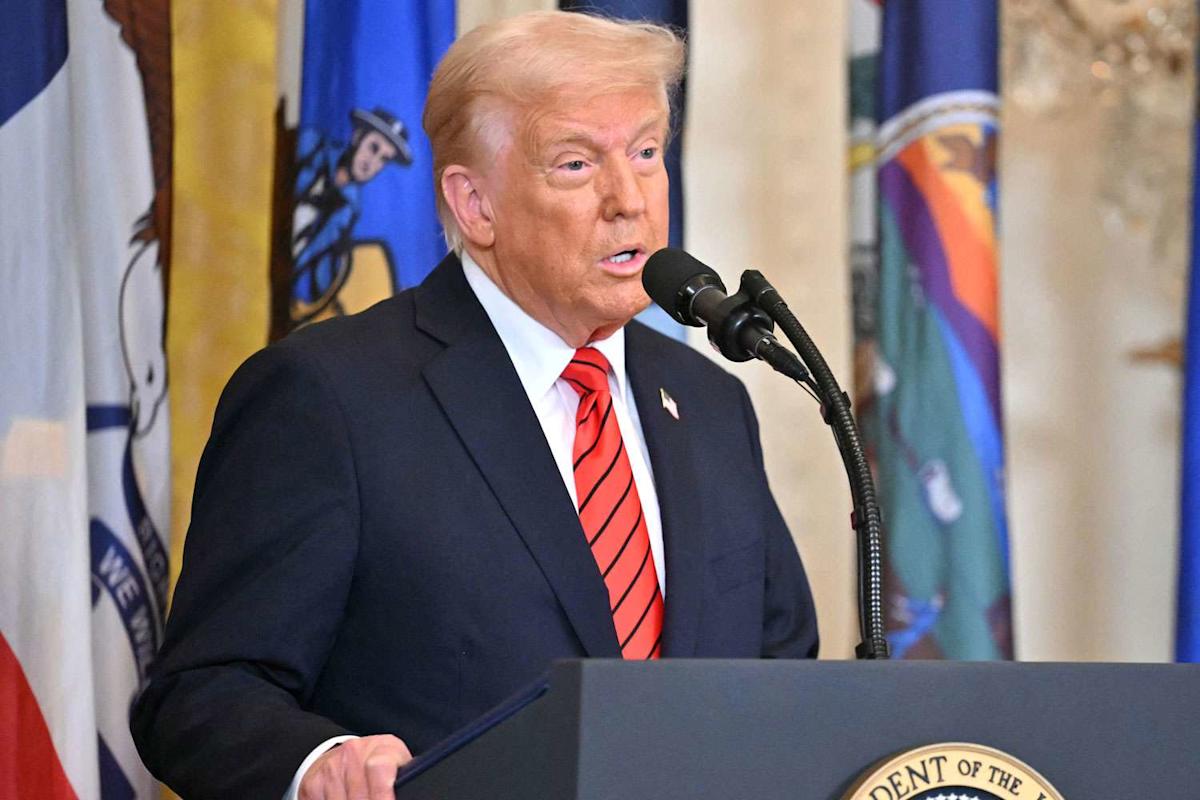
However, anti-vaccine groups and President Donald Trump have strongly opposed this practice. In September, Trump argued that children should not receive the hepatitis B vaccine until age 12, rather than in the first days of life, declaring, “Hepatitis B is sexually transmitted. There’s no reason to give a baby that’s almost just born hepatitis B.”
Medical professionals rejected Trump’s comments, pointing out that newborns can contract the virus from their mothers during pregnancy or delivery, and that postponing vaccination would likely reduce overall coverage due to unequal access to healthcare in the United States.
A new analysis released by researchers at the University of Minnesota reviewed more than 400 studies, finding no advantages in delaying the hepatitis B vaccine and highlighting “critical risks of changing current US recommendations.”
The broader impact of ACIP’s decisions is significant, as its federal recommendations frequently determine whether health insurance providers cover vaccines in a country where childbirth itself is costly and a single vaccine can run into hundreds of dollars.
Yet the committee’s authority is diminishing amid strong backlash from the American medical and scientific community, with several Democratic-led states announcing that they will no longer follow its guidelines.
“States are forming their own advisory committees because they don’t trust anything that’s going on under the auspices of Robert F. Kennedy Jr, who is an avowed anti-vaccine activist and science denialist,” pediatrician Paul Offit told AFP.
“Everybody that watches the ACIP meetings just holds their breath, waiting to see what dangerous thing they advance next.”
What You Should Know
This article explores the growing controversy surrounding ACIP’s upcoming review of newborn hepatitis B vaccination guidelines under the leadership of Robert F. Kennedy Jr. It highlights the concerns of medical experts who fear that long-standing, evidence-based immunization policies may be disrupted by ideological influences.
The piece outlines the risks associated with delaying hepatitis B vaccination, including increased exposure to preventable liver disease, and underscores the broader public health implications of waning trust in national advisory bodies.
It also notes that several states are distancing themselves from ACIP decisions amid rising skepticism.