Sadiq Abubakar, the former National Youth Leader of the All Progressives Congress (APC), has formally defected to the Nigerian Democratic Congress (NDC), declaring his ambition to contest the 2027 governorship election in Gombe State.
Abubakar announced while addressing journalists in Bauchi on Thursday, confirming weeks of political speculation that followed his dramatic resignation from the APC last week, a resignation that sent ripples through the party’s youth wing and drew attention to the deepening discontent simmering beneath the surface of Nigeria’s political establishment.
The former APC chieftain did not mince words about his reasons for walking away from the party he once served at the highest youth leadership level.
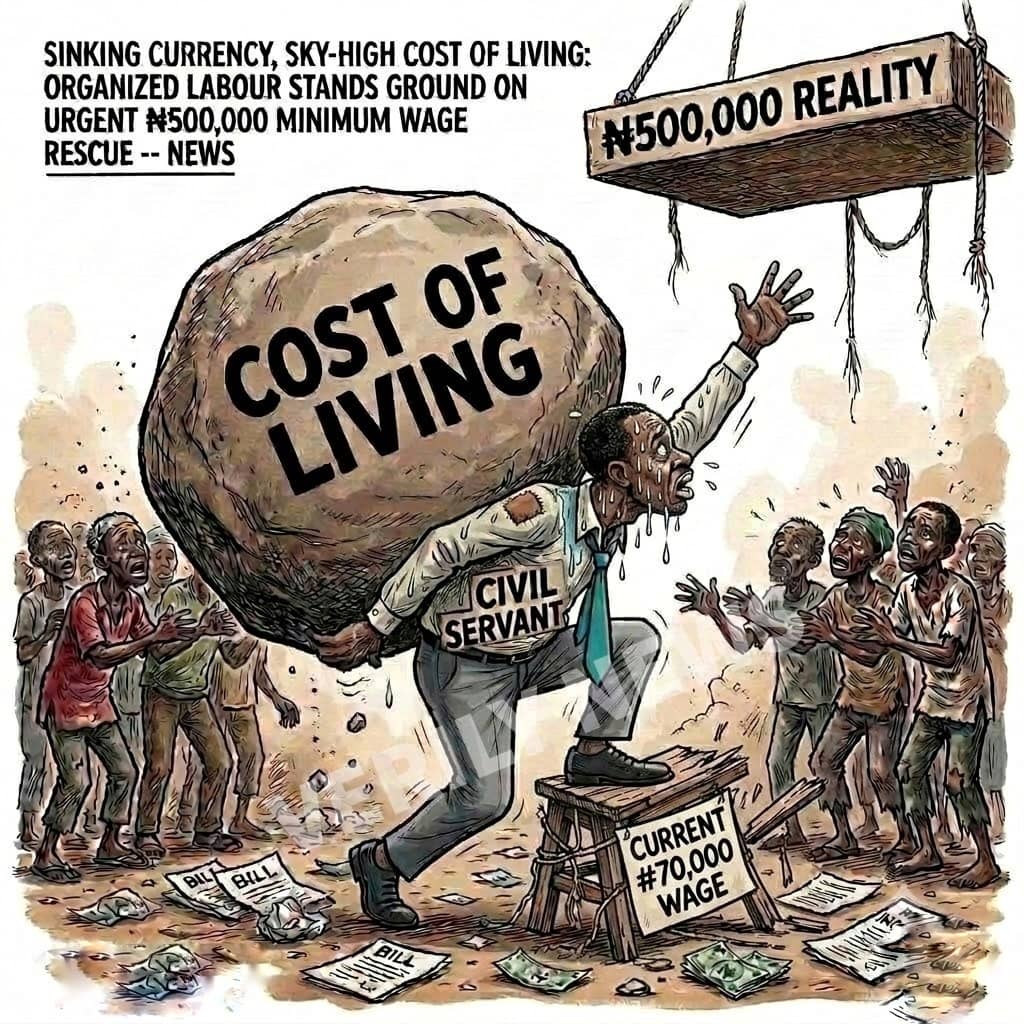
He cited the mounting economic hardship being endured by millions of ordinary Nigerians as a direct consequence of policies and programs implemented by the APC-led federal administration, a rare and pointed rebuke from someone who was, until recently, a card-carrying insider.
For a man who rose to one of the most prominent youth positions within the ruling party, the decision to publicly break ranks carries significant political weight.
It reflects a broader narrative playing out across Nigeria: that of disillusioned party faithful, particularly among the youth, growing weary of unfulfilled promises and economic pain that shows little sign of abating.
“This was not a decision I took lightly,” Abubakar told journalists. “But the realities facing Nigerians today cannot be ignored by anyone with a conscience and a commitment to service.”
Abubakar was emphatic that his choice of the NDC was not made in haste. He described the move as the outcome of extensive consultations spanning weeks, involving political associates, friends, and close family members, a process he portrayed as thorough and deliberate.
At the heart of his decision, he explained, was a fundamental desire for a political platform that could guarantee transparent and credible primary elections — something he suggested was increasingly absent from his former party’s internal workings.
“This is a political party where members are treated fairly and equally,” Abubakar said of the NDC. “It is a party where members’ mandates are not stolen or suppressed in favor of preferred individuals.”
The characterization is a scathing, if thinly veiled, indictment of the APC’s internal dynamics, hinting at a culture of imposition and manipulation that many Nigerian politicians have long complained about behind closed doors, but few of Abubakar’s stature have stated so openly on their way out.
He further expressed confidence in the NDC’s candidate selection process, noting that whether the party opts for primary elections or a consensus arrangement, members would accept the outcome in good faith, a remarkable contrast, he implied, to the bitter disputes that routinely plague the APC’s internal elections.
With his defection formalized, Abubakar has thrown his hat firmly into the ring for the Gombe State governorship race ahead of the 2027 general elections. Though campaigns are still in their early stages, the entry of a figure with his national party pedigree is expected to reshape the political calculus in Gombe, a state that has long been an APC stronghold.
Political analysts will be watching closely to see whether Abubakar’s move triggers a domino effect, encouraging other dissatisfied APC members, particularly within the youth constituency, to reconsider their party affiliations ahead of 2027.
Abubakar described the NDC as a party with a clear vision and a genuine commitment to improving the welfare of ordinary Nigerians, language that suggests he intends to anchor his governorship campaign on a populist, grassroots-oriented message, one that speaks directly to the economic frustrations driving his own departure from the ruling party.
Abubakar’s defection, while one among many in Nigeria’s fluid political landscape, stands out for what it represents: a senior youth figure of the ruling party publicly attributing his exit, at least in part, to the human cost of government policy. In an election cycle that is still taking shape, such voices have a way of amplifying public sentiment into political momentum.
For the APC, the departure of a former national youth leader, with his stated reasons broadcast to the press, is the kind of headline the party can ill afford as it looks to consolidate power ahead of 2027. For the NDC, it is a timely boost in credibility and visibility.
Whether Sadiq Abubakar can translate his political experience and populist appeal into an actual governorship victory in Gombe remains to be seen. But one thing is clear: the race for 2027 just got a little more interesting.
WHAT YOU SHOULD KNOW
Sadiq Abubakar’s defection from the APC to the NDC is more than a routine party switch; it is a pointed political statement.
A man who once held one of the ruling party’s most prominent youth positions has walked away, publicly blaming the APC’s economic policies for the suffering of ordinary Nigerians and condemning what he implies is a culture of manipulated elections and suppressed mandates within the party.
With his sights set on the Gombe governorship in 2027, Abubakar’s move serves as both a personal ambition and a warning signal to the APC that discontent is no longer being whispered behind closed doors but declared openly at press conferences.