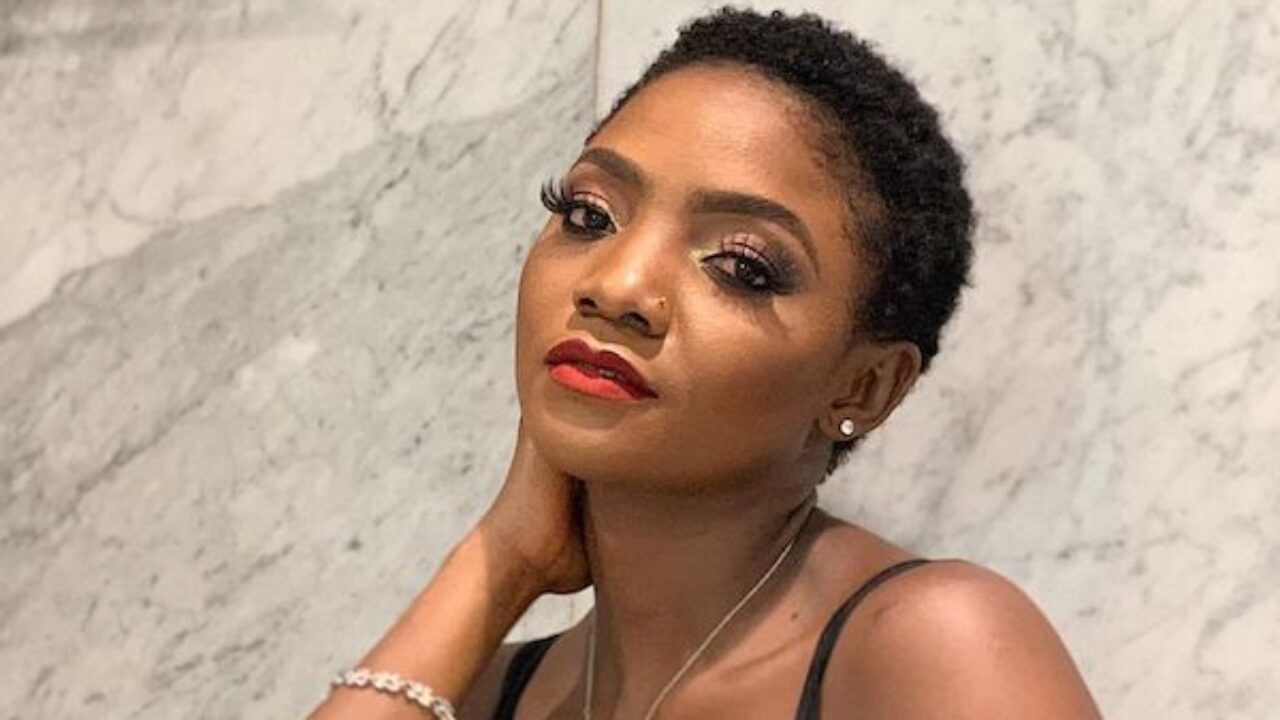
In a digital age where past social media posts can haunt public figures, Nigerian singer Simisola Bolatito Kosoko, better known as Simi, has found herself at the center of a heated online controversy.
The acclaimed artist, celebrated for her soulful Afro-pop hits and advocacy for women’s rights, issued a detailed clarification on her X (formerly Twitter) account after old tweets from 2012 resurfaced, sparking accusations of inconsistency in her views on child safety and sexual misconduct.
The uproar began when Simi weighed in on a high-profile sexual assault allegation involving popular TikToker Mirabel, who initially accused an individual of rape but later retracted her claims.
In a passionate statement, Simi called for severe punishments for rapists, suggesting they should be “burnt and castrated.” While her comments resonated with many supporters amid Nigeria’s ongoing discussions on gender-based violence, they also drew mixed reactions. Critics and online sleuths responded by dredging up Simi’s archived posts, attempting to undermine her credibility.
Among the resurfaced tweets were lighthearted anecdotes from Simi’s early twenties. In one, she described a four-year-old child at her mother’s daycare developing a “crush” on her and “acting like he wants to lock lips”—a playful misspelling of “lock lips.” Another post humorously noted the child “trying to put her hand inside my shirt,” interpreted by some as a reference to her shirt.
These decade-old musings, shared when Simi was 23 and not yet a household name, were quickly weaponized by detractors to suggest inappropriate undertones, fueling a backlash that questioned her moral standing.
Breaking her silence on the matter, Simi took to X to set the record straight, emphasizing context and rejecting any malicious interpretations. “I haven’t been on Twitter today, but someone brought a few of my old tweets to my attention, and I can’t address them,” she wrote. “14 years ago, I was 23, so I was definitely not a child. I’m not here to make excuses because I don’t have anything to make excuses for. What I can’t let anyone do is twist my story to fit false narratives.”
Providing further background, Simi explained that in 2012, she was assisting at her mother’s daycare center while pursuing her budding music career. “I tweeted everything that happened in my life, as we all did at the time,” she continued. “Kids can be mischievous. If a child did something I found funny, I tweeted about it. Kids are cute and lovable. I want to hug, kiss, and cuddle them. I tweet about it. Nothing I tweeted was from perversion.”
The singer, now 37 and a mother herself, acknowledged the perils of fame in hindsight. “I was not famous then, so maybe if I were, I would have understood that anything is open to interpretation, including being used falsely by a faceless mob,” she added. “I’ve never been depraved in my life. You can retweet all the tweets in the world about me loudly crushing on people I admire or being a cheeky young woman. I wasn’t trying to hide it, because I have nothing to hide.”
In a move to protect her personal life, Simi revealed that she has deleted some of her older tweets, citing family considerations. However, she remained unwavering in her commitment to combating sexual violence. “I have always spoken against rape and sexual assault, even before you knew I existed,” she affirmed. “It’s not a costume I’m wearing, it’s who I am. I’ve never claimed to be perfect. I’ve never claimed to know everything. I said stop raping women. I stand by it.”
This incident highlights the double-edged sword of social media for celebrities, where youthful candor can clash with evolving public personas. Simi, who rose to fame with albums like “Simisola” and collaborations with artists such as her husband Adekunle Gold, has long been vocal on social issues, including feminism and mental health.
Her response has garnered support from fans who argue that the tweets were innocent reflections of everyday interactions with children, while others continue to debate the appropriateness of such humor.
As the online discourse unfolds, it underscores broader conversations in Nigeria about accountability, forgiveness, and the permanence of digital footprints. Simi’s team has not issued further statements, but her clarification appears aimed at quelling the storm and refocusing attention on her advocacy work.
WHAT YOU SHOULD KNOW
Simi’s resurfaced 2012 tweets were innocent, playful observations about mischievous children she encountered while helping at her mother’s daycare—made when she was a 23-year-old unknown artist sharing everyday life online.
Her strong stance against rape and sexual assault remains consistent and deeply held, not performative. The backlash appears driven more by selective misinterpretation and mob amplification than by any genuine evidence of wrongdoing.