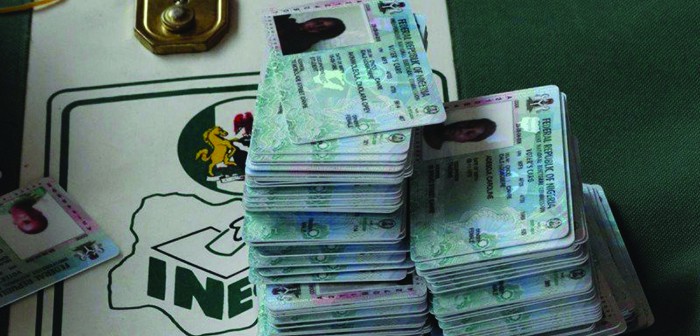
The Independent National Electoral Commission has announced that more than 1.58 million Permanent Voter Cards have been picked up across the Federal Capital Territory in preparation for the area council elections set for Saturday, February 21, 2026.
This information was made public in a statement released on Thursday by the commission’s National Commissioner and Chairman of the Information and Voter Education Committee, Mohammed Kudu Haruna.
INEC reported that the distribution of PVCs witnessed significant participation, an indication that residents are largely prepared to take part in the forthcoming elections.
According to the commission’s latest figures, as of the conclusion of the collection exercise on February 10, 2026, the total number of registered voters in the FCT stood at 1,680,315.
From that total, 1,587,025 voter cards had been collected, reflecting a 94.4 percent retrieval rate, while 93,290 cards were yet to be claimed.
The commission further noted that the level of performance recorded across the six area councils demonstrated impressive civic involvement.
In Abaji Area Council, 75,517 voter cards were collected from 79,471 registered voters, amounting to a 95.0 percent collection rate.
Bwari Area Council recorded 276,360 collected PVCs out of 295,711 registered voters, which represents 93.5 percent.
Gwagwalada Area Council reported that 196,184 PVCs were retrieved from 208,057 registered voters, translating to 94.3 percent.
Kuje Area Council achieved the highest percentage, with 144,109 voter cards collected from 148,286 registered voters, resulting in a 97.2 percent collection rate.
In Kwali Area Council, 99,774 PVCs were collected out of 107,203 registered voters, amounting to 93.1 percent.
The Municipal Area Council recorded 795,081 PVCs collected from 841,587 registered voters, giving a 94.5 percent collection rate.
INEC also disclosed that a number of Registration Areas surpassed a 99 percent collection rate, reflecting strong engagement at the grassroots level throughout the territory.
The commission praised residents for their active participation during both the Continuous Voter Registration and PVC distribution processes, stating that the statistics point to a substantial level of readiness among citizens ahead of the polls.
The statement emphasised that “only duly registered voters in possession of valid PVCs will be allowed to vote on Election Day,” adding that all necessary arrangements had been concluded to ensure a free, fair, and credible process.
The FCT Area Council elections remain unique within Nigeria, as they are the only local government elections conducted directly by INEC instead of state electoral bodies.
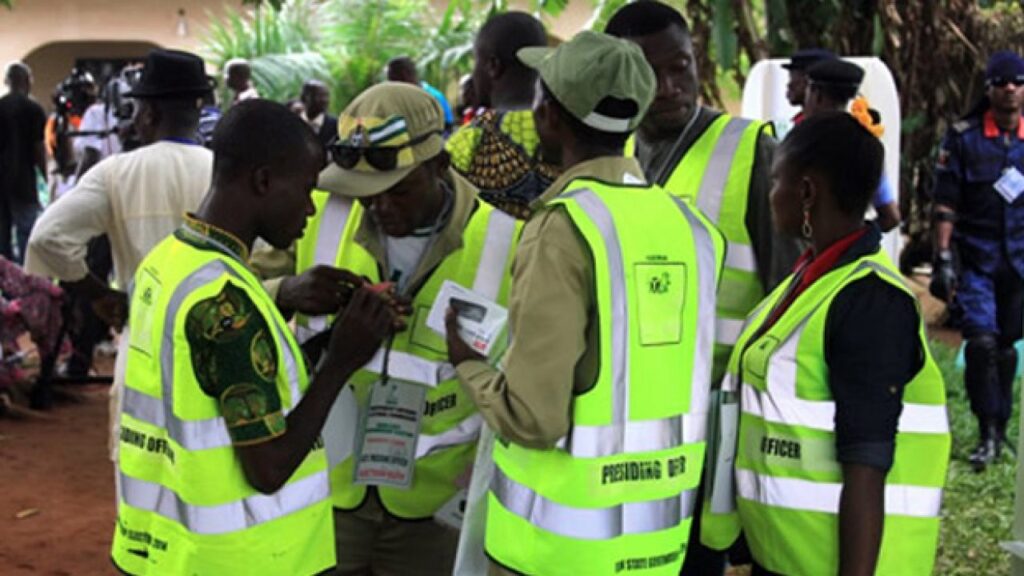
Across the six area councils, Abaji, Abuja Municipal Area Council, Bwari, Gwagwalada, Kuje, and Kwali voters will choose six chairmen and 62 councillors representing 68 constituencies.
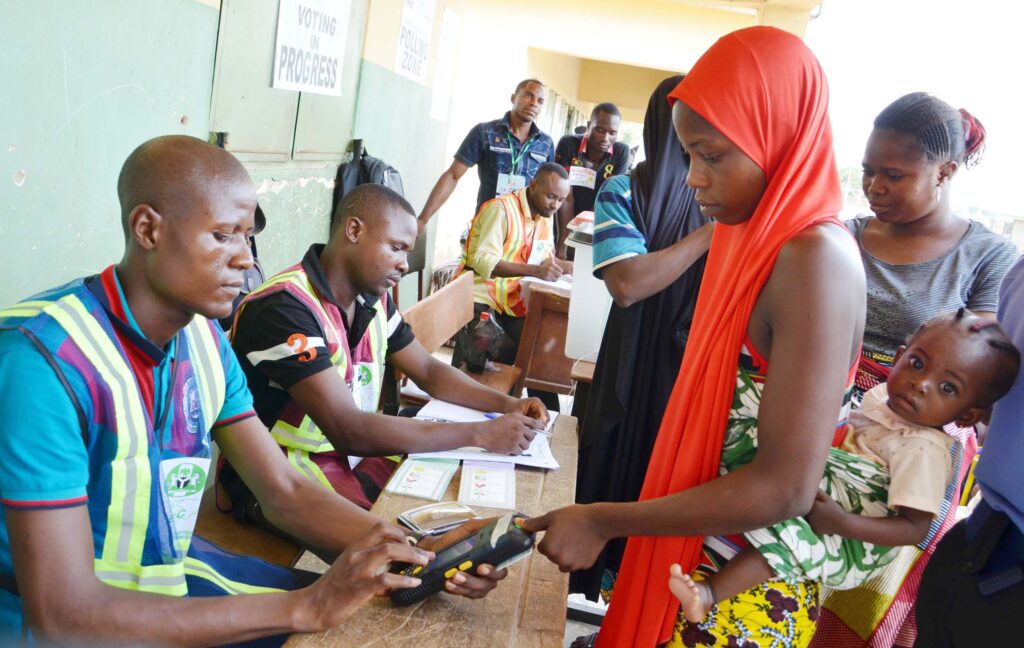
INEC confirmed that the Bimodal Voter Accreditation System will be used in every polling unit, and election results will be electronically transmitted to the commission’s Result Viewing Portal.
Authorities are expected to impose movement restrictions from 6:00 a.m. to 6:00 p.m. on election day. Security agencies have also announced extensive deployments to safeguard the voting process and maintain public order.
Campaign activities officially concluded at midnight on February 19, two days before residents are scheduled to cast their ballots.
What you should know
More than 94 percent of registered voters in the FCT have already collected their Permanent Voter Cards ahead of the February 21, 2026 council elections, indicating strong public participation.
Only registered voters with valid PVCs will be permitted to vote, and INEC will deploy the Bimodal Voter Accreditation System in all polling units, with results transmitted electronically.
Movement will be restricted between 6:00 a.m. and 6:00 p.m. on election day, and security agencies have confirmed large-scale deployments to ensure a peaceful and credible process.
The FCT council elections are uniquely conducted by INEC rather than state electoral commissions, and voters will elect six chairmen and 62 councillors across 68 constituencies.