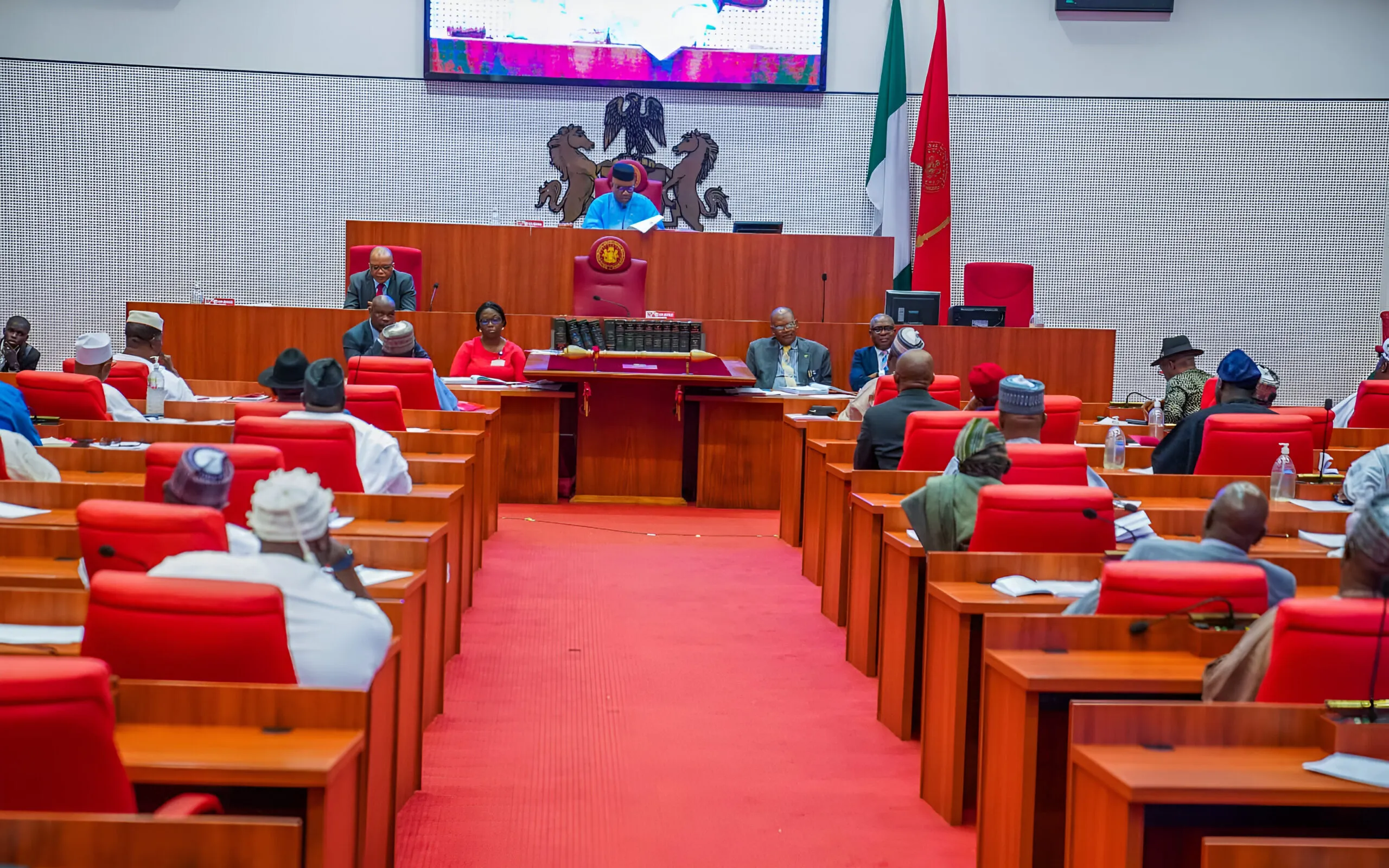
The Senate has urged the Ministry of Health and Social Welfare to formulate and strictly implement nationwide guidelines that will compel designated public and private hospitals to maintain minimum stock levels of essential antidotes and emergency medicines.
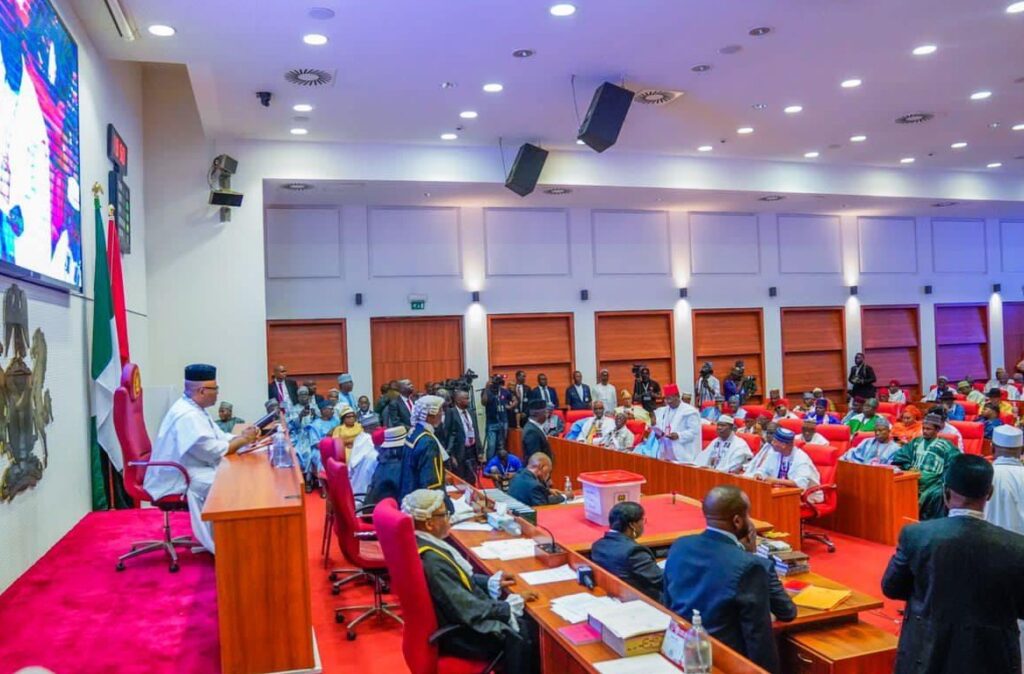
This call followed the Senate’s deliberation on a motion sponsored by Senator Adebule Idiat Oluranti (APC, Lagos West), which highlighted the pressing need for both federal and state governments to ensure the consistent availability, accessibility, and proper distribution of life-saving antidotes and emergency drugs across Nigeria.
While moving the motion, Idiat, a former Deputy Governor of Lagos State, observed that the country has continued to record a rise in medical emergencies such as snakebites, scorpion stings, cases of poisoning, drug overdoses, and other forms of envenomation.
She stressed that many of these emergencies become fatal due to delays or the absence of critical antidotes in hospitals.

The Senate expressed deep concern over the reported death of Miss Ifunanya Nwangene, who died after sustaining a snakebite in Abuja.
Lawmakers described her death as unfortunate and preventable, noting that it revealed major shortcomings in emergency response systems and the lack of readily available antidotes in both public and private health facilities nationwide.
As part of its resolutions, the Senate called on health regulatory agencies to make the stocking of essential antidotes a compulsory condition for the licensing, registration, and renewal of accreditation of private hospitals.
It also urged the government to provide adequate budgetary allocations and strengthen supply chains to ensure public hospitals are properly equipped with emergency medicines.
In addition, the Senate directed the Federal Ministry of Information and the National Orientation Agency (NOA) to launch nationwide awareness campaigns to educate the public on the importance of seeking immediate medical attention after incidents such as snakebites, poisoning, and other envenomation cases, while warning against the dangers of delayed treatment.
Nwangene, an Abuja-based singer known professionally as Nanyah, reportedly died after suffering a snakebite at her residence on Saturday. She was said to have visited two different hospitals in search of urgent care but was allegedly unable to receive treatment due to the absence of anti-venom at both facilities.
What you should know
The Senate’s intervention highlights growing concern over Nigeria’s emergency healthcare preparedness, especially in handling snakebites and poisoning cases.
The death of Ifunanya Nwangene has intensified calls for stricter hospital regulations, improved funding, and better drug supply systems. If implemented, the proposed guidelines could significantly reduce preventable deaths by ensuring hospitals are always equipped with essential antidotes.
Public awareness is also key, as early hospital presentation remains critical in managing envenomation and poisoning emergencies.