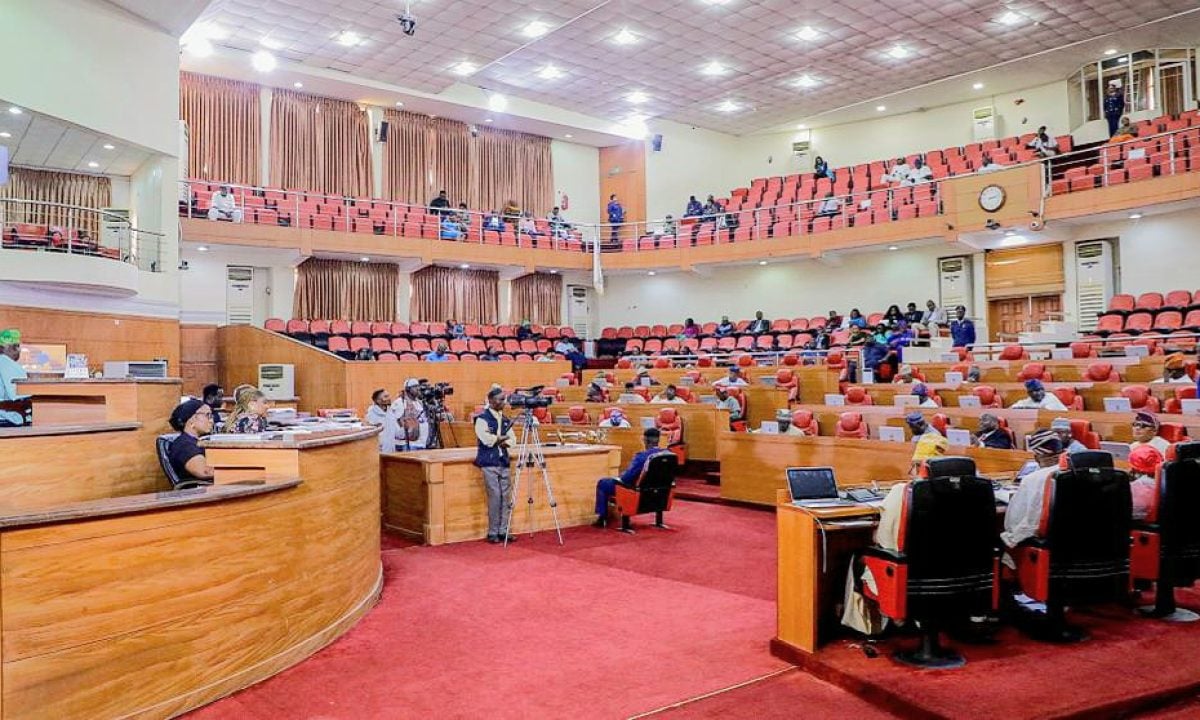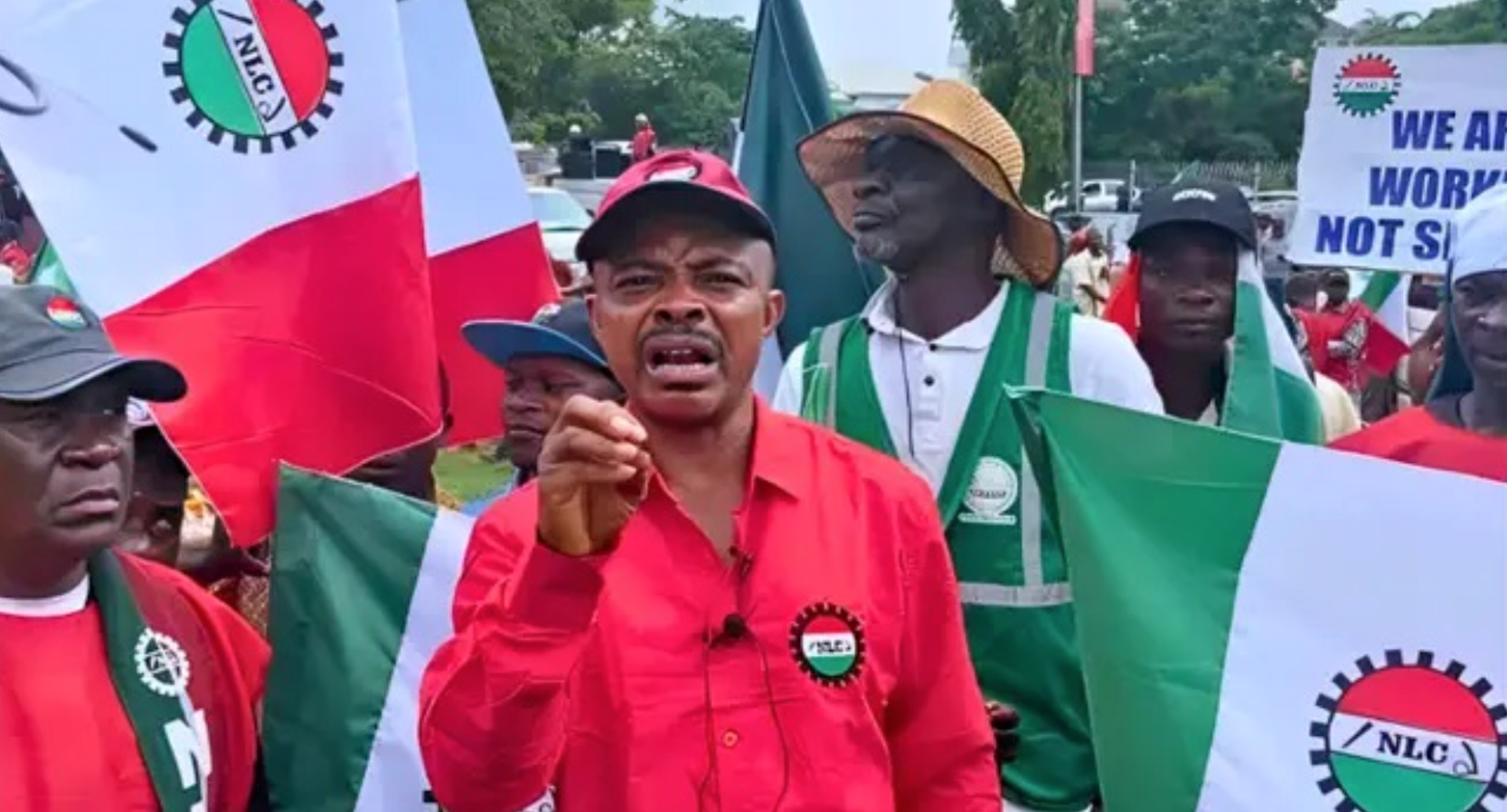
Labour unions have instructed their members and affiliated bodies on the payroll of the Federal Capital Territory Administration (FCTA) to return to their duties with immediate effect, bringing a pause to weeks of industrial disruption within the nation’s capital.
The order was conveyed through a joint circular released on Tuesday by the Trade Union Congress (TUC) and the Nigeria Labour Congress (NLC) after an extended conciliatory engagement between union leaders and the Minister of the Federal Capital Territory, Nyesom Wike.
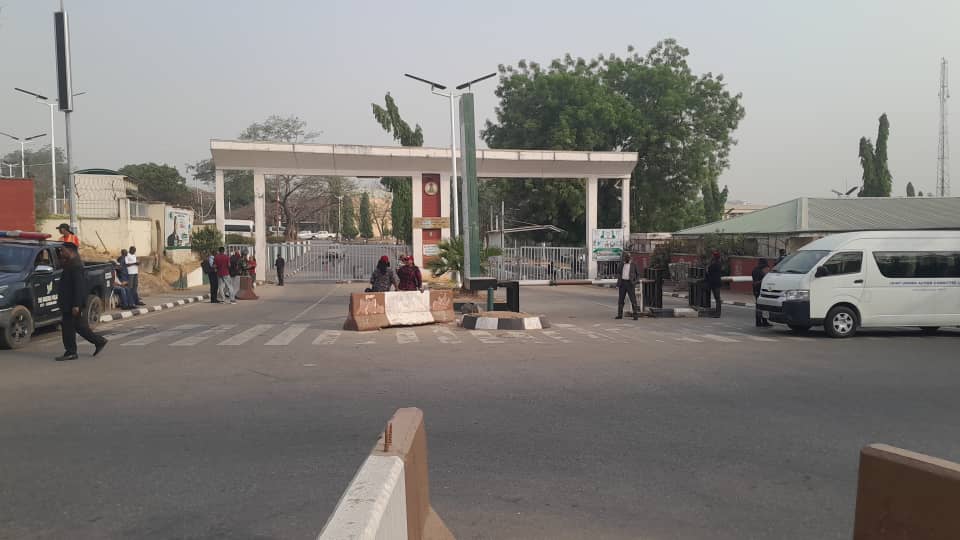
“Consequently, all JUAC members and all affiliates of the TUC and NLC working in the Ministry of the FCT (MFCT) are hereby directed to resume work immediately,” the circular, signed by the TUC Secretary General. N.A Toro and NLC Ag. General Secretary, Benson Upah, read in part.
“All affiliates are enjoined to comply strictly with this directive in the interest of industrial peace and harmony, in good faith.”
The labour unions explained that the breakthrough was achieved during a meeting facilitated by the Chairman of the Senate Committee on FCT, Mohammed Bomoi. According to them, the discussions addressed the concerns that had stalled operations at the FCTA secretariat since January 19.
They stated that all grievances raised by the Joint Union Action Committee (JUAC) were fully “addressed to the satisfaction of all parties involved,” adding that Wike gave assurances of “mutual respect and sustained engagement going forward to ensure a harmonious working relationship”.
Further agreements reached during the talks included assurances that “no worker shall be victimized in any way for participating in the industrial action,” as well as a resolution that all “outstanding cases at the National Industrial Court (NIC) related to this industrial dispute shall be withdrawn immediately by the parties.”
The strike action, organised under the JUAC, was triggered by complaints including the non-remittance of statutory deductions such as Pension and National Housing Fund contributions, delays in settling promotion arrears, and concerns surrounding the conduct of promotion exercises, among other unresolved matters.
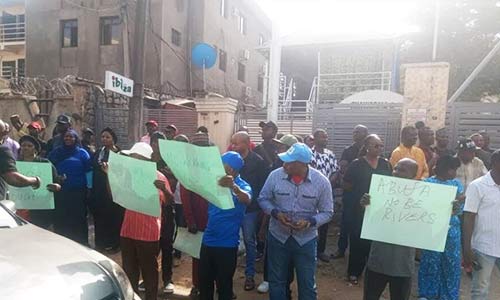
As the strike persisted, activities across departments and agencies of the FCTA and the Federal Capital Development Authority (FCDA) were effectively shut down, a development that prompted Wike to initiate legal action against the JUAC.
On January 27, the National Industrial Court ordered the workers to suspend the strike. While the court acknowledged the matter as a trade dispute, it ruled that the defendants’ right to embark on industrial action was not absolute.
The court maintained that since the dispute was already before it, the strike ought to be halted pending a final determination of the case.
Despite this ruling, the situation remained tense as the FCTA instructed workers to resume work, while the NLC directed its members to continue with the strike.
On Monday, the National Industrial Court (NIC) further issued an interim order restraining the NLC, the TUC, and three other parties from proceeding with a planned protest scheduled for Tuesday, February 3, 2026.
Justice Emmanuel Sublim, in his ruling on an ex parte application filed by Wike and the FCTA, granted the interim injunction restraining the 1st to 5th respondents and their agents from embarking on any strike action pending the hearing of the motion on notice.

He also directed the 5th to 9th defendants, identified as security agencies, to ensure that law and order were maintained.
The ex parte motion, filed by Counsel to Wike and the FCTA, Ogwu Onoja, argued that the Chairman of the FCT council had circulated a mobilisation message to union members and affiliates calling for a protest on February 3.
Ahead of the scheduled protest, both the FCTA and police authorities appealed to workers to abandon the planned demonstration.
What you should know
The directive for FCTA workers to resume duties follows weeks of industrial tension that disrupted government services in Abuja.
The dispute centred on unpaid statutory deductions, promotion arrears, and labour relations between workers and the FCTA leadership. Legal intervention by the National Industrial Court played a key role, with multiple rulings limiting strike actions while negotiations continued.
The latest agreement reflects a temporary resolution, anchored on assurances of non-victimization, withdrawal of court cases, and renewed dialogue between organised labour and the FCT administration.
How effectively these commitments are implemented may determine whether lasting industrial peace is achieved.