The Senate Leader, Opeyemi Bamidele, has announced that the National Assembly will concentrate on electoral reforms, constitutional amendments, and the consideration of the 2026 Appropriation Bill as lawmakers resume plenary for the remaining 16 months of the 10th Assembly.
Bamidele made this known in a statement issued on Tuesday, outlining the priorities that will guide legislative activities as the Assembly enters the closing phase of its four-year mandate.

He observed that of the 48 months constitutionally allocated to the 10th National Assembly, just 16 months are left, a reality he said calls for timely but carefully structured legislative interventions to address Nigeria’s economic, political, and governance realities.
According to the Senate Leader, the Assembly has already spent the past 32 months driving extensive reforms aimed at transitioning Nigeria from an extraction-based economy to one that is diversified, resilient, and competitive on the global stage.
“As we resume plenary, we have resolved to consider and conclude legislative initiatives that directly touch our electoral regime and governance structure, while consolidating reforms already initiated to make public governance more efficient and people-centred,” he said.
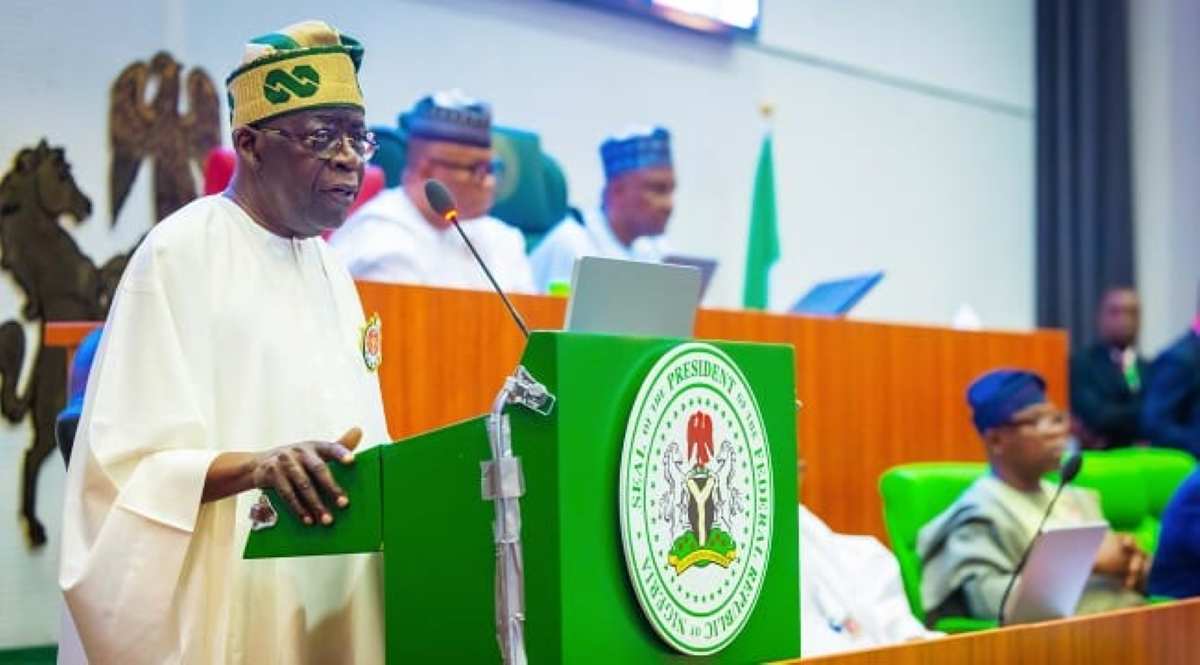
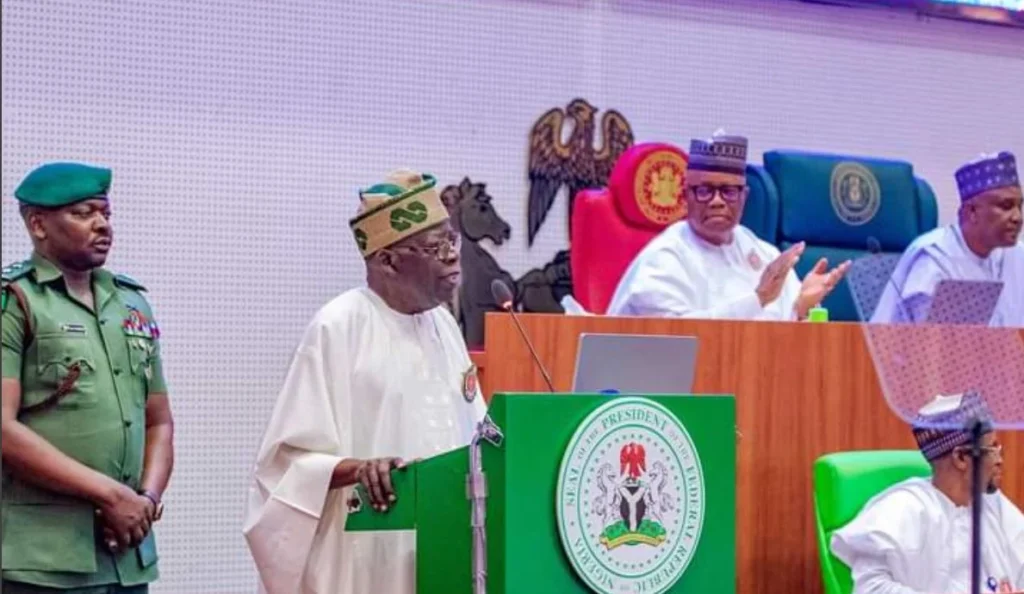
Bamidele disclosed that lawmakers would give priority attention to the review and passage of the 2026 Appropriation Bill, estimated at ₦58.47 trillion, which President Bola Ahmed Tinubu presented to a joint sitting of the National Assembly on December 18, 2025.
He explained that the proposed budget is central to maintaining macroeconomic stability, enhancing Nigeria’s competitiveness, and ensuring that economic expansion results in job creation, improved incomes, and better living conditions for citizens.
The Senate Leader further noted that recent fiscal policy changes, including the enactment of the 2025 Tax Reform Act, have reshaped Nigeria’s fiscal framework by reducing the tax burden on low-income earners while placing increased responsibility on high-income individuals, a step he said would gradually narrow budget deficits.
On electoral reforms, Bamidele revealed that the National Assembly has begun a detailed, clause-by-clause reassessment of the Electoral Act, 2022, through the proposed Electoral Bill, 2025, in preparation for the 2027 general elections.
He said the Bill contains more than 20 major changes, among them the recognition of prisoners’ voting rights, compulsory release of election funds to the Independent National Electoral Commission at least one year before elections, the introduction of electronically generated voter identification with QR codes, and mandatory electronic transmission of results from polling units.
He added that the proposed reforms also cover tighter voter registration rules, uniform standards for delegates in party primaries, higher campaign spending thresholds, stiffer penalties for electoral malpractice, and compulsory jail terms for offences such as vote buying, result manipulation, and obstruction of election officials.
According to him, individuals convicted of vote buying risk fines of up to ₦5 million, a two-year prison sentence, and a 10-year disqualification from contesting elections.
Bamidele said reports from the Committees on INEC in both chambers would soon be presented for plenary debate and voting, after which the Bill would be forwarded to the President for assent.
He also disclosed that the amendment of the 1999 Constitution has progressed significantly, with technical sessions concluded and submissions from public hearings already compiled.
According to him, the Deputy President of the Senate and Chairman of the Senate Committee on Constitution Review, Senator Barau Jibrin, is expected to formally present the report to the Senate before the end of the first quarter of 2026.
Bamidele noted that the constitutional amendment process would still require approval by at least two-thirds of the 36 State Houses of Assembly, urging state lawmakers to evaluate the proposals based on their national importance.
He reaffirmed the commitment of the National Assembly to strengthening governance, improving security, and advancing the welfare of Nigerians, stressing that public confidence in the legislature is a responsibility that must not be compromised.
What you should know
The National Assembly is entering the final phase of its tenure with a packed legislative agenda that could shape Nigeria’s political and economic direction ahead of the 2027 elections.
Key priorities include reforming the electoral framework to improve credibility, concluding a long-running constitutional review, and passing a record ₦58.47 trillion budget for 2026. The proposed electoral changes target vote buying, funding transparency, and technology-driven processes, while fiscal reforms are designed to ease pressure on low-income earners.
Together, these initiatives reflect an effort to deliver lasting institutional reforms before the Assembly’s term expires.