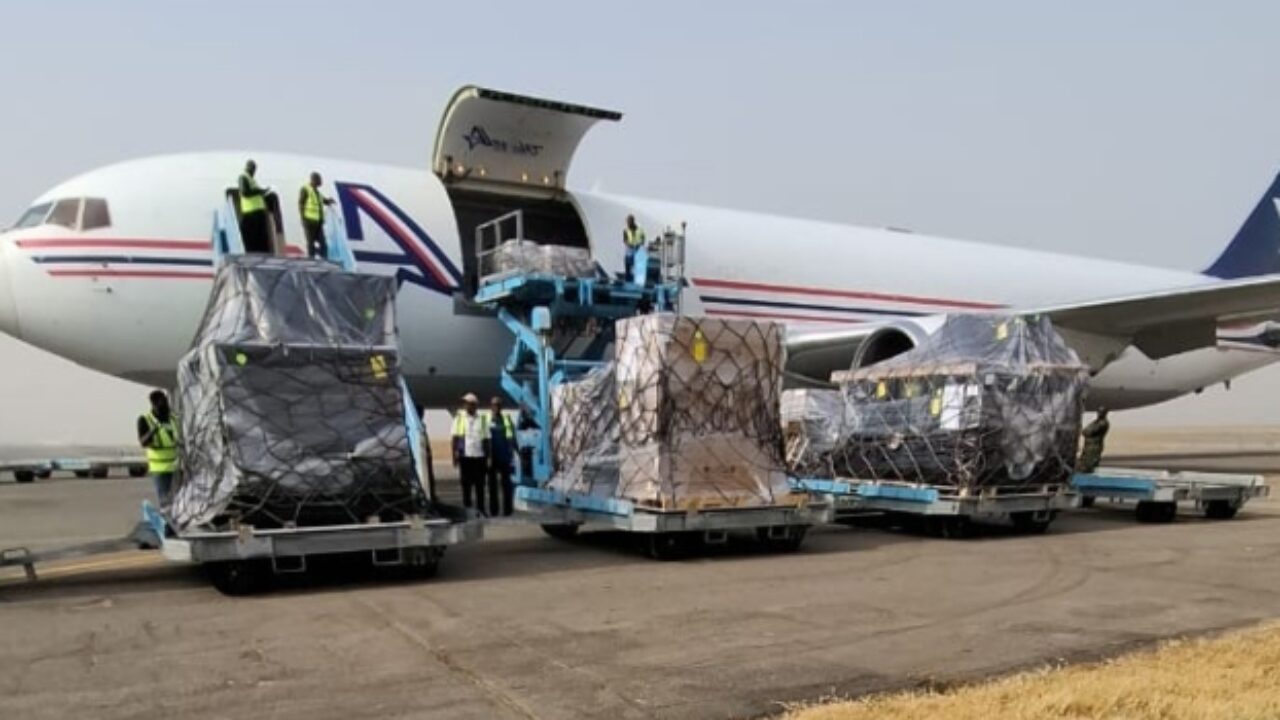
The United States military is increasing the delivery of materiel and expanding intelligence sharing with Nigeria as part of a broader effort to work with African militaries against Islamic State-linked militants, the deputy commander of US Africa Command has said.
Lieutenant General John Brennan told AFP that the Pentagon has also maintained open lines of communication with militaries in junta-led Sahel countries, including Burkina Faso, Niger, and Mali, despite strained diplomatic relations.
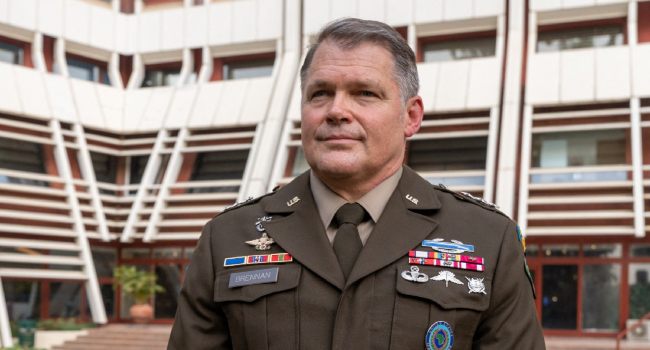
The enhanced cooperation with the Federal Government comes amid Washington’s growing pressure on Nigeria over jihadist violence, as well as a shift toward a more assertive US military posture on the continent.
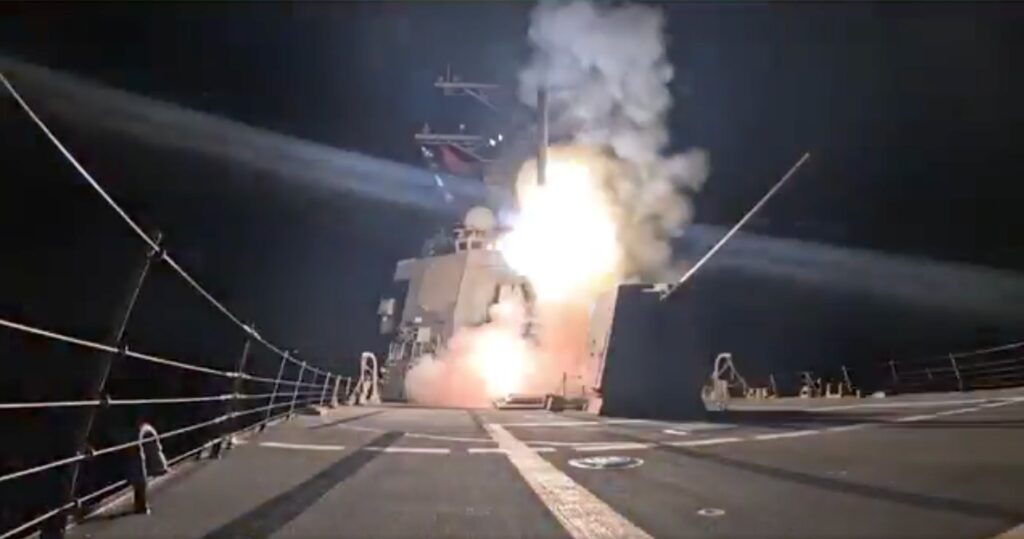
Under the Trump administration, Brennan said, “we’ve gotten a lot more aggressive and (are) working with partners to target, kinetically, the threats, mainly ISIS.”
He added that militant activity across Africa is interconnected. “From Somalia to Nigeria, the problem set is connected. So we’re trying to take it apart and then provide partners with the information they need.”
Brennan explained that the strategy now focuses on empowering local forces. “It’s been about more enabling partners and then providing them with equipment and capabilities with less restrictions so that they can be more successful.”
The comments followed last week’s inaugural US-Nigeria Joint Working Group meeting, which took place about a month after the US carried out surprise Christmas Day strikes on IS-linked targets in north-west Nigeria.

Despite growing military cooperation, diplomatic tensions remain over claims by President Donald Trump that Christians are being mass-killed in Nigeria. Nigerian authorities and independent analysts have rejected that characterisation, arguing that the country’s security challenges are complex and not solely religious.
During the Abuja meeting, State Department official Allison Hooker urged Nigeria “to protect Christians,” a remark that drew attention for not referencing Muslim victims of armed violence.
Brennan told AFP that US intelligence support would not be limited to protecting Christians and said future assistance would prioritise intelligence sharing to support Nigerian air operations in Sokoto State and the North-East, where Boko Haram and Islamic State West Africa Province have waged an insurgency since 2009.
Describing ISWAP as “our most concerning group,” Brennan confirmed that the recent US strikes targeted militants linked to Islamic State Sahel Province, a group usually active in neighbouring Niger.
He also said cooperation would extend across “the whole gamut of Intel sharing, sharing… tactics, techniques, and procedures, as well as enabling them to procure more equipment.”
Beyond Nigeria, Brennan said the US continues to engage quietly with Sahelian militaries despite political rifts. “We still collaborate,” he said, noting that information has been shared to strike key terrorist targets even without formal agreements.
He added that the US is not seeking new military bases in West Africa, stressing, “We’re not in the market to create a drone base anywhere,” and that Washington prefers a flexible approach focused on rapid support rather than permanent basing.
What you should know
The United States is recalibrating its Africa security strategy by prioritising intelligence sharing, limited strikes, and support for local militaries rather than long-term troop deployments.
Nigeria has become a key partner in this approach due to the threat posed by Boko Haram, ISWAP, and spillover from Sahel-based Islamic State factions. While military cooperation is expanding, diplomatic tensions persist over how violence in Nigeria is framed internationally.
The US insists its intelligence support is not religiously selective and is also quietly engaging militaries in coup-led Sahel states despite reduced formal ties.