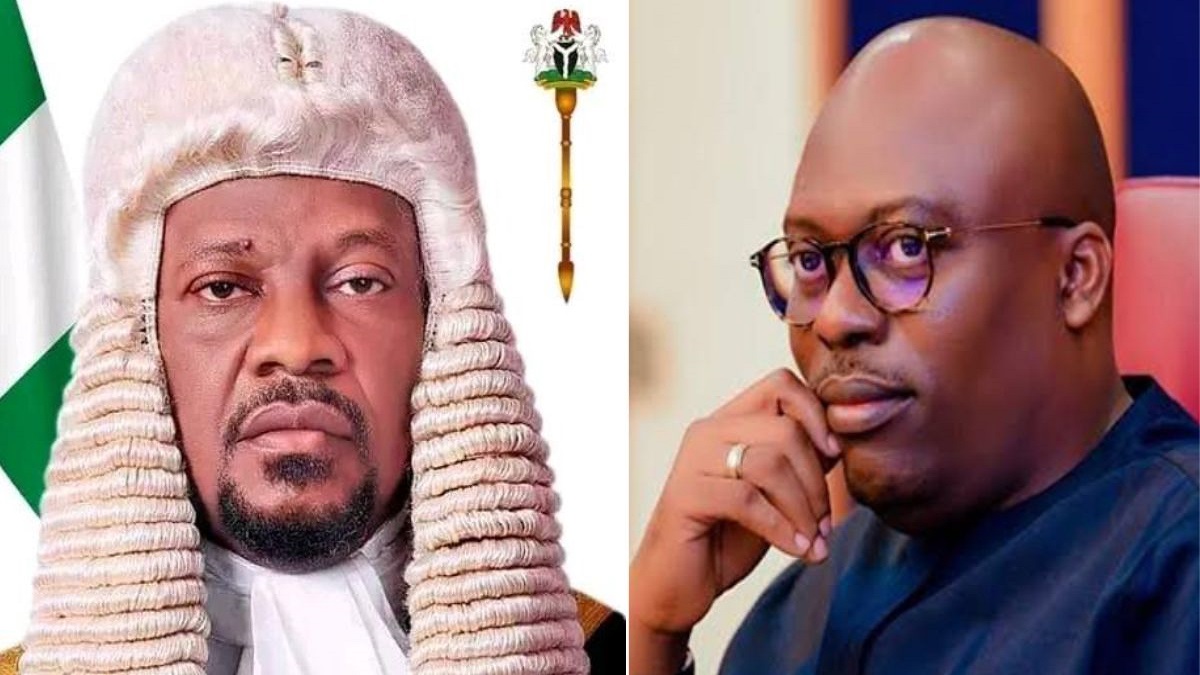
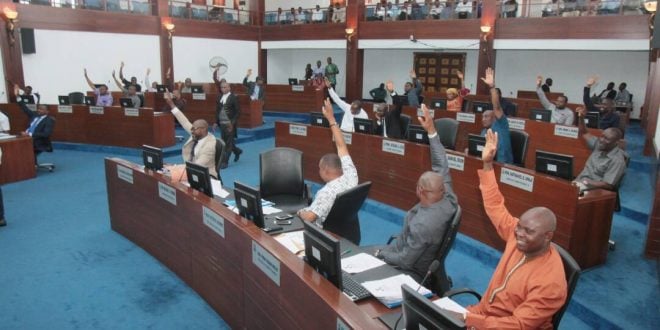
The Rivers State House of Assembly appears determined to pursue the impeachment of Governor Siminalayi Fubara and his deputy, Prof Ngozi Odu, over allegations of “gross misconduct” raised by 26 lawmakers in the 32-member legislature.
The Assembly has shown no signs of retreat, despite growing concerns over the political tension gripping the state.

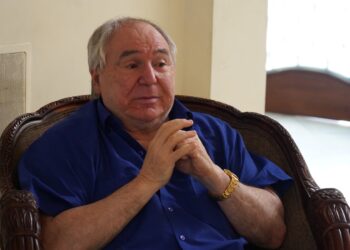
This hardline position was further underscored by the lawmakers’ refusal to grant audience to a seven-member peace and reconciliation committee set up by the Pan Niger Delta Elders Forum, PANDEF. The committee is led by respected lawyer and former Attorney General of the Federation, Chief Kanu Agabi (SAN).
The delegation arrived in Port Harcourt last Saturday and held what were described as “successful” meetings with key stakeholders, including the Rivers State Leaders and Elders Forum, chaired by former governor Chief Rufus Ada George, with former deputy governor Sir Gabriel Toby as vice chairman.
The team also met separately with the Rivers State Elders Council, led by Chief Ferdinand Anabraba, a close ally of the Minister of the Federal Capital Territory, Barr. Nyesom Wike.
However, efforts to meet the leadership of the House of Assembly proved futile. A source who attended one of the meetings disclosed that repeated attempts by the peace committee to reach the Speaker, Martin Amaewhule, were unsuccessful.
“The committee made frantic efforts to reach out to the speaker of the House, Amaewhule, but the young man didn’t pick their calls. The committee also tried to reach them through Chief Anabraba, he did not still pick his calls. I don’t know what they really want.
“We persuaded the committee to wait a little longer and see if they will have a change of heart to meet with the peace delegation, but the visitors couldn’t wait any longer. These are eminent people with credible track records who are also very busy people. So, they left and promised to try to get to the Assembly people some other time.”
Developments suggest that the lawmakers may be unwilling to pursue reconciliation, with indications that they are focused on ensuring the governor’s removal from office. The peace committee had been given a two-week window to reconcile the disputing parties and submit a report for further action.
Meanwhile, the Assembly has adjourned its sitting to Tuesday, January 27, 2026, amid fears that impeachment proceedings could commence immediately. The lawmakers had earlier written to the Chief Judge of the state, Justice Simeon Amadi, requesting the constitution of a seven-man panel to investigate the allegations against the governor.
Recall that the Agabi-led committee had earlier met with the FCT minister, Nyesom Wike, last Thursday, followed by a meeting with Governor Fubara in Port Harcourt on Friday. The committee also held discussions with Chief Ferdinand Anabraba last week as part of its mediation efforts.
However, a reliable source has dismissed the likelihood of the Chief Judge setting up the investigative panel. According to the source, a court order restrains such action.
“The state High court has issued an order where the CJ’s name was also mentioned. He cannot disobey the law. He must do exactly what the court says.
“There is a possibility also that the Amaewhule group may likely go on Appeal, but the fact remains that the CJ has been ordered by the state High court sitting in Port Harcourt not to do anything contrary. If there was no court order, I can tell you sincerely that the CJ would not have any option but to setup the investigative panel.”
What you should know
The Rivers State political crisis reflects a deep power struggle between the executive and the legislature, with strong undercurrents linked to post-election realignments and influence battles.
The impeachment threat against Governor Siminalayi Fubara is widely seen as part of a broader contest involving loyalists of former governor and current FCT minister Nyesom Wike. While PANDEF’s intervention highlights regional concern over stability in Rivers State, the refusal of lawmakers to engage the peace committee suggests that political calculations may outweigh dialogue.
Court orders and judicial restraint are now central factors that could slow or temporarily halt the impeachment process.