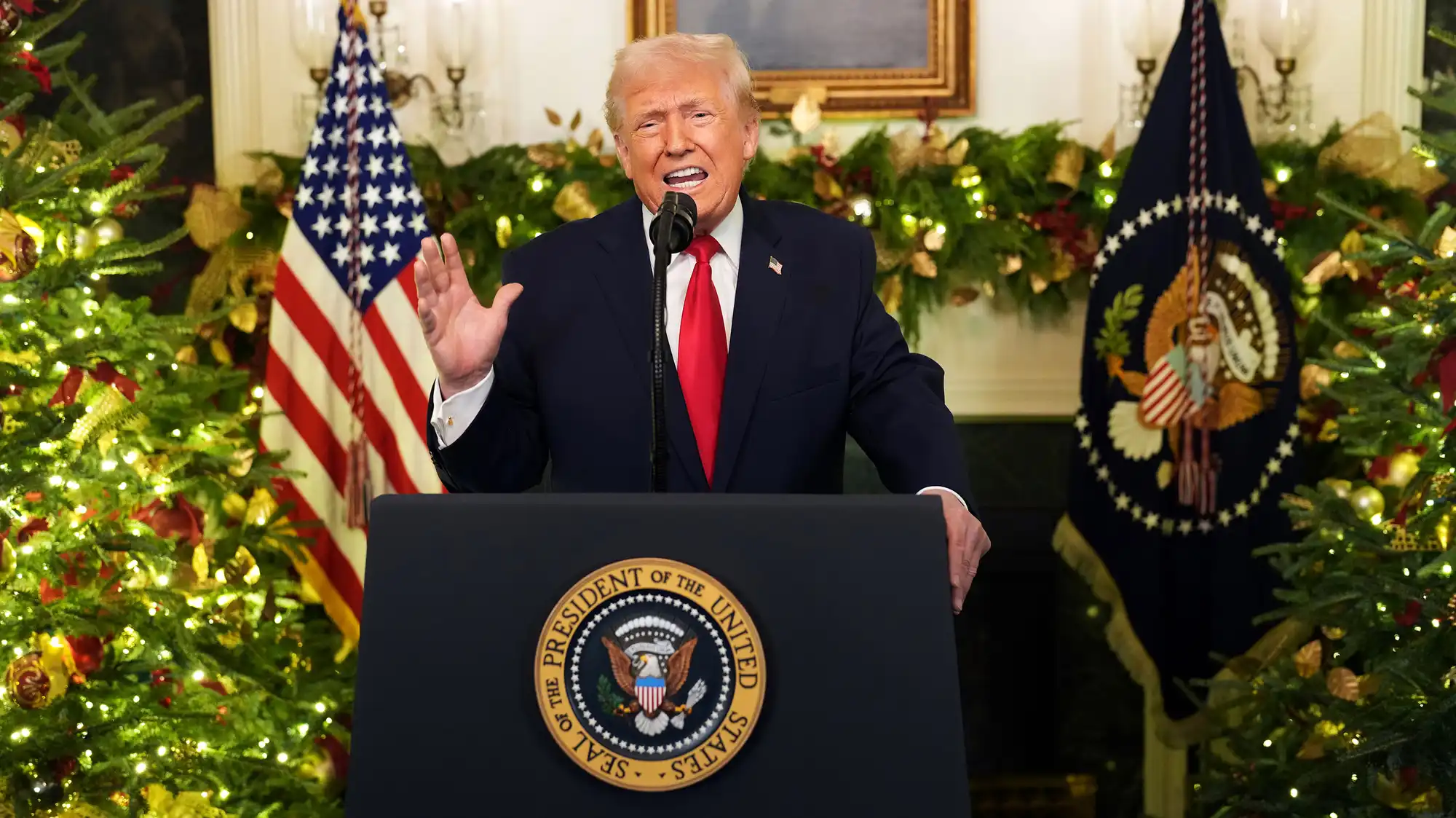
United States President Donald Trump has announced that American forces carried out what he described as “powerful and deadly” airstrikes against Islamic State militants in northwestern Nigeria on Thursday, following his earlier warning to the group to stop killing Christians in the country.
The US Department of Defense confirmed that “multiple ISIS terrorists” were killed in the operation, which it said was conducted at the request of Nigerian authorities, though it did not release further operational details.
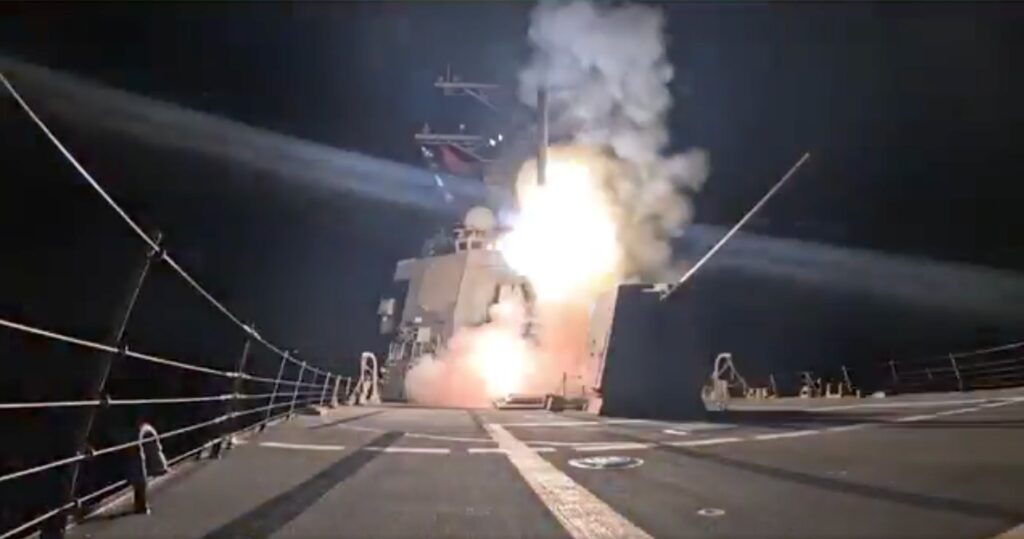
According to Trump, the strikes were carried out on Christmas Day.
“I have previously warned these Terrorists that if they did not stop the slaughtering of Christians, there would be hell to pay, and tonight, there was,” Trump wrote on his Truth Social platform.
“May God Bless our Military,” he added, saying, “MERRY CHRISTMAS to all, including the dead Terrorists, of which there will be many more if their slaughter of Christians continues.”
The US Africa Command corroborated the development in a post on X, stating that it conducted a strike “at the request of Nigerian authorities in (Sokoto state) killing multiple ISIS terrorists.”
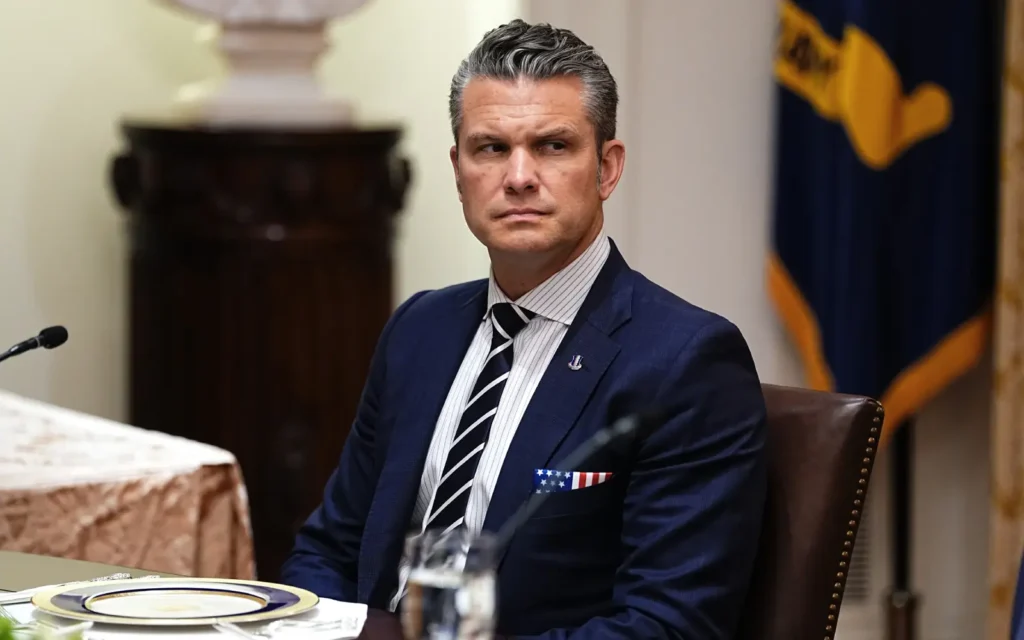
US Defense Secretary Pete Hegseth also confirmed the operation on X, praising the Pentagon’s readiness to act in Nigeria and expressing appreciation for what he described as strong cooperation from the Nigerian government.
The attack marks the first confirmed US military strike on Nigerian soil under Trump’s current presidency. It follows months of increasingly sharp rhetoric from the Republican leader, who in October and November accused Nigeria of failing to protect Christians, claiming they face an “existential threat” amounting to “genocide.”
While Trump’s stance has been welcomed by some groups, others have warned that such framing risks inflaming religious tensions in Africa’s most populous nation, which has a history of sectarian violence.
The Nigerian government, along with several independent security analysts, has consistently rejected narratives that portray the country’s insecurity as targeted religious persecution, arguing instead that terrorism and criminal violence affect communities across religious lines.

Despite this, Trump has continued to spotlight what his administration describes as global persecution of Christians, insisting that Washington is prepared to use military force in Nigeria to counter such killings.
Earlier this year, the United States re-listed Nigeria as a country of “particular concern” over religious freedom and imposed new restrictions on the issuance of US visas to Nigerian citizens.
What you should know
The reported US strikes in Nigeria reflect a sharp escalation in Washington’s approach to Nigeria’s security crisis under President Trump.
While US officials say the operation was carried out at Nigeria’s request and targeted Islamic State militants, the framing of the violence as primarily anti-Christian remains contentious. Nigerian authorities and many analysts argue that insurgency in the country is driven by terrorism, banditry, and organised crime rather than a singular religious agenda.
The strikes also raise questions about sovereignty, long-term counterterrorism cooperation, and whether foreign military involvement could ease or deepen Nigeria’s internal security challenges.