The Federal Government has announced the reopening of 47 unity schools that were earlier shut down over security concerns, following improvements in safety measures around the affected institutions.
The development was disclosed in a statement released on Thursday by the Federal Ministry of Education, which said the move reflected the government’s firm commitment to protecting students and sustaining uninterrupted learning nationwide.
According to the ministry, academic activities have fully resumed across the reopened colleges after security architecture within and around the schools was strengthened. It noted that students have returned safely, with many already rounding off their December academic programmes, while others have successfully completed their examinations.
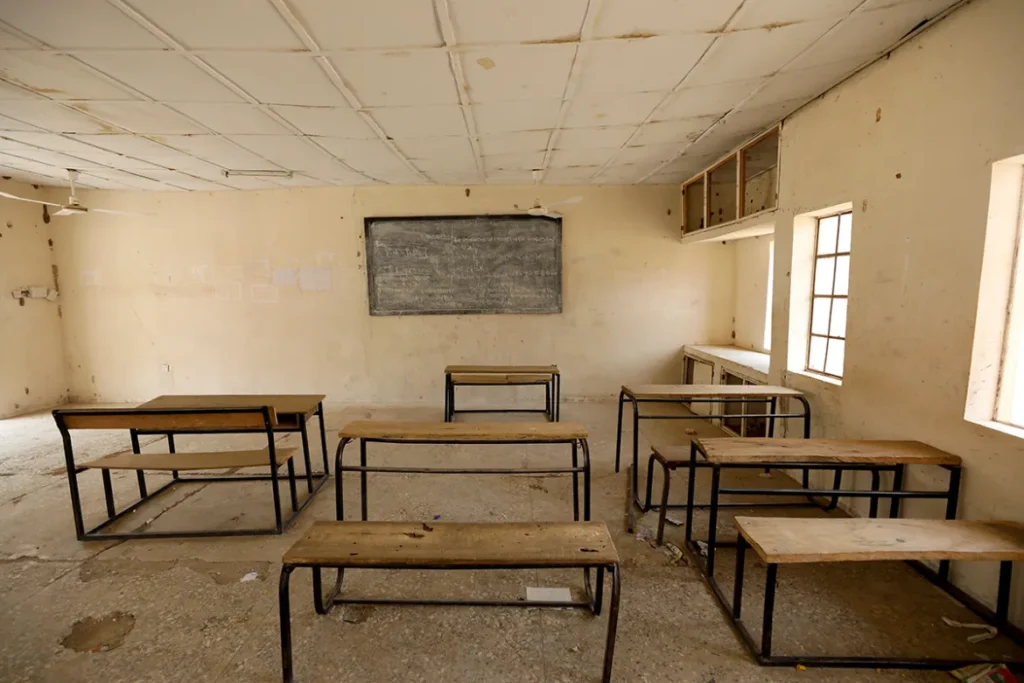
“After the strengthening of security architecture within and around the affected schools, academic activities have fully resumed. Students have returned safely to their campuses, with many currently concluding their December academic programmes, while others have successfully completed their examinations,” the statement, signed by the Director of Press and Public Relations, Boriowo Folasade, read in part.
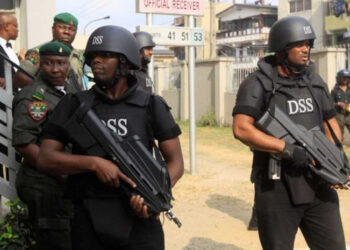
The ministry assured parents, guardians and the general public that the safety, welfare and well-being of students remain a top priority for the government. It added that authorities are working closely with relevant security agencies to sustain stability and restore normalcy within school environments across the country.
“The Federal Government remains resolute in its responsibility to protect every Nigerian child and to uphold their fundamental right to education in a safe and secure environment,” the statement said, stressing that the current administration places strong emphasis on human capital development and recognises education as a critical pillar for national growth and development.
It further noted that the safe return of students and the successful conduct of examinations in several unity colleges demonstrate the government’s resolve to keep learning on track despite prevailing security challenges.
The reopening follows an earlier directive issued on November 21 for the closure of 41 Federal Unity Colleges due to rising insecurity in different parts of the country. The decision, conveyed through a circular from the Federal Ministry of Education, affected schools across the North-West, North-East, North-Central and parts of the South.
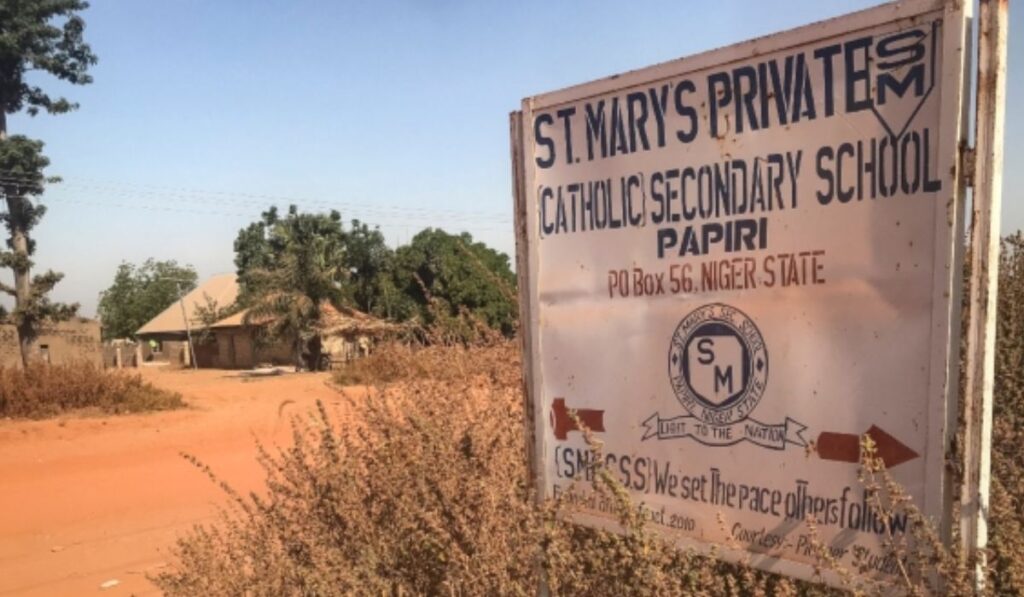
The closures were prompted by renewed security threats, including mass abductions of students and teachers in several states. In Niger State, gunmen attacked St. Mary’s Primary and Secondary School in Papiri, abducting over 300 pupils and teachers, while Kebbi State recorded the kidnapping of more than 20 schoolgirls in Maga town. These incidents were part of a troubling pattern of attacks on schools, recalling earlier cases such as the 2014 abduction of students in Chibok, Borno State.
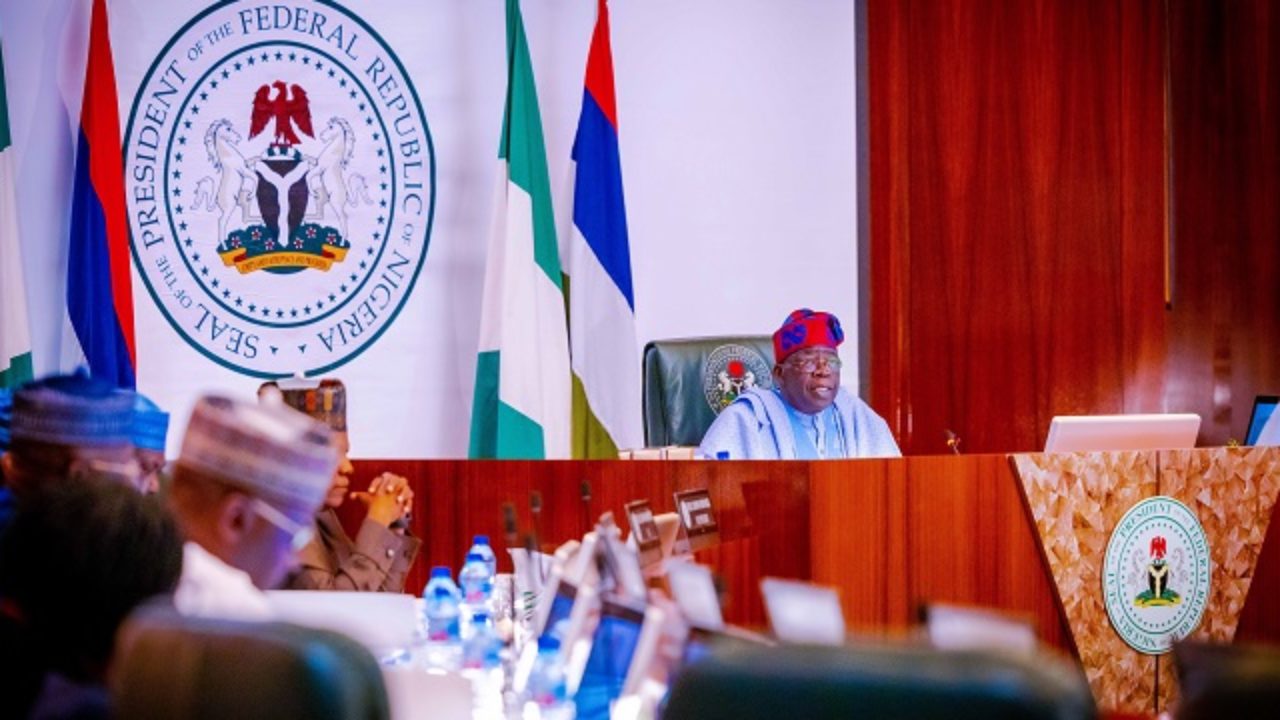
In response to the escalating threats at the time, President Bola Tinubu directed the Minister of State for Defence, Bello Matawalle, to relocate to Kebbi to oversee rescue operations and also postponed planned foreign trips. The surge in school attacks had intensified insecurity across northern states and triggered urgent calls for coordinated action by security agencies.
What you should know
The reopening of the unity schools signals the Federal Government’s attempt to balance security concerns with the need to maintain academic continuity.
After weeks of closures triggered by mass abductions and attacks on schools, authorities say enhanced security measures now make it safe for students to return.
The move reassures parents and the public that education remains a priority, even amid insecurity, while highlighting ongoing collaboration between education and security agencies to prevent further disruptions.