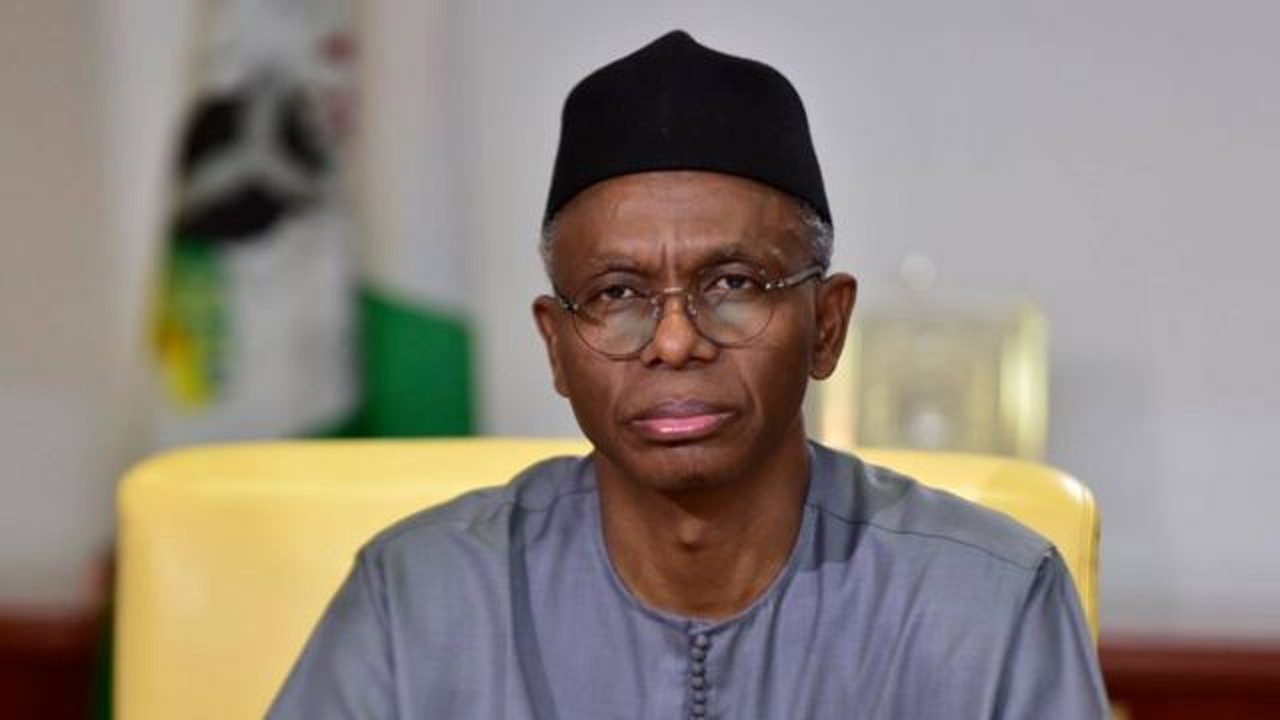
Former Kaduna State Governor, Nasir El-Rufai, has rejected as false a widely circulated report claiming that he declared which region should produce Nigeria’s president in 2027.
The former governor, now a chieftain of the African Democratic Congress, reacted to social media posts alleging that he said it was the South’s turn to produce the next president. The same reports also insinuated that he was throwing his weight behind the Labour Party’s 2023 presidential candidate, Peter Obi, rather than former Vice President Atiku Abubakar.
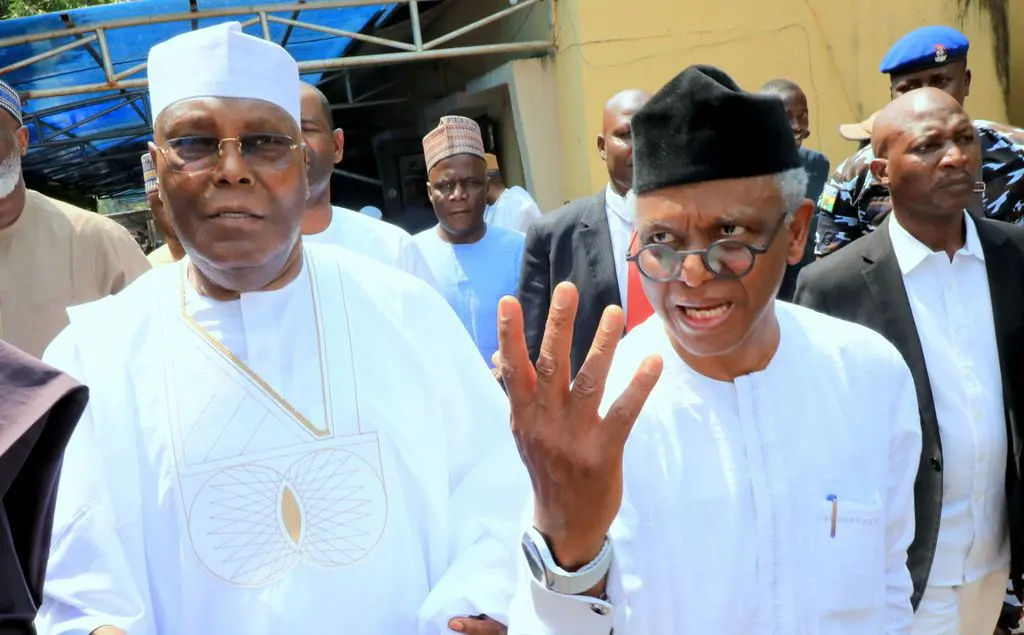
In a statement released on Monday via his verified X account, El-Rufai dismissed the report as “untrue” despite its widespread circulation. He stressed that he never made such comments in any public speech, media engagement, or on any of his official social media platforms.
“My attention has been drawn to a trending fake news item alleging that I specified which region of the country should produce the president in 2027.
“This claim is untrue, despite its virality. I did not make such a statement in any of my speeches, interviews or social media posts. I maintain verifiable social media platforms where I speak my mind and express my personal views directly.
“It is also wrong and improper to attribute to me opinion articles written by other authors, even when I share such articles on my platforms as contributions to the national conversation.
“These clarifications are crucial as we confront both irresponsible politicking and the deliberate misuse of social media for the spread of fake news.
“The wilful attribution to me of claims I did not make by fake news platforms is no justification for treating such platforms with any seriousness.”
El-Rufai further urged journalists, editors, and the general public to prioritise verification before sharing information, warning that misinformation undermines public trust and weakens democratic discourse.
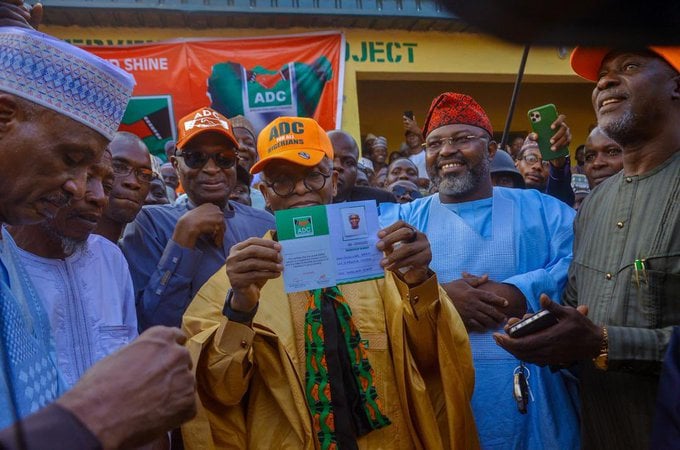
“In this age of turmoil and falsehood, the obligation to verify information before posting or publishing has become more important than ever. In this instance, it appears that some senior editors ignored this duty.
“Society stands to lose when media leaders align with the most irresponsible actors on social media in what can only be described as the unedifying Olympics of fiction and fakery. Everyone must live up to their responsibility.
“I wish to reiterate that no views should be attributed to me unless I have explicitly expressed them on my official social media platforms or during interviews with reputable media organisations,” he added.
What you should know
Nasir El-Rufai has repeatedly positioned himself as outspoken on national issues, often using his verified platforms to communicate directly with the public.
His latest response reflects growing concern among political figures over misinformation ahead of the 2027 elections. With social media increasingly shaping political narratives in Nigeria, false attributions and speculative reporting are becoming more frequent.
El-Rufai’s statement highlights the responsibility of both media professionals and online users to verify claims, especially those capable of influencing political alignments and public opinion during a sensitive pre-election period.