Biography and Early Life
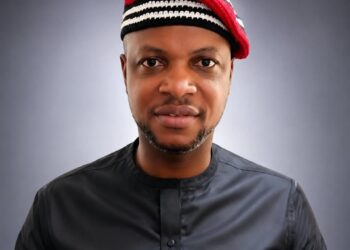
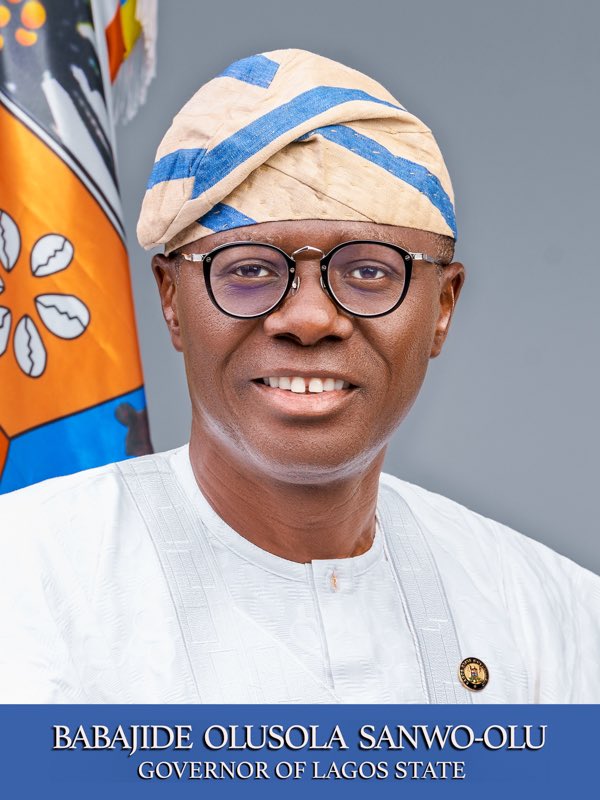
Babajide Olusola Sanwo-Olu was born on June 25, 1965, in Lagos State, Nigeria. Growing up in Lagos, Nigeria’s commercial capital and most populous city, Sanwo-Olu witnessed firsthand the opportunities and challenges of urban Nigeria, its economic dynamism alongside infrastructure deficits, its cosmopolitan diversity alongside social inequalities.
His upbringing in Lagos instilled an understanding of the complexities of governing Africa’s largest city, where millions navigate daily challenges of transportation, housing, security, and public services. These early experiences would later inform his approach to governance when he became Lagos State’s governor.
Educational Background
Sanwo-Olu’s educational journey reflects strong academic foundations in technical and management fields:
Secondary Education: He briefly attended Government Demonstration School, Gbaja in Surulere, Lagos, before completing his secondary education at Ijebu-Ife Grammar School in Ogun State.
University of Lagos (UNILAG): He earned a Bachelor of Science degree in Surveying and Geo-Informatics from the University of Lagos, providing technical grounding in spatial data and land management—skills relevant to urban planning and development.
Master of Business Administration: He obtained an MBA from the University of Lagos, deepening his business management expertise.
Executive Education: Sanwo-Olu attended executive programs at prestigious international institutions:
- Harvard Kennedy School of Government: Executive education in public leadership and governance
- London Business School: Advanced management programs
- Lagos Business School: Executive education programs
Professional Qualifications: He is a full member of the Chartered Institute of Personnel Management (CIPM), a member of the Nigerian Institute of Directors (IOD), and a Fellow of the Nigerian Institute of Training and Development (NITAD).
This combination of technical education, business training, and executive development positioned Sanwo-Olu for leadership roles in both private and public sectors.
Banking and Private Sector Career
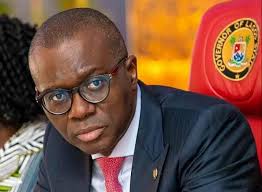
Before entering public service, Sanwo-Olu built an extensive career in Nigeria’s banking sector:
Lead Merchant Bank (1994-1997): Served as Treasurer, gaining experience in treasury operations and financial management during Nigeria’s banking sector growth period.
United Bank for Africa (UBA) (1997-2000s): Moved to UBA, one of Nigeria’s leading banks, as Head of Foreign Money Market, managing foreign exchange operations and international transactions.
First Inland Bank/First City Monument Bank (FCMB): Subsequently joined First Inland Bank Plc (now First City Monument Bank), where he rose to Deputy General Manager and Divisional Head—a senior executive position demonstrating his banking sector competence.
Corporate Leadership: He later became Chairman of Baywatch Group Limited and First Class Group Limited, leveraging his banking experience in corporate leadership roles.
His approximately decade-long banking career provided Sanwo-Olu with financial management expertise, strategic thinking, and corporate governance experience that would prove valuable in public administration.
Entry into Public Service
Special Adviser (2003-2004)
In 2003, Sanwo-Olu transitioned from banking to public service when he was appointed Special Adviser on Corporate Matters to Deputy Governor Femi Pedro under Governor Bola Tinubu’s administration. This role introduced him to Lagos State government operations and political dynamics.
He later became Special Adviser on Corporate Matters to Governor Tinubu himself in 2004, demonstrating confidence in his capabilities.
Acting Commissioner for Economic Planning and Budget (2004-2005)
At just 39 years old, Sanwo-Olu was appointed Acting Commissioner for Economic Planning and Budget from 2004 to 2005, a remarkable achievement, making him one of Lagos State’s youngest commissioners. This position involved:
- Fiscal strategy and budgetary planning
- Resource allocation across government agencies
- Economic policy formulation
- Performance monitoring
His performance in this role established his reputation as a competent technocrat.
Commissioner for Commerce and Industry (2007)
Following his exceptional performance as Acting Commissioner, Governor Tinubu appointed him substantive Commissioner for Commerce and Industry in 2007. In this capacity, he oversaw:
- Trade policies and industrial development
- Business environment improvement
- Investment attraction initiatives
- Commercial sector regulation
Commissioner for Establishments, Training and Pensions (2007-2011)
After the 2007 elections, Governor Babatunde Fashola appointed Sanwo-Olu as Commissioner for Establishments, Training, and Pensions. His tenure was marked by significant reforms:
Civil Service Framework: Authored an executable Civil Service Framework designed around the Human Capital Performance Index, which positioned Lagos State civil servants among the highest and most regularly paid in Nigeria.
Lagos State Pension Commission (LASPEC): Instrumental in establishing LASPEC, implementing a contributory pension scheme even ahead of federal government adoption, a pioneering reform in state-level pension management.
LAGBUS System: The LAGBUS public transport system was established under his directives, complementing the Bus Rapid Transit (BRT) network.
Control & Command Centre: Helped establish the Control & Command Centre in Alausa, Ikeja, a centralized security monitoring and coordination facility.
Lagos Security Trust Fund: Set up and served as Pioneer Board Chairman of Lagos Security Trust Fund, a public-private partnership funding security improvements.
Privatization Projects: Supervised Bureau of Public Enterprises (BPE) privatization projects in Lagos State.
Managing Director/CEO, Lagos State Development and Property Corporation (2016-2018)
Governor Akinwunmi Ambode appointed Sanwo-Olu as Managing Director/CEO of Lagos State Development and Property Corporation (LSDPC) in 2016. In just two years, he:
- Returned the previously struggling organization to efficiency and profitability
- Refocused LSDPC to tackle Lagos’s housing deficit
- Demonstrated resourceful leadership and problem-solving capabilities
This role immediately preceded his gubernatorial campaign, showcasing his executive management abilities.
Governor of Lagos State (2019-Present)
2019 Gubernatorial Campaign and Election
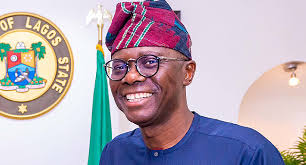
On September 16, 2018, Sanwo-Olu formally declared his intention to contest for Lagos State governor under the All Progressives Congress (APC) platform. His candidacy generated significant interest as he challenged incumbent Governor Akinwunmi Ambode for the party’s ticket, an unusual situation in Lagos APC politics.
Sanwo-Olu’s candidacy received strong backing from key stakeholders, including the Governor’s Advisory Council and the Lagos State House of Assembly. This support led to Obafemi Hamzat, who had also declared interest, withdrawing and eventually becoming Sanwo-Olu’s running mate.
On October 2, 2018, Sanwo-Olu won the APC gubernatorial primary, defeating incumbent Governor Ambode, a dramatic upset that demonstrated the power of party machinery and stakeholder consensus in Lagos politics.
In the March 9, 2019 gubernatorial election, Sanwo-Olu won decisively, defeating PDP candidate Jimi Agbaje with 739,445 votes (approximately 75.6%) against Agbaje’s 206,141 votes. He was sworn in as the 15th Governor of Lagos State on May 29, 2019, at Tafawa Balewa Square.
Governance Philosophy: “THEMES Agenda”
Sanwo-Olu branded his administration with the “THEMES Agenda,” an acronym representing his six development pillars:
- Traffic Management and Transportation
- Health and Environment
- Education and Technology
- Making Lagos a 21st Century Economy
- Entertainment and Tourism
- Security and Governance
Infrastructure Development
Roads and Transportation: Sanwo-Olu’s administration has constructed and rehabilitated numerous roads across Lagos State, including the Oshodi-Abule-Egba BRT Lane and various inter-state and intra-state road projects.
Lagos Rail Mass Transit (Blue Line): The Blue Line rail project became operational during his tenure, with the first phase inaugurated in 2023. Three additional train sets were unveiled on May 22, 2025, at the National Theatre Station, expanding service capacity.
Green Line Rail Project: Advancing the ₦1.05 trillion Green Line Rail project to extend rail coverage across the Lagos metropolis.
Omi Eko Water Transport: Launched the €410 million Omi Eko project on October 19, 2025, to integrate water transport with technology for seamless mobility, reduced emissions, and improved air quality through jetties and ferry services.
Airport and Aviation: Continued development of aviation infrastructure at Murtala Muhammed International Airport alongside federal authorities.
Housing and Urban Development
30-Year Strategic Plan: Introduced a 30-year strategic plan (2022-2052) for land administration and real estate development.
Digital Land Management: Advanced digital innovations in land management by May 2025 to modernize urban planning processes.
Housing Projects: On October 8, 2025, 420 housing units were unveiled in Ajara, Badagry, as part of a broader residential infrastructure to address Lagos’s housing deficit.
Urban Renewal: Continuing urban renewal efforts across the Lagos metropolis to improve aesthetics and functionality.
Industrial and Economic Development
Monarch Alloys 3LPE Plant: Commissioned the Monarch Alloys 3LPE (Three-Layer Polyethylene) plant in Ikorodu in 2025, supporting manufacturing and industrial growth.
Investment Attraction: Working to position Lagos as an attractive investment destination through improved business environment and infrastructure.
Economic Recovery: Navigating Lagos through COVID-19 economic impacts and national economic challenges.
Education and Healthcare
Education Investment: Rehabilitating schools, improving teachers’ welfare, and integrating technology in education delivery.
Healthcare Upgrades: Remodeling and equipping healthcare facilities across Lagos’s 20 local government areas and 37 Local Council Development Areas (LCDAs).
COVID-19 Response: Led Lagos’s response to the COVID-19 pandemic, establishing isolation centers and managing one of Nigeria’s most aggressive testing and treatment programs.
2023 Re-election
In the March 11, 2023 gubernatorial election, Sanwo-Olu was re-elected for a second term, defeating Labour Party’s Gbadebo Rhodes-Vivour and PDP’s AbdulAzeez “Jandor” Adediran. His re-election affirmed continued public support despite controversies during his first term.
The #EndSARS Crisis and Lekki Tollgate Shooting (October 2020)
The most defining and controversial event of Sanwo-Olu’s governorship occurred during the October 2020 #EndSARS protests against police brutality.
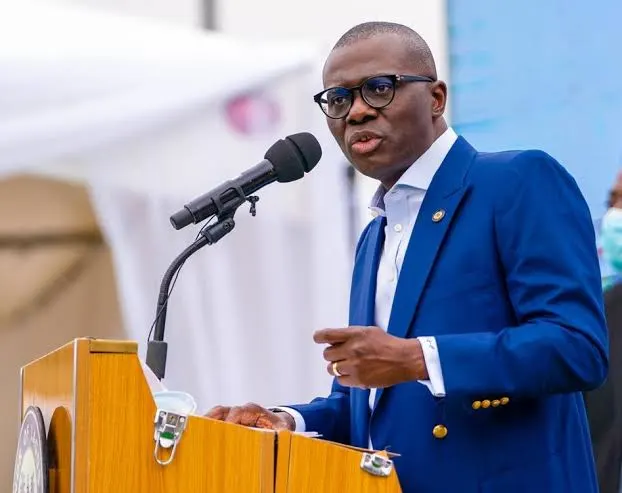
Background
In October 2020, young Nigerians across the country protested against police brutality, demanding the disbandment of the Special Anti-Robbery Squad (SARS), a notorious police unit. The Lekki Tollgate in Lagos became a major protest hub.
October 20, 2020 Incident
On October 20, 2020, Governor Sanwo-Olu announced a curfew starting at 4 p.m. (later extended to 9 p.m.). Despite the curfew, protesters remained at Lekki Tollgate. At approximately 6:50 p.m., Nigerian Army soldiers opened fire on unarmed protesters sitting peacefully, waving Nigerian flags, and singing the national anthem.
Initial Response and Denials
Governor’s Initial Statement: Sanwo-Olu initially stated that no fatalities were recorded, later claiming only two deaths. He attributed the shooting to “forces beyond our direct control.”
Army Denials: The Nigerian Army initially denied involvement, calling reports “fake news,” but later admitted deploying soldiers with both live and blank ammunition.
Judicial Panel and Findings
Governor Sanwo-Olu established a Judicial Panel of Inquiry to investigate the incident. On November 15, 2021, the panel submitted a 309-page report concluding:
“Massacre” Determination: The panel described the incident as a “massacre,” finding that soldiers “shot, injured and killed unarmed, helpless and defenseless protesters, without provocation or justification.”
Casualty Numbers: At least 48 protesters were shot dead, injured, or assaulted. Amnesty International stated that at least 12 protesters were killed.
Army Invitation: Critically, the panel found that the Nigerian Army was invited to Lagos State by the Lagos State government through the governor, contradicting Sanwo-Olu’s claims of having no control over military deployment.
Recommendations: The panel recommended prosecution of officers involved, compensation for victims, public apology, and memorialization of the site.
Aftermath and Controversies
Compensation: In 2024, reports confirmed that over ₦100 million was paid to victims and families, though this came after repeated denials of the massacre.
Mass Burial: On July 23, 2023, Governor Sanwo-Olu approved mass burial of 103 protesters who lost their lives during the #EndSARS incident.
Continuing Controversy: The Lekki shooting remains deeply controversial, with questions about Sanwo-Olu’s role, responsibility, and truthfulness regarding military deployment and casualty numbers.
Political Impact: The incident significantly damaged Sanwo-Olu’s reputation, particularly among youth who were central to the #EndSARS movement. Despite this, he secured re-election in 2023.
Personal Life
Babajide Sanwo-Olu is married to Dr. Ibijoke Sanwo-Olu, a medical doctor and healthcare administrator. They have four children together. Dr. Ibijoke serves as the First Lady of Lagos State and is involved in various social welfare and healthcare initiatives.
Sanwo-Olu is a Christian and has occasionally referenced his faith in public statements. He is known for his relatively low-key personality compared to some Nigerian politicians, preferring to emphasize technocratic competence over flamboyant displays.
Awards and Recognition
- Platinum Award from Lagos State Public Service Club
- 2009 Best in Human Capital Development Award from Industrial Training Fund (ITF)
- Merit Awards from the Association of National Accountants of Nigeria, the Chartered Institute of Personnel Management (CIPMN), and the Association of Professional Women Engineers (APWEN)
- LSDPC Impactful Leadership and Recognition Award
- Media Nite-Out Award for Best Governor of the Year (2020)
- Special Guest of Honour Award from Ikoyi Club 1938 Table Tennis (2025)
Legacy and Assessment
Sanwo-Olu’s governorship presents a complex legacy still being written:
Achievements
Infrastructure Delivery: Delivered tangible infrastructure, including rail projects, roads, and water transport systems, addressing Lagos’s mobility challenges.
Technocratic Governance: Brought private sector efficiency and management approaches to public service.
COVID-19 Management: Led relatively effective state-level pandemic response despite federal coordination challenges.
Pension Reform Legacy: Earlier contributions to LASPEC and civil service reforms continue benefiting Lagos workers.
Housing and Urban Development: Advancing a systematic approach to Lagos’s housing deficit and urban planning challenges.
Economic Hub Positioning: Working to maintain and enhance Lagos’s status as West Africa’s economic hub.
Controversies and Criticisms
Lekki Tollgate Massacre: The October 20, 2020, shooting remains the most serious stain on his governorship. The judicial panel’s finding that he invited the military, combined with his initial denials of casualties, raises profound questions about accountability and truthfulness.
Traffic and Transportation: Despite rail and BRT investments, Lagos’s traffic congestion remains severe, affecting millions daily.
Flooding and Environmental Issues: Lagos continues experiencing severe flooding during rainy seasons, with inadequate drainage infrastructure.
Housing Crisis: Despite projects, Lagos’s housing deficit continues growing faster than new housing delivery.
Cost of Living: Lagos residents face extreme cost-of-living challenges, with the state government struggling to address economic hardships.
Accountability Questions: Questions persist about transparency in contract awards and project costs.
Balanced Perspective
Babajide Sanwo-Olu represents technocratic governance in Lagos, bringing banking sector experience and management expertise to public service. His administration has delivered tangible infrastructure, particularly rail projects that previous governments promised but didn’t complete. His civil service reforms from earlier tenures continue benefiting state employees.
However, the Lekki Tollgate massacre overshadows these achievements. The judicial panel’s finding that he invited the military while publicly claiming helplessness, combined with initial casualty denials, raises serious questions about integrity and accountability. The subsequent compensation payments, after denying that deaths occurred, further complicate the narrative.
His re-election in 2023 despite the Lekki controversy demonstrates either public forgiveness, superior political machinery, or the weakness of opposition, likely some combination of all three.
Whether remembered primarily as an infrastructure-delivering technocrat or as a governor under whose watch peaceful protesters were massacred by the military he invited will depend on how history weighs these competing narratives.
Babajide Olusola Sanwo-Olu’s journey from banker to multiple-time commissioner to governor represents a technocratic path to leadership increasingly common in contemporary Nigerian politics. His extensive public service experience before governorship is unique among recent Lagos governors, providing preparation that manifests in a systematic approach to governance and infrastructure delivery. The Blue Line rail becoming operational, the Omi Eko water transport launch, and hundreds of road projects represent tangible achievements addressing Lagos’s legendary infrastructure deficits. Yet October 20, 2020, looms large—the night Nigerian soldiers shot peaceful protesters at Lekki Tollgate, killing at least 12 and injuring many more, on a governor’s invitation, who then denied both the invitation and the casualties. This singular event, more than any infrastructure achievement, may define Sanwo-Olu’s historical legacy, serving as a tragic reminder that in governance, how leaders respond in crisis often matters more than what they build in peacetime. His continuing governorship, infrastructure delivery, and political survival despite Lekki demonstrate both the possibilities and profound moral complexities of technocratic leadership in Nigeria’s challenging political environment.