Biography and Early Life
Godswill Obot Akpabio was born on December 9, 1962, in Ukana, Ikot Ntuen, Essien Udim Local Government Area of Akwa Ibom State, Nigeria. Godswill Akpabio hails from the Annang ethnic group, one of the three major ethnic groups in Akwa Ibom State (alongside Ibibio and Oron). Growing up in the oil-rich Niger Delta region, Akpabio witnessed firsthand both the wealth generated by Nigeria’s petroleum resources and the underdevelopment and environmental challenges faced by oil-producing communities.
His upbringing in Akwa Ibom State, carved out of Cross River State in 1987, positioned him to later play significant roles in the young state’s political development. The Niger Delta’s complex dynamics—oil wealth, environmental degradation, militancy, and political struggles for resource control—would form important context for his political career.
Educational Background
Godswill Akpabio’s educational path led him to legal practice:
University of Calabar: Earned his Bachelor of Laws (LL.B) degree from the University of Calabar in neighboring Cross River State, one of the region’s prominent universities.
Nigerian Law School: After completing his law degree, Akpabio attended the Nigerian Law School and was called to the Nigerian Bar, qualifying as a legal practitioner in Nigeria.
Legal Practice: Practiced law for several years before transitioning into full-time politics, gaining experience that would later inform his approach to governance and legislative work.
This legal background provided Akpabio with understanding of constitutional issues, legislative processes, and the legal frameworks governing Nigerian politics—skills he would utilize throughout his political career.
Early Career and Entry into Politics
Before entering elective politics, Akpabio built a career in law and local government:
Legal Practice: Established a law practice in Akwa Ibom State, building a professional reputation and client base.
Local Government Chairman: Served as Chairman of Ikot Ekpene Local Government Area, gaining his first executive experience and building political networks within Akwa Ibom State.
PDP Politics: Became active in the People’s Democratic Party (PDP) during its formation and rise to dominance in the late 1990s and early 2000s.
Political Networking: Built relationships with key political figures in Akwa Ibom State and nationally, positioning himself for higher office.
Commissioner for Petroleum and Natural Resources (2002-2006)
Akpabio’s rise in Akwa Ibom politics accelerated when Governor Victor Attah appointed him Commissioner for Petroleum and Natural Resources:
Strategic Portfolio: This position was crucial given Akwa Ibom’s status as major oil-producing state, involving negotiations with oil companies and federal government over resource allocation.
Visibility: The role gave Akpabio visibility and experience managing one of the state’s most important sectors.
Political Positioning: Used the position to build political capital and position himself for gubernatorial succession.
Policy Experience: Gained experience in energy sector policy, resource management, and dealing with federal agencies.
Governor of Akwa Ibom State (2007-2015)
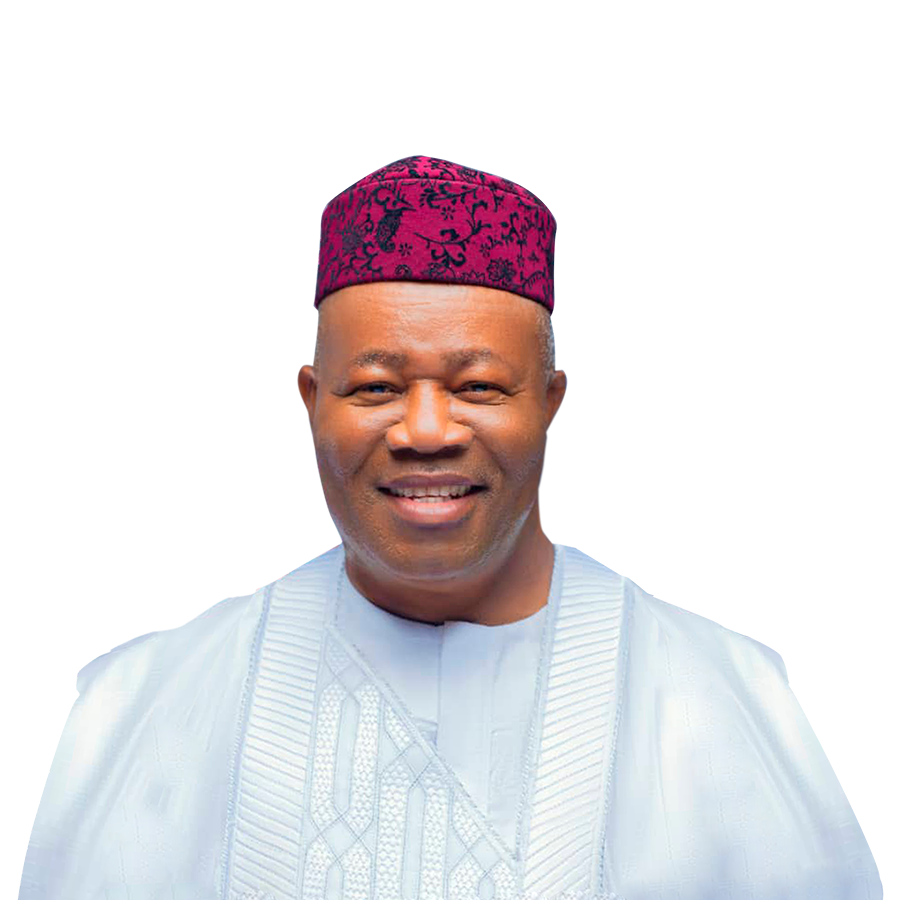
Akpabio’s political prominence came when he was elected Governor of Akwa Ibom State in 2007, serving two full terms until 2015. His governorship became one of the most discussed in Nigeria’s Fourth Republic—both praised and criticized intensely.
“Uncommon Transformation” Agenda
Akpabio branded his administration with the slogan “Uncommon Transformation,” emphasizing massive infrastructure development:
Infrastructure Projects: His administration embarked on extensive infrastructure development:
- Construction of numerous roads and bridges across Akwa Ibom
- Urban renewal in Uyo, the state capital
- Built the Ibom International Airport (later named Victor Attah International Airport)
- Constructed the Ibom Tropicana Entertainment Centre
- Developed industrial layouts and estates
- Built schools, hospitals, and other public facilities
- Massive construction activities dominated his tenure
Ibom Air: In his final months, initiated plans for what would become Ibom Air, a state-owned airline that launched after his tenure.
Trophy Projects: Focused on visible, large-scale projects that generated significant attention and controversy.
International Golf Course: Built an 18-hole international standard golf course, among other leisure facilities.
Urban Transformation: Transformed Uyo’s landscape with new roads, roundabouts, and urban infrastructure.
Economic Management and Financial Questions
High Spending: Akpabio’s administration was characterized by massive spending on infrastructure and projects.
Debt Accumulation: His tenure reportedly left Akwa Ibom with significant debt, raising questions about fiscal sustainability.
Revenue Allocation: Akwa Ibom, as major oil-producing state, received substantial federal allocations, which funded the extensive projects.
Contract Awards: Questions arose about contract award processes, costs, and potential inflation of project expenses.
Financial Transparency: Critics questioned transparency in financial management, though administration defenders pointed to visible projects as evidence of prudent spending.
Political Dominance and Control
Party Control: Maintained strong control over Akwa Ibom PDP machinery, dominating political landscape.
Succession Management: Successfully installed his preferred successor, Udom Emmanuel, as governor in 2015.
Opposition Suppression: Critics accused his administration of suppressing opposition and dissenting voices.
Media Management: Maintained robust media and publicity machinery promoting his achievements.
Traditional Rulers: Built strong relationships with traditional institutions, securing their support.
Controversies During Governorship
Lavish Lifestyle: Known for ostentatious displays of wealth, expensive cars, and lavish events, drawing criticism about appropriateness for public servant.
Christmas Gifts: His practice of distributing money and gifts during Christmas, while popular with some, drew criticism as political patronage.
Fiscal Responsibility Questions: Critics questioned whether massive spending produced commensurate developmental impact.
Environmental Issues: Oil-producing communities continued facing environmental degradation despite state government’s petroleum revenue.
Accountability Concerns: Questions about accountability and transparency in governance and spending.
Political Intimidation: Allegations of using state apparatus to intimidate political opponents.
Senator Representing Akwa Ibom North-West (2015-2019, 2019-2023)
After completing two gubernatorial terms, Akpabio transitioned to the Senate:
2015 Election: Elected to Senate representing Akwa Ibom North-West Senatorial District under PDP.
Senate Minority Leader (2015-2018): Appointed Senate Minority Leader, leading PDP senators against APC majority.
Committee Positions: Served on various Senate committees leveraging his governance experience.
Legislative Activities: Sponsored and co-sponsored various bills and motions during his Senate tenure.
Defection to APC (2018)
In a dramatic move, Akpabio defected from PDP to APC in August 2018:
Political Earthquake: His defection was significant given his prominence in PDP and position as Senate Minority Leader.
Reasons Cited: Claimed he was leaving PDP due to internal crises and wanted to support President Buhari’s development agenda.
Speculation: Many observers attributed the defection to:
- Seeking federal protection from anti-corruption investigations
- Political calculations about post-Buhari era positioning
- Conflicts with Governor Emmanuel and Akwa Ibom PDP leadership
- Federal government pressure using corruption allegations
Immediate Resignation: Resigned as Senate Minority Leader following the defection.
Re-election (2019): Won re-election to Senate in 2019 under APC, defeating PDP candidate despite PDP’s continued strength in Akwa Ibom.
Minister of Niger Delta Affairs (2019-2022)
President Buhari appointed Akpabio as Minister of Niger Delta Affairs in 2019:
Strategic Appointment: The position was significant given Akpabio’s Niger Delta background and political influence.
NDDC Controversy: His tenure was dominated by massive controversy surrounding the Niger Delta Development Commission (NDDC):
- Allegations of massive corruption in NDDC operations
- Congressional investigations revealing financial irregularities
- Akpabio’s testimony before National Assembly became highly controversial
- Claims and counter-claims about who benefited from NDDC contracts
- His suggestion that National Assembly members were major NDDC beneficiaries caused political firestorm
- Public perception of his management of the ministry was largely negative
Limited Achievements: Difficult to identify significant developmental achievements during his ministerial tenure, with NDDC controversies overshadowing any positive initiatives.
Senate Investigation: The Senate investigated NDDC operations under his supervision, though investigations’ outcomes were inconclusive.
Reputation Damage: The NDDC scandals significantly damaged Akpabio’s reputation, even among previous supporters.
Resignation and Return to Senate (2022)
Senatorial Ambition: Resigned as minister in May 2022 to contest for Senate.
2023 Election: Won election as Senator representing Akwa Ibom North-West Senatorial District again, now under APC.
Political Survival: His continued electoral success despite controversies demonstrated political resilience and strong base in his senatorial district.
Senate President (2023-Present)
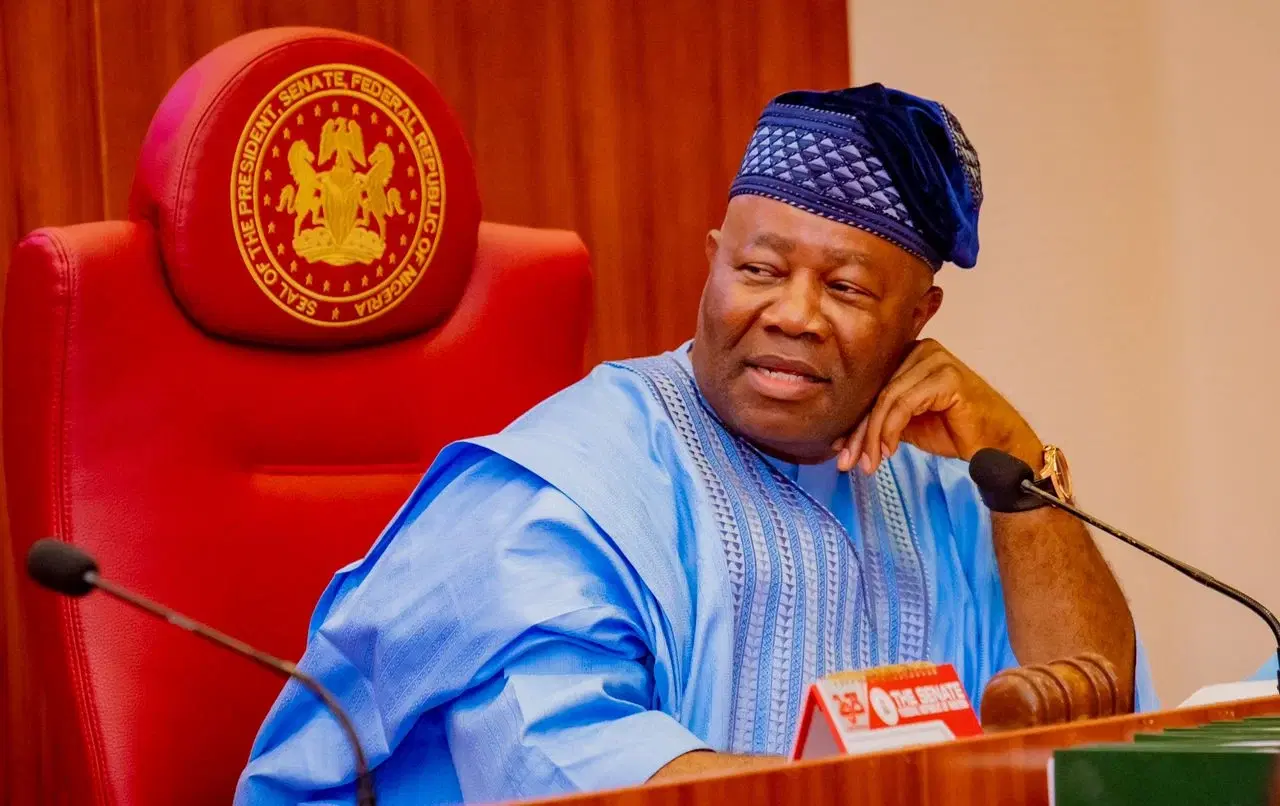
In June 2023, Akpabio achieved the pinnacle of his legislative career when he was elected Senate President of the 10th National Assembly:
Election as Senate President
APC Backing: Received strong backing from President Bola Tinubu and APC leadership for the position.
Contested Election: Defeated Senator Abdulaziz Yari in a 63-46 vote, showing divided Senate even within ruling party.
South-South Representation: His election gave the South-South geopolitical zone the Senate presidency for the first time.
Regional Balance: The election was partly about regional balancing, with Tinubu (South-West) as president and Akpabio (South-South) as Senate President.
Experience Factor: His gubernatorial and senatorial experience was cited as qualification for the leadership role.
Senate Presidency Tenure
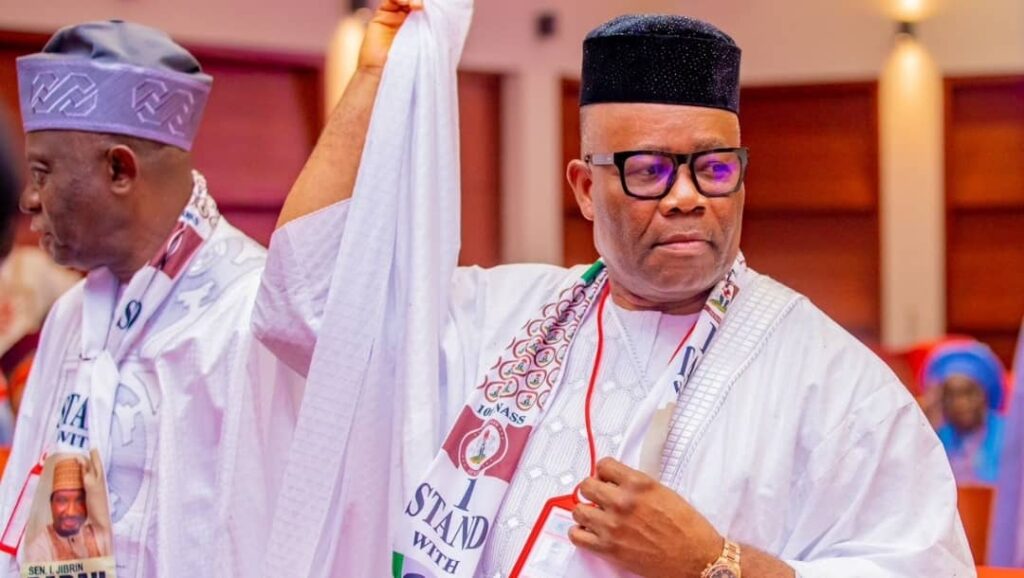
Legislative Agenda: Presiding over 10th Senate’s legislative business, including passing government’s legislative priorities.
Petroleum Industry Bill Implementation: Overseeing legislative aspects of implementing petroleum sector reforms.
Budget Processes: Managing Senate’s role in annual budget processes and appropriations.
Executive Relations: Maintaining relationships between Senate and executive branch under Tinubu administration.
Controversial Moments: His Senate presidency has featured several controversial moments:
- Verbal gaffes and statements that generated public criticism
- “Let the poor breathe” comment during subsidy removal debates
- Handling of Senate sessions and procedural issues
- Questions about Senate’s independence versus executive alignment
Challenges as Senate President
Public Perception: Struggles with negative public perception stemming from previous controversies, particularly NDDC scandal.
Communication Issues: His public statements sometimes generate controversy or ridicule on social media.
Accountability Questions: Continuing questions about transparency in National Assembly operations.
Economic Hardship Context: Presiding over Senate during period of severe economic hardship for Nigerians, making Senate appear disconnected from citizens’ realities.
Independence Questions: Perceived as very close to executive, raising questions about Senate’s independence and oversight functions.
Personal Life
Godswill Akpabio is married to Ekaette Unoma Akpabio, and they have children together. His wife was active as First Lady of Akwa Ibom State during his governorship, involved in various social welfare programs.
Akpabio is known for his flamboyant personality, love of expensive clothes and accessories, and ostentatious lifestyle. He is a Christian and frequently references religious faith in public statements. His speaking style combines English with occasional use of Pidgin English and local expressions, sometimes resulting in memorable or controversial statements.
Accomplishments and Recognition
Infrastructure Development: Undeniably transformed Akwa Ibom’s physical infrastructure during his governorship, particularly in Uyo.
Airport Construction: Ibom International Airport stands as significant achievement providing international connectivity.
Political Longevity: Sustained political relevance across three decades, adapting to changing political circumstances.
Legislative Leadership: Rose to become Senate President, one of Nigeria’s most powerful political positions.
Electoral Success: Consistently won elections despite controversies, demonstrating political skill and base support.
South-South Representation: Brought Senate presidency to South-South geopolitical zone.
Criticisms and Controversies
NDDC Scandal: The Niger Delta Development Commission corruption allegations remain his most damaging controversy.
Fiscal Management: Questions about debt accumulation and financial management during governorship.
Ostentatious Lifestyle: Criticism of lavish lifestyle and displays of wealth while citizens face poverty.
Party Defection: His PDP-to-APC defection seen by many as opportunistic rather than principled.
Accountability Deficit: Persistent questions about transparency and accountability in all positions held.
Public Insensitivity: Some public statements perceived as insensitive to citizens’ hardships.
Corruption Allegations: Various allegations of corruption throughout career, though few prosecutions.
Senate Independence: Questions about whether his Senate leadership maintains adequate independence from executive.
Legacy and Assessment
Supporters View Him As:
- Effective infrastructure developer who transformed Akwa Ibom
- Politically skilled operator who has maintained relevance across decades
- Strong regional advocate for South-South interests
- Experienced administrator who brought governance knowledge to Senate leadership
- Survivor who overcame opposition and controversy through political skill
Critics Argue:
- His infrastructure focus came at expense of fiscal sustainability and social development
- Embodies worst aspects of Nigerian politics—ostentatious wealth, alleged corruption, lack of accountability
- NDDC scandal epitomizes mismanagement of Niger Delta resources
- Party defection showed opportunism over principle
- Senate presidency prioritizes executive relationships over legislative independence
- Lavish lifestyle while constituents struggle reflects disconnect from ordinary Nigerians
Balanced Perspective: Godswill Akpabio represents a particular archetype in Nigerian politics—the infrastructure-focused executive who delivers visible projects while facing persistent questions about financial management and accountability. His Akwa Ibom governorship undeniably transformed the state’s physical landscape, particularly Uyo, though at significant fiscal cost and with questions about sustainability. His political longevity—surviving defection, controversies including NDDC scandal, and rising to Senate presidency—demonstrates exceptional political skill and resilience. However, his career also embodies challenges of Nigerian governance: ostentatious displays of wealth amid poverty, accountability deficits, and political maneuvering seemingly prioritized over consistent principle. His legacy will be debated between those who value his infrastructure achievements and those who emphasize governance failures and alleged corruption.
Current Status and Influence
As of 2025, serving as Senate President, Akpabio remains one of Nigeria’s most powerful politicians:
Legislative Authority: Presides over Senate, controlling legislative agenda and processes.
Political Influence: Maintains significant influence in Akwa Ibom State and South-South region.
National Visibility: High national visibility through Senate presidency role.
APC Leadership: Key figure in APC leadership structure.
Future Prospects: His political future likely depends on maintaining current position through legislative term and navigating post-Tinubu political landscape.
Godswill Akpabio’s political journey from local government chairman to commissioner to two-term governor to senator to minister to Senate President represents one of contemporary Nigeria’s most successful political careers in terms of offices held and positions achieved. His “Uncommon Transformation” agenda in Akwa Ibom produced undeniable infrastructure, particularly the international airport and urban renewal in Uyo, even as questions about fiscal sustainability and debt burden persist. His survival of the NDDC scandal to reach Senate presidency demonstrates either exceptional political skill or the failure of Nigeria’s accountability systems—or both. His ostentatious lifestyle and alleged corruption make him controversial, while his infrastructure achievements and political longevity make him undeniably significant. Whether remembered primarily as infrastructure developer or as symbol of governance failures and alleged corruption will depend partly on how his Senate presidency concludes and whether outstanding accountability questions are ever adequately addressed. What seems certain is that Godswill Akpabio has been and remains one of Nigeria’s most politically successful if ethically controversial figures, embodying both the possibilities of determined political ambition and the accountability challenges that plague Nigerian governance.