Summary
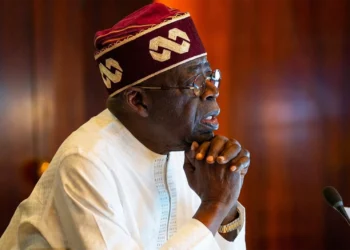
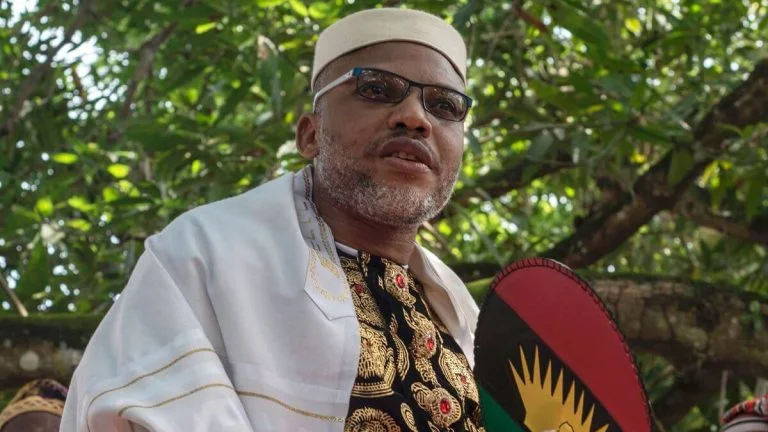
The South-East caucus of the House of Representatives has called on President Bola Tinubu to extend a presidential pardon to the detained leader of the Indigenous People of Biafra (IPOB), Nnamdi Kanu.
According to the lawmakers, granting Kanu a pardon would create room for broader dialogue between the Federal Government, elected representatives, and community leaders across the region, paving the way for lasting tranquillity.
In a statement released on Monday after their meeting, the legislators noted that Nigeria, at crucial periods in its history, has often relied on compassionate presidential gestures to mend rifts and strengthen unity.
They highlighted Section 175 of the Nigerian Constitution, saying, “Indeed, the authors of our constitution conceived of Section 175 in anticipation that the bare dictates of the law may sometimes prove insufficient in tackling complex legal issues that are better handled politically via Presidential discretion.”
The caucus emphasized that a presidential show of mercy would be widely viewed as an act of justice, inclusion, and leadership that places reconciliation above division.
“It is our belief that an act of clemency by the President would resonate deeply across the country as a symbol of inclusiveness, fairness, and leadership that prioritises healing over division. It would send a clear message that dialogue is still possible, even in difficult circumstances,” the lawmakers stated.
They further argued that freeing Kanu would create opportunities for constructive engagements involving the Federal Government, regional leaders, and local stakeholders, all working toward a stable and peaceful outlook for the South-East.
“In the spirit of national healing, unity, and responsible leadership, we respectfully urge the President to consider this request as an investment in Nigeria’s long-term peace and cohesion,” they appealed.
Growing Regional Strain
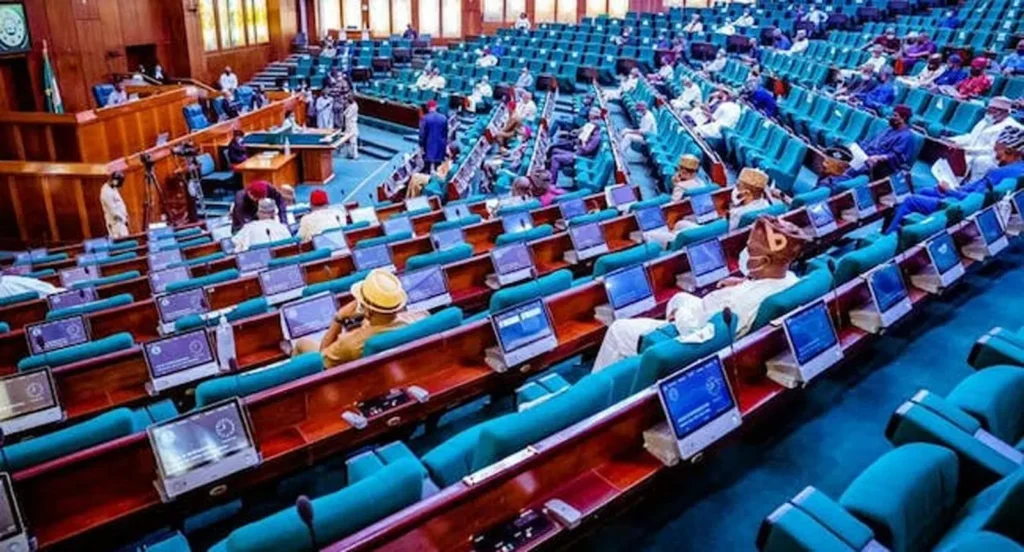
The legislators expressed concern that Kanu’s continued incarceration has sustained heightened tension and deepened agitation in the South-East.
Despite repeated appeals for calm, they said anxiety and unrest remained dominant across the region.
According to them, a presidential pardon could dramatically reduce friction, restore order, and break the recurring cycle of security confrontations and civil pushback.
They added that the situation has inflicted significant emotional and social hardship on families and communities. The region, they noted, has suffered disrupted business activities, market closures, academic interruptions, and widespread fear.
They argued that addressing the issue politically would relieve communities of these burdens and allow daily life to return to normal.
The caucus also reiterated that while they acknowledge and respect the judiciary’s ruling, their responsibility as representatives requires them to speak out when a legal issue grows into a national concern that affects humanitarian, economic, and security conditions.
After extensive discussions, the lawmakers formally appealed to President Tinubu to exercise the constitutional authority granted under Section 175 of the 1999 Constitution to grant Kanu a presidential pardon.
Conviction for Terror-Related Charges
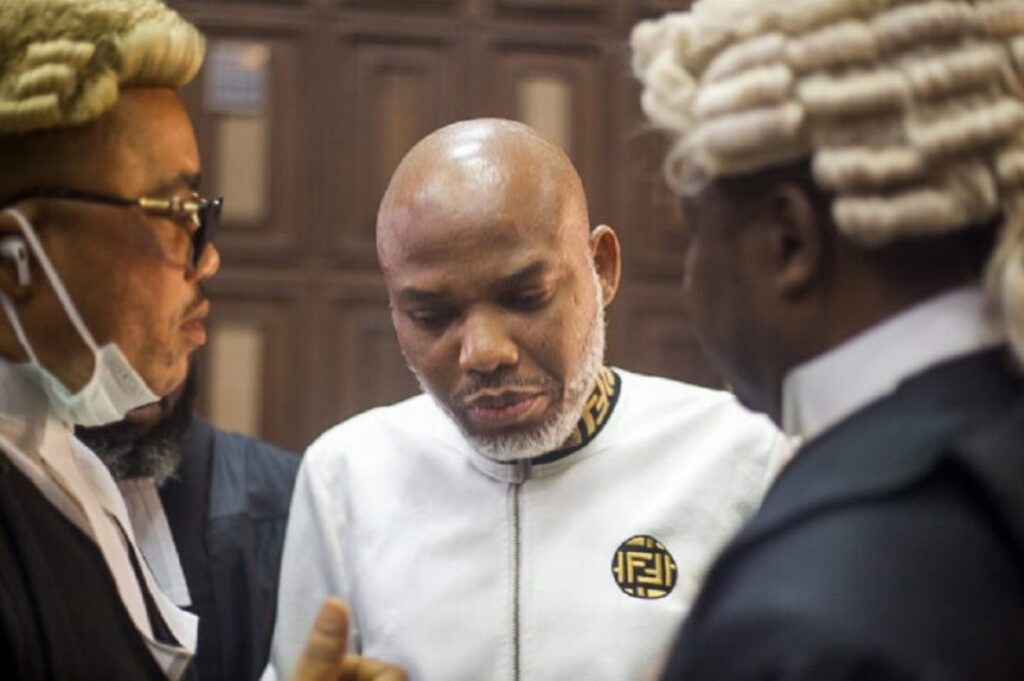
On November 20, 2025, the Federal High Court in Abuja handed Kanu a life sentence for terrorism-related offences.
Justice James Omotosho held that the prosecution successfully established all seven charges against him.
The judge ruled that the IPOB leader fully understood the consequences of his actions and was determined to pursue them regardless of the danger posed to residents of the South-East.
“From the uncontroverted evidence of the prosecution, it is clear that the defendant carried out a preparatory act of terrorism. He had the duty to explain himself, but failed to do so,” Omotosho said.
He further ruled that Kanu’s repeated declarations of sit-at-home orders and threats of violence widely disseminated through his broadcasts amounted to terrorism.
Kanu’s legal team has, however, vowed to contest the judgment at the Court of Appeal.
What You Should Know
Nnamdi Kanu, leader of IPOB, is currently serving a life sentence after being convicted of terrorism-related offences linked to his broadcasts and directives in the South-East.
The region has experienced prolonged tension since his arrest, with lawmakers arguing that a presidential pardon could de-escalate unrest and restore social and economic stability.
The South-East caucus believes clemency would promote unity and open doors for meaningful dialogue between government and community stakeholders.