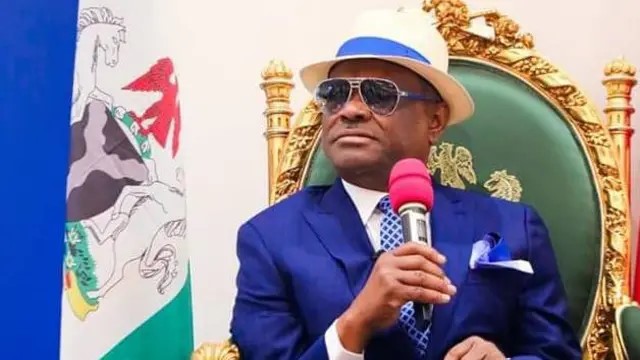
Biography and Early Life
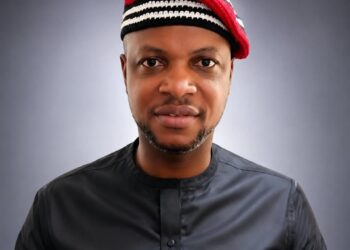
Nyesom Ezenwo Wike was born on December 12, 1967, in Rumuepirikom, Obio-Akpor Local Government Area of Rivers State, Nigeria. He hails from the Ikwerre ethnic group, one of the major ethnic groups in Rivers State. Growing up in Rivers State during Nigeria’s oil boom and subsequent economic challenges, Wike witnessed firsthand the complexities of Niger Delta politics and the intersection of oil wealth with governance.
His upbringing in Rivers State, Nigeria’s oil-rich South-South region, exposed him to the political dynamics, ethnic diversity, and debates over resource control that characterize the Niger Delta. These early experiences would shape his political philosophy and career trajectory.
Educational Background
Wike’s educational journey demonstrates a commitment to legal studies and public administration:
University of Science and Technology, Port Harcourt (now Rivers State University): He earned his Bachelor of Laws (LL.B) degree, laying the foundation for his legal career.
Nigerian Law School: After completing his law degree, Wike attended the Nigerian Law School and was called to the Nigerian Bar, becoming a qualified legal practitioner.
Master’s Degree: He later obtained a Master of Laws (LL.M.), further enhancing his legal expertise.
This legal background has proven valuable throughout his political career, particularly in navigating the complex legal and constitutional issues that frequently arise in Nigerian politics.
Early Career and Entry into Politics
Before his rise to prominence in elective politics, Wike worked as a legal practitioner and became involved in Rivers State politics during the transition to the Fourth Republic in 1999.
His political career began in earnest when he aligned himself with Dr. Peter Odili, who became Governor of Rivers State in 1999. This association provided Wike with access to the corridors of power and opportunities for political advancement.
Political Career Ascent
Chief of Staff and Local Government Chairman
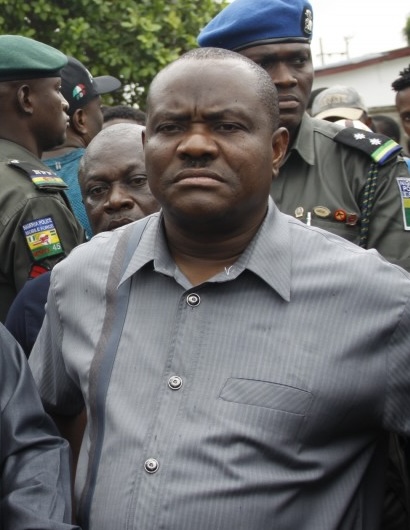
Chief of Staff to Governor Odili (1999-2003): Wike served as Chief of Staff to Governor Peter Odili during his first term, gaining invaluable experience in governance and political strategy at a young age.
Obio-Akpor Local Government Chairman (2003-2007): He was elected chairman of his local government area, one of the most populous and politically significant in Rivers State. This position allowed him to build a strong grassroots political base and demonstrate administrative capability.
Minister of State for Education (2011-2013)
President Goodluck Jonathan appointed Wike as Minister of State for Education in 2011. During his tenure, he was involved in federal education policy and administration, though this period was relatively brief as he prepared to pursue a higher office in Rivers State.
His time in the federal cabinet expanded his political networks and gave him experience in federal government operations, connections he would later leverage in his governorship and beyond.
Governor of Rivers State (2015-2023)
Wike’s political career reached its pinnacle when he was elected Governor of Rivers State in 2015 under the People’s Democratic Party (PDP) platform. He was re-elected in 2019, serving two full terms until May 2023.
Gubernatorial Achievements and Initiatives
Infrastructure Development: Wike’s administration became known for massive infrastructure projects:
- Construction and reconstruction of numerous roads, bridges, and flyovers across Rivers State
- Built several flyovers in Port Harcourt, transforming the city’s landscape
- Rehabilitated the Port Harcourt township, addressing decades of neglect
- Constructed schools, hospitals, and government buildings
Education Sector: His administration invested heavily in education:
- Built and renovated schools across the state
- Improved teachers’ welfare and training
- Established scholarship programs for Rivers State students
Healthcare: Constructed and equipped healthcare facilities, including specialist hospitals and medical centers.
Judicial Infrastructure: Built and commissioned several courtrooms and judicial facilities, earning praise from the Nigerian judiciary.
Sports Development: Invested significantly in sports infrastructure, building stadiums and supporting sports programs.
Political Style and Governance Approach
Wike’s governorship was characterized by:
Confrontational Leadership: He maintained an aggressive, confrontational political style, regularly engaging in public disputes with political opponents, including federal government officials during the Buhari administration.
Strong Opposition Politics: As a PDP governor during the APC-controlled federal government (2015-2023), Wike positioned himself as a fierce opposition figure, often criticizing federal policies and defending state rights.
Loyalty and Patronage: He built a strong political machine based on loyalty, rewarding supporters and punishing perceived disloyalty or opposition.
Media Presence: Wike maintained high visibility through frequent media engagements, project commissioning events, and public statements on national issues.
Wealth Display: His tenure was marked by ostentatious displays of wealth and power, including expensive gifts to political allies and lavish project launches.
Controversies During Governorship
Violence and Intimidation Allegations: Critics accused his administration of using violence and intimidation against political opponents. Several incidents of political violence occurred in Rivers State during his tenure.
2019 Elections: The 2019 elections in Rivers State were particularly controversial, with allegations of violence, ballot snatching, and irregularities. The elections were among Nigeria’s most contested.
Federal Government Conflicts: His public battles with the federal government, particularly regarding Rivers State’s oil revenues and security operations, generated significant controversy.
Demolitions: Like his federal counterpart, El-Rufai, Wike’s administration demolished numerous structures deemed illegal, displacing residents and generating accusations of insensitivity.
Judicial Controversies: Despite building courtrooms, his administration faced accusations of disrespecting court orders when they conflicted with his political interests.
National Political Influence
Beyond Rivers State, Wike emerged as one of Nigeria’s most influential politicians:
PDP Power Broker
Funding and Strategy: Wike became known as one of the PDP’s principal financiers and strategists, reportedly funding campaigns and supporting party activities across Nigeria.
Kingmaker Role: He played crucial roles in gubernatorial and other elections in various states, earning a reputation as a “kingmaker.”
G-5 Governors: In the lead-up to the 2023 elections, Wike led a group of five PDP governors (the “Integrity Group” or “G-5”) who opposed the party’s presidential candidate, Atiku Abubakar, demanding the resignation of the party’s National Chairman, Iyorchia Ayu, as a condition for support.
2023 Presidential Primary and Election Controversy
Presidential Aspiration: Wike contested the PDP presidential primary in 2023, finishing second to Atiku Abubakar. His loss and subsequent exclusion from the vice-presidential slot created one of Nigerian politics’ most significant recent rifts.
Anti-Party Activities: Following the primary, Wike and the G-5 governors effectively worked against their party’s presidential candidate, though they maintained PDP membership. Their actions contributed to the PDP’s loss in the 2023 presidential election.
Cross-Party Support: Wike was widely believed to have supported Bola Tinubu of the APC in the 2023 presidential election, despite remaining in the PDP, a move that shocked many observers.
Minister of the Federal Capital Territory (2023-Present)
In one of Nigeria’s most dramatic twists, President Bola Tinubu appointed Wike as Minister of the Federal Capital Territory (FCT) in August 2023, despite Wike being a prominent PDP member and Tinubu being an APC.
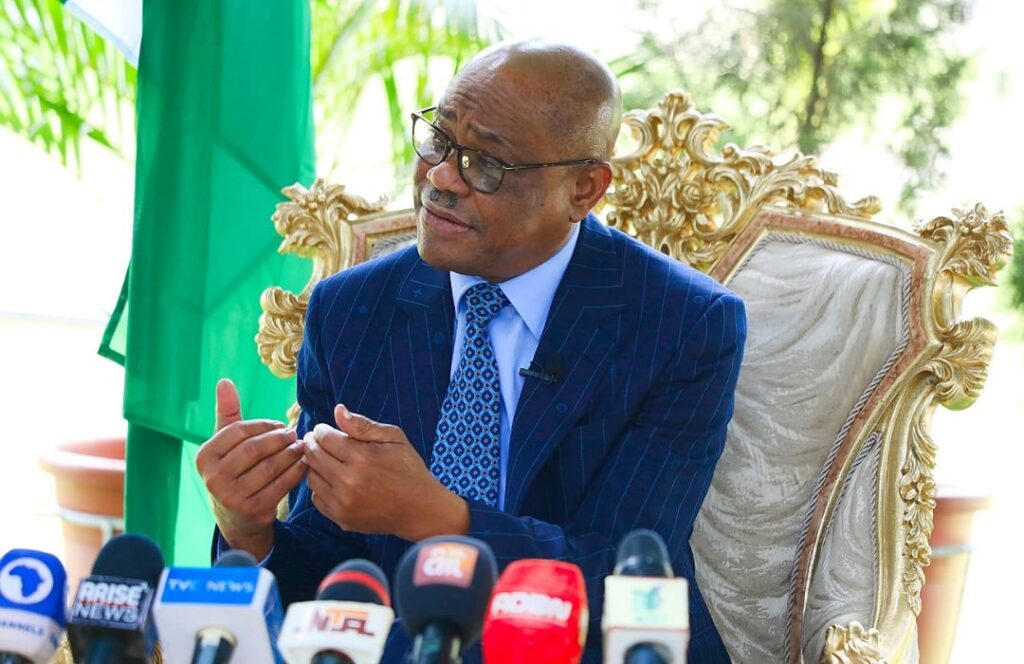
FCT Ministry Tenure
Infrastructure Focus: Continuing his pattern from Rivers State, Wike has embarked on ambitious infrastructure projects in Abuja, including road construction, urban renewal, and demolitions.
Demolition Controversies: His aggressive demolition of structures in Abuja, including markets, settlements, and buildings deemed to violate the city’s master plan, has generated significant controversy and accusations of displacing vulnerable residents.
Political Battles in Rivers State: Even as FCT Minister, Wike has remained deeply involved in Rivers State politics, engaging in a bitter power struggle with his successor, Governor Siminalayi Fubara (whom he had supported for governor).
Administrative Reforms: He has implemented various reforms in FCT administration, focusing on revenue generation and efficiency.
The Wike-Fubara Crisis
The conflict between Wike and his successor, Governor Fubara, has dominated Nigerian political discourse since late 2023:
Control Disputes: The crisis centers on control of Rivers State’s political structures, with Wike attempting to maintain influence over state affairs despite being in the federal cabinet.
Legislative Warfare: The Rivers State House of Assembly became a battleground, with lawmakers loyal to Wike defecting to the APC and attempting to impeach Fubara.
National Implications: The crisis has drawn in the presidency, National Assembly, and judiciary, becoming a test case for gubernatorial autonomy versus godfather control.
Ongoing Conflict: As of 2025, the power struggle continues, with both sides claiming legitimacy and control of various state institutions.
Political Philosophy and Style
Wike’s political approach is characterized by:
Pragmatism Over Ideology: He demonstrates remarkable flexibility in political alliances, prioritizing power and influence over ideological consistency.
Transactional Politics: His politics are highly transactional, based on loyalty, rewards, and punishments rather than ideological principles.
Power Consolidation: He consistently seeks to consolidate and maintain power and influence, whether as governor or federal minister.
Confrontational Approach: Wike rarely backs down from confrontation, whether with political opponents, the media, or even presidents.
Infrastructure Legacy Focus: He emphasizes physical, visible projects as evidence of performance and legacy.
Personal Life
Nyesom Wike is married to Justice Eberechi Suzzette Nyesom-Wike, a judge of the Rivers State High Court. They have children together. Wike is a Christian and has publicly expressed his religious faith, though critics question the consistency between his stated beliefs and political actions.
He is known for his flamboyant lifestyle, expensive fashion taste (particularly his signature stylish caps), and generous gift-giving to political allies. His personality is marked by high energy, emotional expressiveness, and a penchant for dramatic public statements.
Accomplishments and Recognition
Infrastructure Development: Undeniably transformed Rivers State’s physical infrastructure, particularly Port Harcourt’s road network.
Political Influence: Built one of Nigeria’s most formidable political machines and became a national political force.
Party Funding: Sustained the PDP through financial support during difficult periods.
Judicial Infrastructure: Received commendations from the judiciary for building courtrooms and facilities.
Educational Investment: Made significant investments in educational infrastructure in Rivers State.
Criticisms and Controversies
Authoritarian Tendencies: Accused of running Rivers State with authoritarian methods, suppressing opposition and dissent.
Political Violence: Numerous allegations of political violence and intimidation during his governorship.
Godfather Politics: His relationship with Governor Fubara exemplifies the negative aspects of political godfatherism.
Wasteful Spending: Critics argue that his infrastructure focus involved wasteful spending on vanity projects while neglecting social welfare.
Divisive Politics: His confrontational style and personal attacks on opponents have contributed to political polarization.
Anti-Party Activities: His work against his own party’s presidential candidate in 2023 raised questions about political integrity and loyalty.
Demolitions and Displacements: Both in Rivers State and Abuja, his demolition policies have been criticized for displacing vulnerable populations without adequate compensation or relocation.
Legacy and Ongoing Impact
Nyesom Wike’s legacy is complex and contested:
Supporters View Him As:
- A bold leader unafraid to confront injustice
- A pragmatic politician who gets things done
- Rivers State’s most development-focused governor
- A defender of state rights and regional interests
- A political strategist of exceptional skill
Critics See Him As:
- An authoritarian figure who brooks no opposition
- A political opportunist without principles
- A godfather undermining democratic governance
- A leader whose infrastructure focus masked poor social welfare policies
- A divisive figure whose personal ambitions override party and regional interests
Influence on Nigerian Politics
Wike represents a particular breed of Nigerian politician, the regional strongman who combines infrastructure delivery with hard-nosed, often ruthless political tactics. His ability to remain politically relevant across party lines, maintaining influence even from opposition, demonstrates mastery of Nigeria’s complex political dynamics.
His current role as APC minister, while technically remaining a PDP member, his control attempts over Rivers State from Abuja, and his influence in multiple states make him one of contemporary Nigeria’s most powerful political figures. Whether this power is used constructively or destructively remains a subject of intense debate.
Nyesom Wike’s journey from local government chairman to national power broker illustrates the paths to influence in Nigerian politics. His story encompasses infrastructure development, political machinations, cross-party maneuvers, and the tension between delivery and democratic values. As he continues to shape Nigerian politics from his position as FCT Minister while battling for control in Rivers State, Wike remains one of Nigeria’s most consequential and controversial political figures. His legacy, as either a builder and pragmatic leader or an authoritarian godfather, will be debated for years to come, likely containing elements of both characterizations.