Biography and Early Life
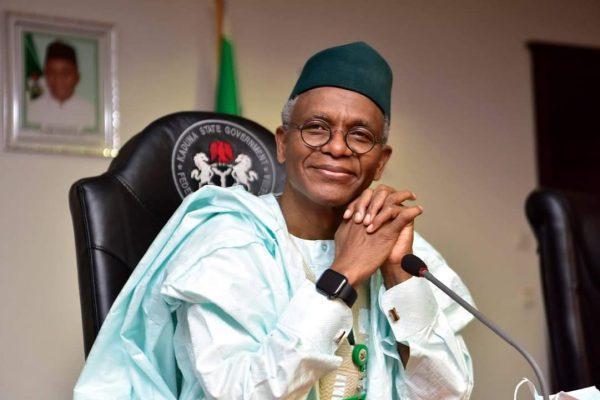
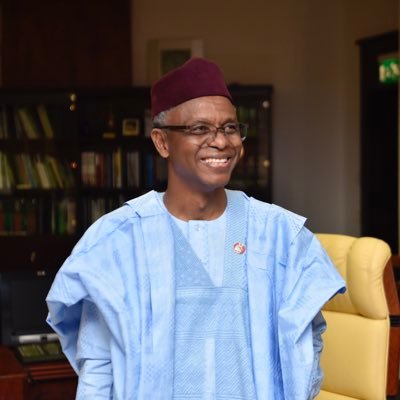
Nasir Ahmad El-Rufai was born on February 16, 1960, in Kaduna State, Nigeria, into a Fulani family with strong roots in Northern Nigeria. Growing up in Kaduna, a cosmopolitan city that served as a major administrative and commercial center, El-Rufai was exposed to diverse cultures and the complexities of Nigeria’s multi-ethnic society from an early age.
His formative years were shaped by the values of education, discipline, and public service principles that would define his professional trajectory. El-Rufai’s early life in Northern Nigeria provided him with deep insights into the region’s socio-political dynamics, traditional institutions, and developmental challenges.
Educational Background

El-Rufai’s educational journey demonstrates a strong foundation in technical fields and public policy. He attended the prestigious Barewa College in Zaria, Kaduna State, one of Northern Nigeria’s elite secondary schools known for producing numerous national leaders and intellectuals.
He proceeded to Ahmadu Bello University (ABU) in Zaria, where he earned a Bachelor of Science degree in Quantity Surveying in 1980, graduating at the remarkably young age of 19. His academic excellence continued as he obtained a Master’s degree in Construction Management and Quantity Surveying from ABU in 1982.
El-Rufai’s commitment to continuous learning led him to pursue further education internationally. He attended:
- Harvard Kennedy School, where he completed multiple executive education programs
- London Business School, participating in senior management programs
- Various other executive education programs at leading global institutions
This combination of technical training and policy education equipped El-Rufai with both practical skills and strategic thinking capabilities.
Professional Career Before Politics
Private Sector Experience
Before entering public service, El-Rufai established a successful career in the private sector as a Quantity Surveyor and project management consultant. He worked on various construction and infrastructure projects, gaining practical experience in project delivery, cost management, and technical consulting.
Early Public Service
El-Rufai’s public service career began in earnest in 1998 when he was appointed Director-General of the Bureau of Public Enterprises (BPE) under President Olusegun Obasanjo’s administration. This position thrust him into the national spotlight as he led Nigeria’s controversial privatization program.
Bureau of Public Enterprises (1999-2003):
As BPE Director-General, El-Rufai became the face of Nigeria’s economic reforms and privatization agenda. His tenure was characterized by:
Privatization Drive: He oversaw the privatization and commercialization of numerous government-owned enterprises, including telecommunications companies, power sector entities, and other state-owned assets.
Economic Reform: El-Rufai was instrumental in implementing neoliberal economic policies aimed at reducing the government’s role in business and improving efficiency.
Controversial Decisions: The privatization process generated significant controversy, with critics arguing that assets were undervalued and sold to political cronies, while supporters credited the reforms with attracting investment and improving service delivery, particularly in telecommunications.
Minister of the Federal Capital Territory (2003-2007)
El-Rufai’s most impactful federal appointment came when President Obasanjo appointed him Minister of the Federal Capital Territory (FCT), making him responsible for administering Abuja, Nigeria’s capital city. His tenure as FCT Minister was transformative and highly controversial.
Major Achievements:
Urban Renewal: El-Rufai implemented an aggressive urban renewal program that dramatically transformed Abuja’s landscape. He demolished illegal structures, cleared slums, and enforced the city’s master plan.
Infrastructure Development: His administration invested heavily in road construction, street lighting, and urban beautification, giving Abuja a more modern appearance.
Land Administration: He reformed land allocation processes and attempted to address corruption in land administration, though controversies persisted.
Planning Enforcement: El-Rufai strictly enforced zoning regulations and building codes, often using controversial methods.
Major Controversies:
Demolitions: His aggressive demolition of structures deemed illegal displaced thousands of people, earning him the nickname “Mr. Demolition.” Critics accused him of showing little regard for the poor and vulnerable affected by these actions.
Due Process Questions: Many questioned whether adequate notice and compensation were provided to those affected by demolitions.
Land Revocations: He revoked land allocations to prominent Nigerians, including political figures, which made him powerful enemies but also earned praise from those who saw it as fighting corruption.
Political Career
Return from Exile and Political Evolution
After leaving office in 2007, El-Rufai faced various investigations and briefly went into self-imposed exile in 2010 during President Goodluck Jonathan‘s administration, claiming political persecution. He returned to Nigeria in 2011 and gradually rebuilt his political career, joining the All Progressives Congress (APC) during its formation as a merger of opposition parties.
Governor of Kaduna State (2015-2023)
In 2015, El-Rufai was elected Governor of Kaduna State under the APC platform, marking his return to executive office. He was re-elected in 2019, serving two terms until May 2023.
Key Policies and Achievements:
Education Reforms: El-Rufai implemented comprehensive education reforms, including:
- Mass teacher competency tests resulted in the dismissal of thousands deemed unqualified
- Infrastructure development in schools
- Increased education budget allocations
- Free education policies at certain levels
Civil Service Restructuring: He downsized the state civil service, arguing it was bloated and unsustainable. This resulted in thousands of job losses but was defended as necessary fiscal management.
Infrastructure Development: His administration invested in road construction, urban renewal in Kaduna city, and various infrastructure projects across the state.
Religious Regulation: He implemented policies regulating religious preaching and activities, establishing licensing requirements for preachers, which is a controversial move in a religiously diverse state.
Investment Attraction: El-Rufai actively courted foreign and domestic investment, positioning Kaduna as a business-friendly destination.
Security Management: His tenure coincided with severe security challenges, including banditry, kidnapping, and communal conflicts, which he attempted to address through both military operations and controversial negotiations with bandits.
Major Controversies During Governorship:
Southern Kaduna Crisis: Persistent communal violence in Southern Kaduna claimed hundreds of lives during his tenure. El-Rufai’s handling of the crisis was sharply criticized, with accusations of bias and failure to protect vulnerable communities. His comments about paying herdsmen involved in violence sparked outrage.
Labor Relations: His aggressive downsizing policies and confrontations with labor unions created sustained tension, leading to numerous strikes by teachers, healthcare workers, and other public servants.
Religious Tensions: His regulation of religious activities and perceived favoritism in handling religious conflicts generated controversy in the state.
Economic Hardship: Critics pointed to increased poverty and economic hardship in Kaduna State despite claimed reforms, while supporters credited him with fiscal discipline and long-term planning.
Bandit Negotiations: His admission to paying ransoms and negotiating with bandits drew criticism from those who argued it encouraged more criminality.
Political Philosophy and Style
El-Rufai is known for his:
Technocratic Approach: Emphasizing data-driven governance, efficiency, and performance metrics in public administration.
Confrontational Style: Unafraid of confrontation with vested interests, including religious leaders, traditional rulers, labor unions, and political opponents.
Social Media Presence: Active and often controversial on Twitter (now X), where he engages in political debates and defends his policies vigorously.
Reform Orientation: Consistently pushing for structural reforms, even when politically costly or unpopular.
Polarizing Rhetoric: His blunt communication style and controversial statements have made him one of Nigeria’s most polarizing political figures.
Accomplishments and Recognition
Published Author: El-Rufai has written several books, including “The Accidental Public Servant,” an autobiography that became a bestseller and provided insights into Nigerian politics and governance.
International Recognition: He has received various awards and speaking invitations internationally for his work in public service and urban development.
Policy Influence: His ideas on governance, privatization, and public sector reform have influenced policy discussions beyond his immediate jurisdiction.
Post-Gubernatorial Developments
After completing his second term as Governor in May 2023, El-Rufai was initially nominated by President Bola Tinubu to serve as a minister in the federal cabinet. However, his confirmation was delayed and eventually withdrawn after the Senate failed to confirm him, reportedly due to security concerns and opposition from various quarters, which happens to be a surprising setback for such a prominent political figure.
This development has fueled speculation about his political future and the extent of opposition he faces from various power centers in Nigerian politics.
Personal Life
Nasir El-Rufai is married and has children. He has been married multiple times and maintains a relatively private family life despite his public prominence. He is a practicing Muslim and has been involved in various Islamic and social welfare initiatives.
Known for his small stature (he is quite short in height), El-Rufai has never allowed physical appearance to diminish his commanding presence in Nigerian politics. He is an avid reader, intellectual debater and has cultivated relationships across Nigeria’s political spectrum, though he has also accumulated numerous political enemies.
Legacy and Impact
El-Rufai’s legacy is deeply contested:
Supporters Credit Him With:
- Transforming Abuja into a modern capital city
- Implementing bold but necessary reforms in Kaduna State
- Demonstrating technocratic competence in governance
- Standing up to vested interests and corruption
- Promoting fiscal discipline and long-term planning
Critics Accuse Him Of:
- Insensitivity to the poor and vulnerable
- Authoritarian tendencies and disregard for dissent
- Exacerbating religious and ethnic tensions
- Making inflammatory statements that worsen conflicts
- Implementing reforms without adequate social safety nets
- Failure to address security crises effectively
Influence on Nigerian Politics
Regardless of one’s assessment of his policies, El-Rufai has undeniably influenced Nigerian political discourse:
Technocratic Governance Model: He has promoted the idea of technocrats in political leadership, emphasizing competence over purely political considerations.
Reform Advocacy: He has consistently pushed conversations about necessary but unpopular reforms, from subsidy removal to civil service restructuring.
Political Communication: His use of social media and direct engagement with citizens has influenced how Nigerian politicians communicate.
North-South Dynamics: As a prominent Northern politician with liberal economic views, he represents an interesting dimension of Northern Nigerian political thought.
Nasir Ahmad El-Rufai remains one of contemporary Nigeria’s most influential and controversial political figures. His career, from quantity surveyor to technocratic reformer to polarizing governor, illustrates both the possibilities and pitfalls of reform-oriented leadership in Nigeria’s complex political environment. Whether viewed as a visionary reformer willing to make tough decisions or as an insensitive authoritarian, El-Rufai’s impact on Nigerian governance, urban development, and political discourse is undeniable. His legacy continues to evolve as Nigeria grapples with the long-term effects of his policies and the questions he raised about leadership, reform, and the price of development.