Biography
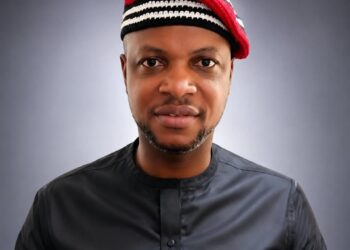
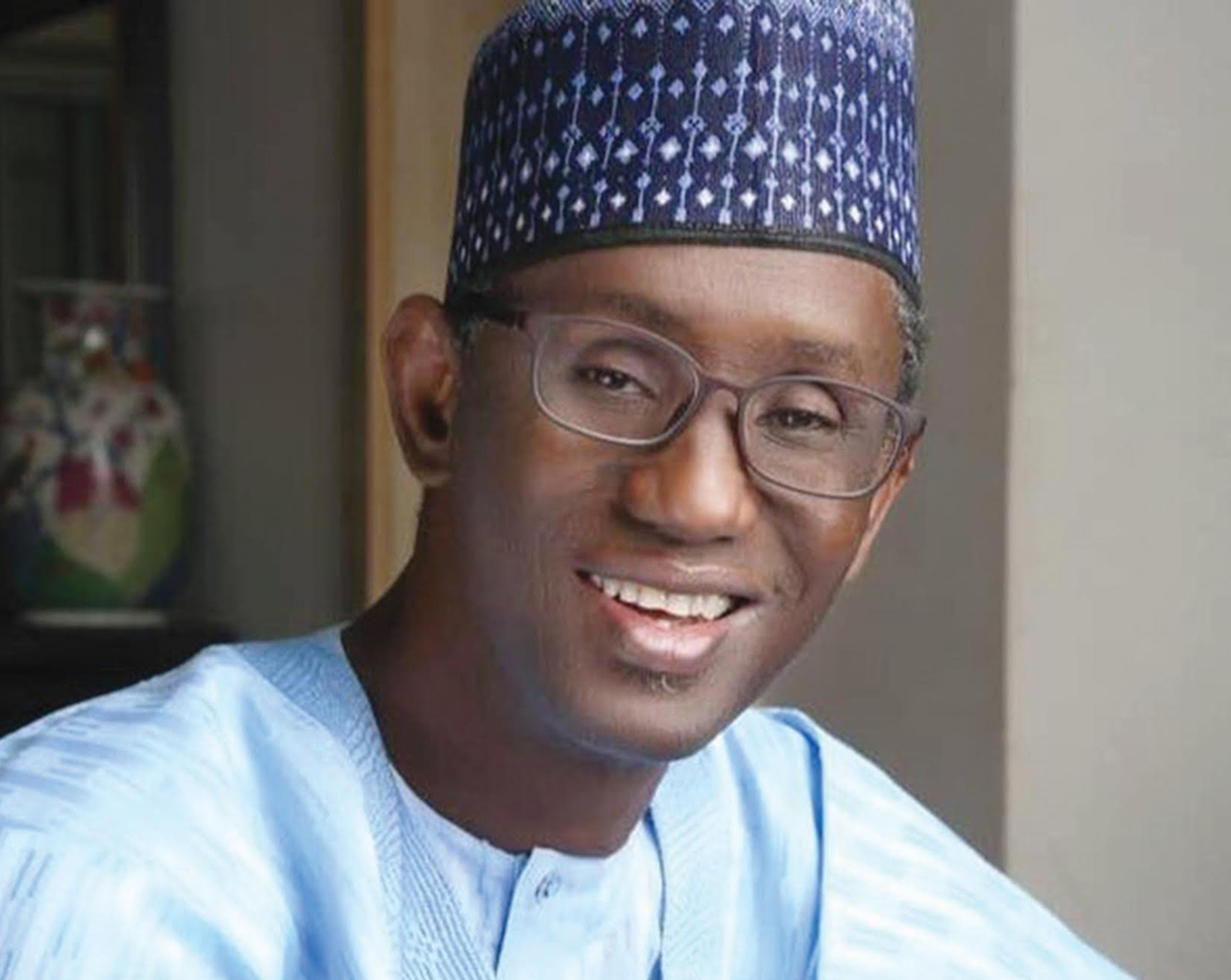
Nuhu Ribadu, born on November 21, 1960, in Yola, Adamawa State, Nigeria, emerged as one of the most fearless and transformative figures in Nigeria’s fight against corruption. Coming from a humble background in northeastern Nigeria, Ribadu’s journey from a police officer to becoming the nation’s most recognized anti-corruption czar is a testament to integrity, courage, and unwavering commitment to justice.
Growing up in Yola, the capital of Adamawa State, Ribadu was raised in a region known for its rich cultural heritage and strong ethical values. His early life experiences in the modest town shaped his understanding of the challenges facing ordinary Nigerians and instilled in him a deep sense of justice that would later define his career.
Educational Background
Nuhu Ribadu’s academic journey reflects a commitment to continuous learning and professional excellence:
- Secondary Education: Government College, Yola, Adamawa State
- Undergraduate Degree: Bachelor of Laws (LL.B) from Ahmadu Bello University, Zaria (1980)
- Nigerian Law School: Called to the Nigerian Bar in 1981
- Master of Laws (LL.M): Ahmadu Bello University, Zaria (1985)
- Advanced Studies: Certificate in Forensic Investigations and Advanced Fraud Investigations from the Federal Bureau of Investigation (FBI) Academy, Quantico, Virginia, USA
- Fellowship Programs: Various international courses on financial crimes, money laundering, and counter-terrorism at institutions, including the United States Secret Service and other law enforcement academies
His unique combination of legal expertise and specialized training in investigations positioned him perfectly for his future role in combating financial crimes and corruption.
Early Police Career
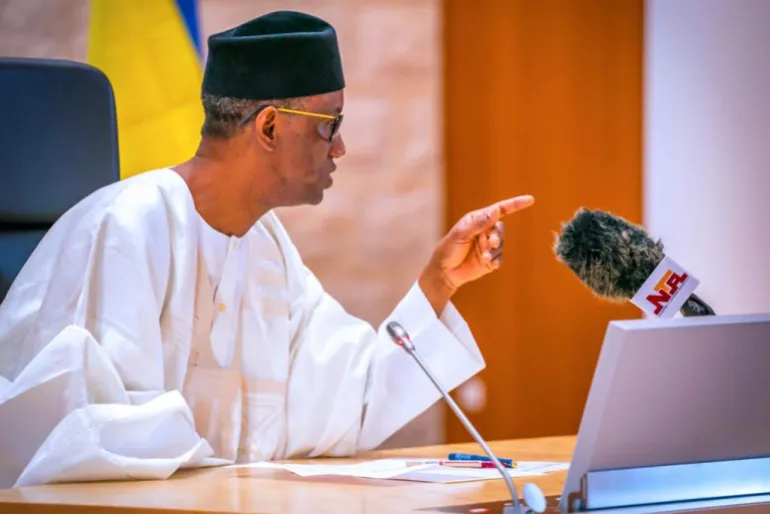
Ribadu joined the Nigeria Police Force in 1981, immediately after his call to the Bar, making him one of the few police officers with legal qualifications at the time. His career progression through the ranks was marked by distinguished service from 1981-1999, where he rose through various positions in the Nigeria Police Force, serving in different capacities across the country. He specialized in legal and investigative work, bringing his legal training to bear on police operations, and served in the Legal Department of the Nigeria Police Force, providing legal advice on complex cases. His international exposure through numerous training programs helped him develop expertise in modern investigative techniques.
By the time he was appointed to lead the newly formed Economic and Financial Crimes Commission (EFCC), Ribadu had accumulated two decades of experience in law enforcement and had established a reputation for professionalism and integrity.
The EFCC Years: Defining Legacy (2003-2007)
Appointment as Pioneer Chairman
In April 2003, President Olusegun Obasanjo appointed Ribadu as the pioneer Executive Chairman of the Economic and Financial Crimes Commission (EFCC), a newly established agency tasked with investigating and prosecuting economic and financial crimes. At 42 years old, Ribadu was given what many considered an impossible mandate: to tackle corruption in one of the world’s most corrupt nations.
Major Accomplishments at the EFCC
High-Profile Prosecutions
Ribadu’s tenure was marked by unprecedented boldness in prosecuting powerful individuals. He successfully investigated and prosecuted several state governors, including Tafa Balogun (Inspector-General of Police), Diepreye Alamieyeseigha (Bayelsa State Governor), and Joshua Dariye (Plateau State Governor). He took on politically exposed persons regardless of their connections, breaking the culture of impunity, and secured numerous convictions and asset forfeitures worth billions of naira.
419 Scam Crackdown
He launched aggressive campaigns against advance-fee fraud (419 scams) that had damaged Nigeria’s international reputation, arrested hundreds of internet fraudsters and cybercriminals, and worked with international law enforcement agencies to dismantle transnational fraud networks. These efforts helped restore some credibility to Nigeria’s image abroad.
Anti-Money Laundering Framework
Ribadu established robust systems for detecting and preventing money laundering, collaborated with international financial institutions to trace illicit funds, recovered billions of dollars stashed in foreign accounts by corrupt officials, and pioneered the use of forensic accounting and digital forensics in investigations.
Institutional Building
He built the EFCC from scratch into a world-class law enforcement agency, recruited and trained skilled investigators, prosecutors, and forensic experts, established partnerships with the FBI, Scotland Yard, Interpol, and other international agencies, and created specialized units for different types of financial crimes.
International Recognition
In 2005, Ribadu received international acclaim when he appeared on the cover of Newsweek magazine as the “scourge of the scammers.” He received numerous international awards for his anti-corruption work, was invited to speak at various international forums on corruption and governance, and helped Nigeria gain removal from the Financial Action Task Force (FATF) blacklist.
Challenges and Controversies
Ribadu’s fearless approach also brought significant challenges. He faced multiple assassination attempts and death threats, was accused by critics of selective prosecution and being used for political witch-hunts, navigated complex political pressures while trying to maintain institutional independence, and dealt with powerful interests determined to undermine the EFCC’s work.
Exile and Return (2008-2010)
Removal from Office
In December 2007, following the end of President Obasanjo’s tenure, Ribadu was removed as EFCC Chairman and sent on a forced “training program” to the National Institute for Policy and Strategic Studies (NIPSS) in Kuru, Jos. This was widely seen as a political move to neutralize him.
Demotion and Exile
In 2008, he was controversially demoted from Assistant Inspector-General (AIG) to Deputy Commissioner of Police (DCP). Faced with threats to his life, he was forced to flee Nigeria in December 2008, spending nearly two years in exile, primarily in the United Kingdom and the United States. During this period, he studied at St Antony’s College, Oxford University, and spoke at international forums about governance and corruption.
Return to Nigeria
He returned to Nigeria in 2010 after the political climate shifted, was reinstated to his former rank in the police force, and remained a vocal advocate for anti-corruption efforts.
Political Career
2011 Presidential Election
Ribadu declared his intention to run for President under the Peoples Democratic Party (PDP) but lost the PDP primary election. He subsequently joined the Action Congress of Nigeria (ACN) as its presidential candidate and came third in the April 2011 presidential election, garnering approximately 2.1 million votes. His campaign focused heavily on anti-corruption and good governance themes.
Appointment as Petroleum Minister (2014)
In November 2014, President Goodluck Jonathan appointed Ribadu as the Head of the Petroleum Revenue Special Task Force, tasked with investigating revenue leakages in the petroleum sector, examining contracts and processes in the Nigerian National Petroleum Corporation (NNPC), and recommending reforms to improve transparency and accountability. His appointment was seen as an attempt to bring credibility to the troubled sector.
Post-Government Activities
Private Sector and Consultancy
Ribadu established himself as a governance and anti-corruption consultant, advises international organizations, governments, and corporations on transparency and compliance issues, and serves on various boards and advisory panels.
Public Speaking and Advocacy
He is a regular speaker at international conferences on corruption, governance, and development, contributes opinion pieces to major newspapers and journals, continues to advocate for institutional reforms in Nigeria, and mentors young professionals in law enforcement and governance.
Awards and Recognition
In 2005, he was featured on the Newsweek International cover as one of the world’s leading anti-corruption fighters. In 2007, he received the German Media Prize (Deutsche Welle Award). He has received multiple international awards from organizations including Transparency International, the World Bank, and various law enforcement agencies, as well as honorary degrees and fellowships from institutions recognizing his contribution to fighting corruption.
Legacy and Impact
Institutional Transformation
Nuhu Ribadu’s most enduring legacy is the transformation of Nigeria’s approach to fighting financial crimes. Before the EFCC under his leadership, corruption cases rarely resulted in prosecutions, let alone convictions. He demonstrated that with political will and institutional support, even the most powerful could be held accountable.
Cultural Shift
His tenure created a culture of fear among corrupt officials—many for the first time had to consider the consequences of their actions. The phrase “Ribadu is coming” became a deterrent to corrupt practices during his active years.
International Relations
By aggressively tackling advance-fee fraud and money laundering, Ribadu helped improve Nigeria’s standing in the international community, particularly with financial institutions and law enforcement agencies.
Challenges to His Legacy
Critics argue that some prosecutions appeared politically motivated, the sustainability of reforms was questionable, as evidenced by the resurgence of corruption after his departure, the EFCC’s methods were sometimes heavy-handed, and some convictions were later overturned on appeal.
Personal Life
Nuhu Ribadu maintains a relatively private personal life but is known to be married with children, a practicing Muslim, known for his disciplined lifestyle and personal integrity, passionate about education and youth development, and an avid reader and continuous learner.
Assessment and Contemporary Relevance
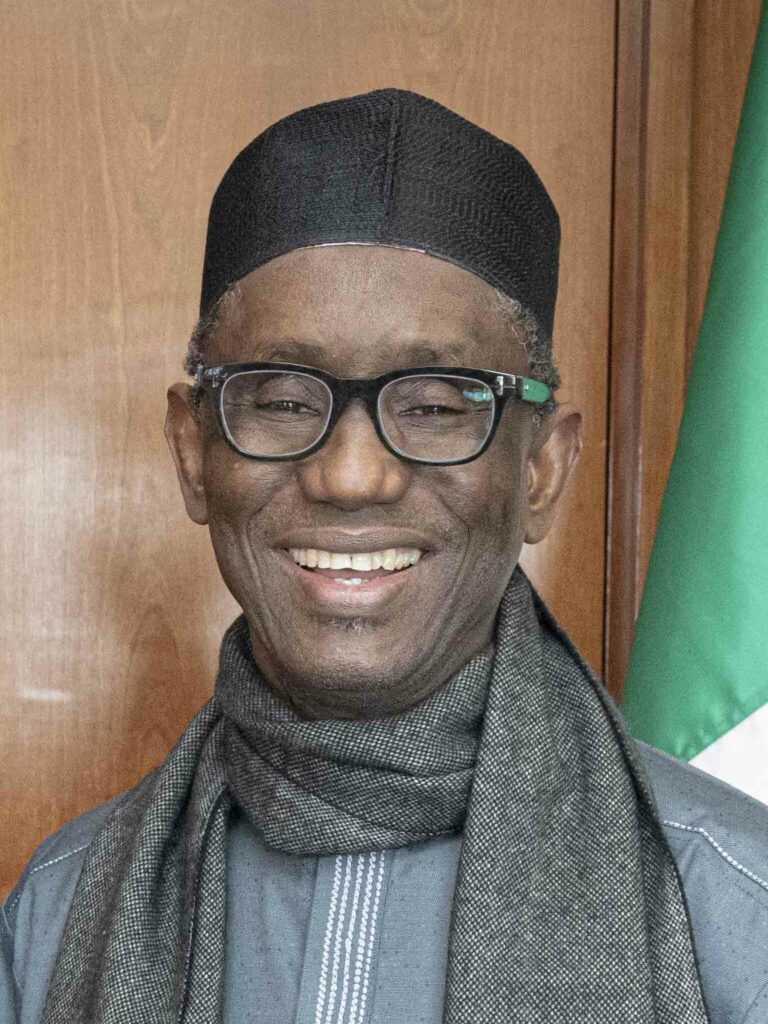
In contemporary Nigerian discourse, Ribadu remains a reference point for discussions about anti-corruption efforts. His tenure at the EFCC is often contrasted with subsequent leadership of the agency, with many arguing that the commission has never matched the effectiveness of its early years.
His career trajectory started from celebrated corruption fighter to forced exile to political candidate, which illustrates the complexities and dangers of fighting entrenched interests in a developing democracy. It also demonstrates the fragility of institutional reforms when they depend heavily on individual personalities rather than systemic changes.
Lessons from Ribadu’s Experience
- Political will is essential for anti-corruption efforts to succeed
- Institutional independence must be protected from political interference
- Personal courage alone cannot sustain reforms without structural support
- International cooperation is crucial in fighting transnational financial crimes
- Succession planning and institutional memory are critical for sustainability
Notable Quotes
Ribadu is known for several memorable statements that capture his philosophy:
“Corruption is not just about stealing money. It’s about stealing the future of our children.”
“We must be prepared to pay the price for fighting corruption. The alternative is national suicide.”
“Nobody is too big to be investigated. Nobody is too powerful to be above the law.”
Conclusion
Nuhu Ribadu remains one of Nigeria’s most consequential public servants. Whether viewed as a hero who dared to challenge the powerful or as a controversial figure who sometimes overstepped boundaries, his impact on Nigeria’s anti-corruption landscape is undeniable. His story serves as both an inspiration and a cautionary tale, showing what is possible when individuals of integrity are empowered, while also demonstrating the systemic challenges that can undermine even the most determined reform efforts.
For a nation still grappling with endemic corruption, Ribadu’s legacy continues to pose challenging questions: Can Nigeria produce and sustain institutions that outlast individual champions? Will political leaders provide the sustained support necessary for meaningful anti-corruption work? And perhaps most importantly, has Nigeria learned the lessons from both the successes and failures of the Ribadu era?
As Nigeria continues its journey toward greater accountability and transparency, the name Nuhu Ribadu will remain synonymous with the possibilities and perils of fighting corruption in Africa’s most populous nation.