Biography and Early Life
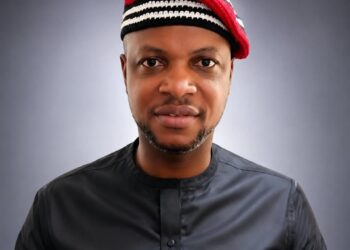
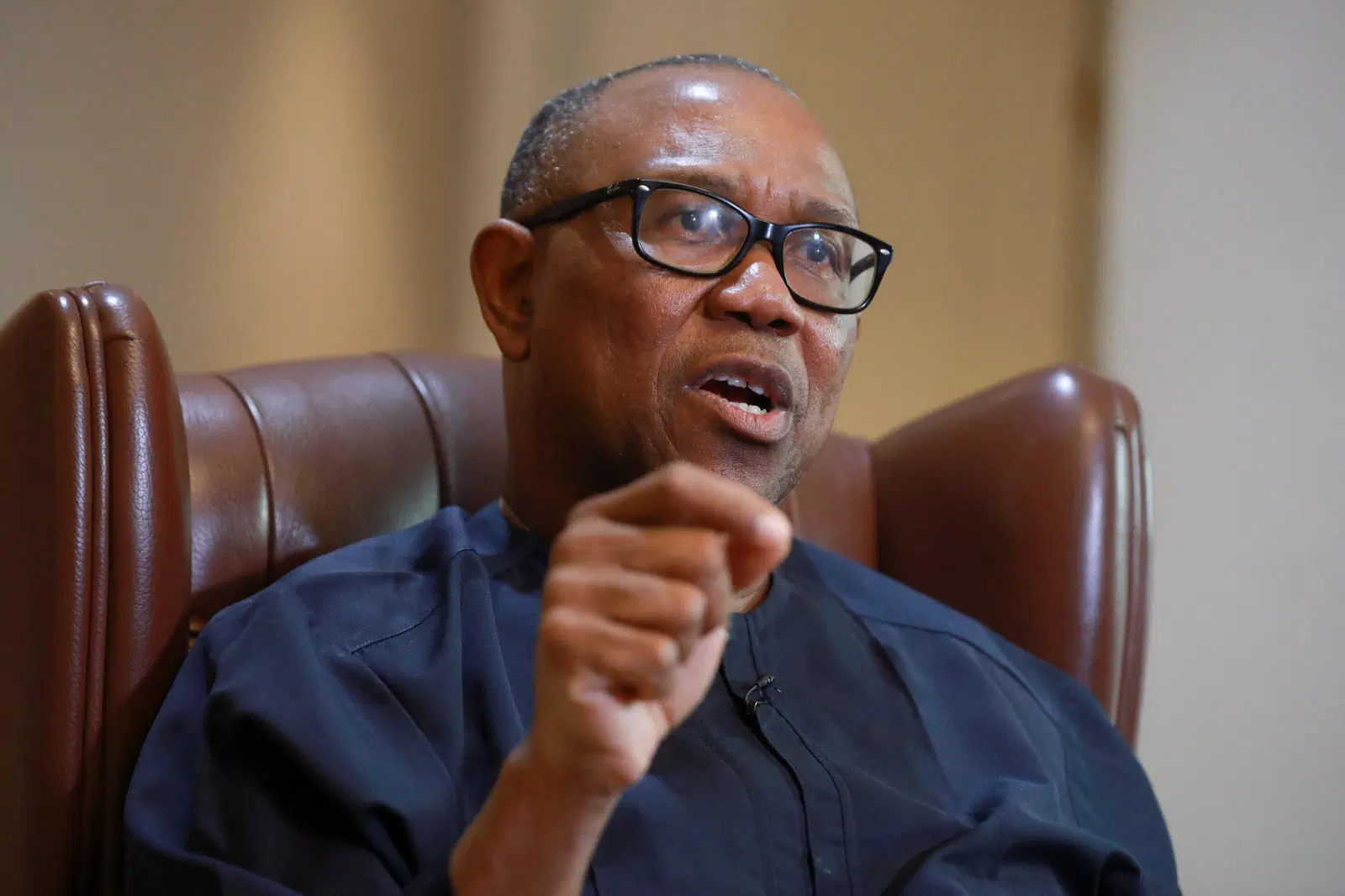
Peter Gregory Obi was born on July 19, 1961, in Onitsha, Anambra State, Nigeria. Hailing from the Igbo ethnic group, Peter Obi grew up in a region known for its entrepreneurial spirit and commercial activities. His upbringing in Onitsha, one of Nigeria’s major commercial centers, would later influence his business acumen and economic perspectives.
Educational Background
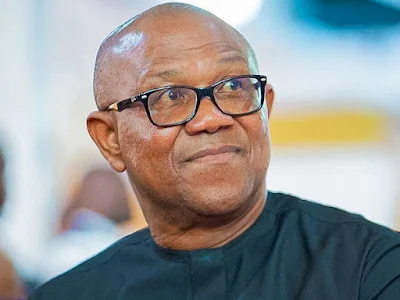
Peter Obi’s educational journey reflects a strong foundation in philosophy and business management. He attended Christ the King College (CKC) in Onitsha for his secondary education, an institution known for producing notable Nigerian leaders.
He proceeded to the University of Nigeria, Nsukka, where he earned a bachelor’s degree in philosophy in 1984. His pursuit of knowledge didn’t stop there. Obi later obtained an MBA from the University of Nigeria, Nsukka, and participated in various executive education programs at prestigious institutions, including Harvard Business School, London School of Economics, Columbia Business School, and the Said Business School at Oxford University. This diverse educational background equipped him with both philosophical thinking and practical business expertise.
Business Career and Accomplishments
Before venturing into politics, Peter Obi established himself as a successful businessman and investor. His entrepreneurial journey began in the 1980s when he ventured into trading and eventually moved into banking and investment.
Obi’s most notable business achievement was his role in the banking sector. He served on the board of several companies and financial institutions, demonstrating considerable expertise in finance and corporate governance. His business success made him one of Nigeria’s wealthy entrepreneurs, though he has often emphasized ethical business practices and long-term value creation over quick profits.
His business philosophy centered on discipline, frugality, and investment in productive ventures, principles he would later attempt to apply to governance.
Political Career
Governor of Anambra State
Peter Obi’s entry into politics was marked by persistence and legal battles. He was initially elected governor of Anambra State in 2003 under the All Progressives Grand Alliance (APGA) platform, but his tenure was marked by controversy and legal challenges.
After being sworn in on March 17, 2006, following a court ruling that restored his mandate, Obi served as governor from 2006 to 2014 (across two terms). His governorship was characterized by:
Fiscal Discipline: Obi gained recognition for his frugal approach to governance, reportedly saving substantial amounts of state funds while still investing in critical infrastructure and essential services.
Education Investment: He prioritized education, renovating schools and improving educational infrastructure across Anambra State. His administration reportedly enhanced the state’s performance in national examinations.
Infrastructure Development: Despite his reputation for frugality, Obi invested in road construction, healthcare facilities, and other essential infrastructure.
Economic Management: He left office with reported savings in the state treasury, a rare achievement in Nigerian politics, earning him recognition for fiscal responsibility.
Vice Presidential Candidacy (2019)
In 2019, Peter Obi joined the People’s Democratic Party (PDP) and became the running mate to Atiku Abubakar in the presidential election. Though they lost to incumbent President Muhammadu Buhari, the campaign increased Obi’s national visibility and established him as a voice on economic matters.
Presidential Candidacy (2023)
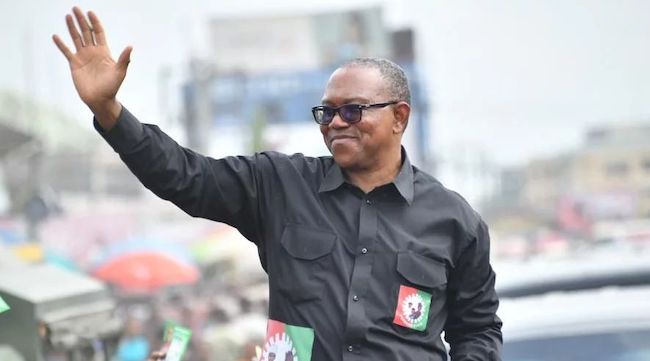
Peter Obi’s most significant political moment came in 2023 when he ran for president under the Labour Party. This campaign generated unprecedented youth engagement and created what became known as the “Obidient Movement”—a grassroots political phenomenon largely driven by young Nigerians seeking change.
His campaign focused on:
- Economic transformation and moving Nigeria “from consumption to production”
- Youth empowerment and job creation
- Improved security
- Educational reform
- Fiscal responsibility and anti-corruption measures
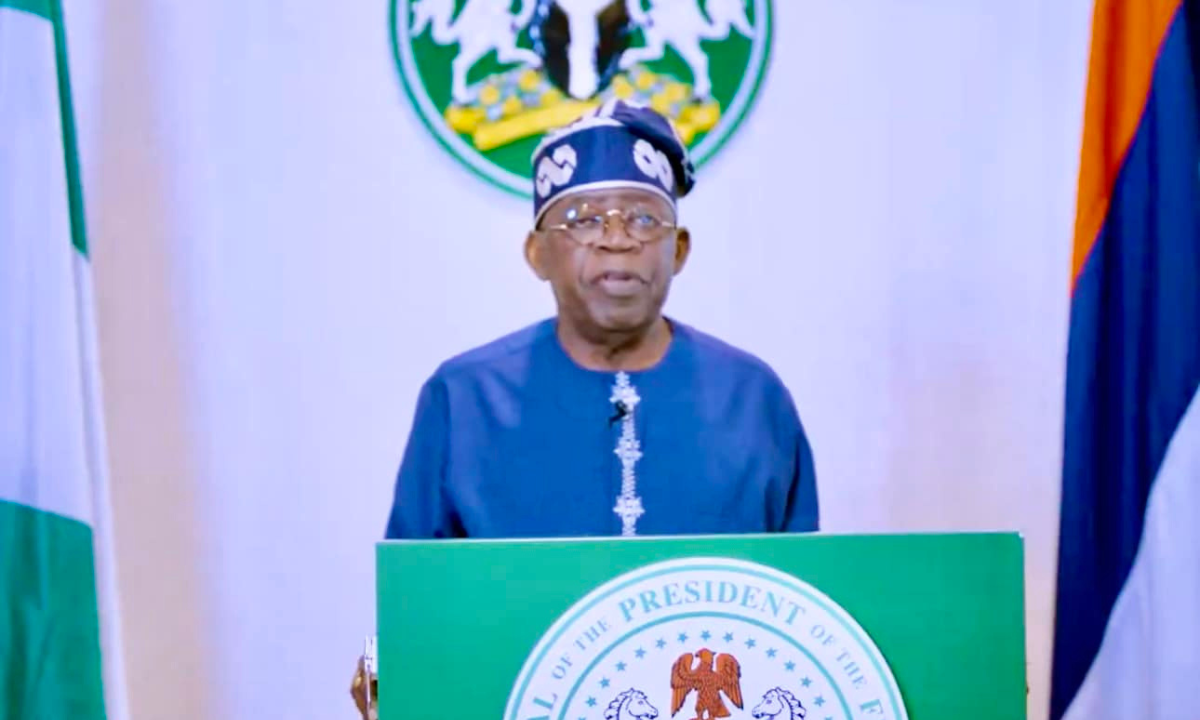
The 2023 election results showed Obi making significant inroads, particularly in the Southeast and parts of Southern Nigeria, though he finished third behind Bola Tinubu (who won) and Atiku Abubakar. The election results were contested, with Obi challenging them in court, though the challenge was ultimately unsuccessful.
Legacy and Continuing Influence
Peter Obi remains an influential voice in Nigerian politics and economics. He is frequently sought after for commentary on economic policies, governance, and development issues. His social media presence and public engagements continue to attract significant attention, particularly among Nigeria’s youth population.
His emphasis on data-driven governance, fiscal discipline, and investment in human capital has influenced political discourse in Nigeria, even among those who may not support him politically. Critics, however, have questioned some of his claims and policy positions, making him a polarizing figure in contemporary Nigerian politics.
Personal Life
Peter Obi is married to Margaret Brownson Obi, and they have two children together. He is a devout Catholic and has been involved in various charitable activities through his foundation and personal initiatives. Known for his relatively modest lifestyle compared to many Nigerian politicians, Obi has cultivated an image of personal discipline that aligns with his political messaging about fiscal responsibility.
Peter Obi’s journey from businessman to governor to presidential candidate represents a significant narrative in Nigerian politics—one that emphasizes competence, fiscal discipline, and youth engagement in the democratic process. Whether viewed as a transformative figure or a controversial politician, his impact on Nigeria’s political landscape, particularly in energizing youth participation, remains undeniable.