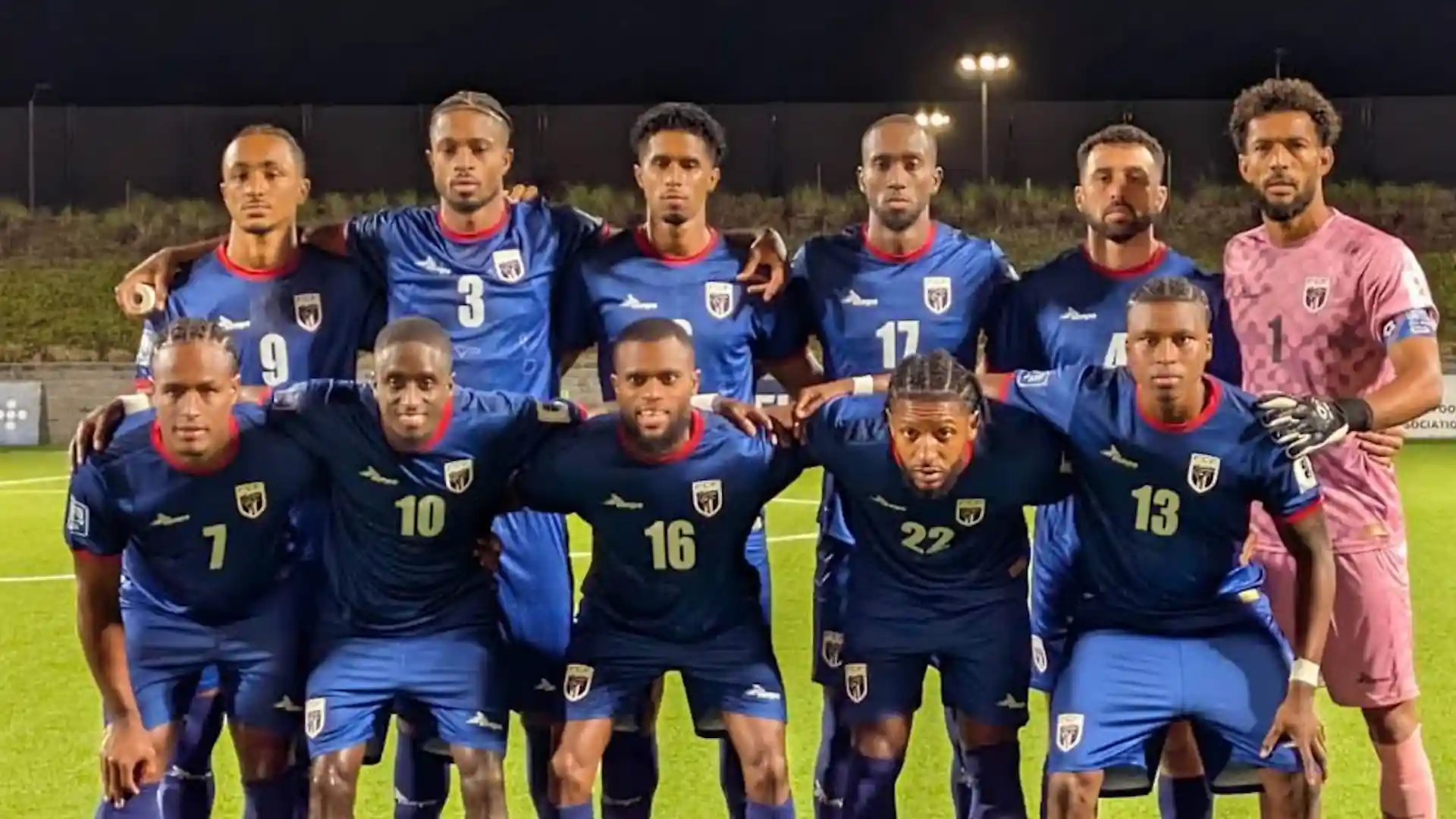
Cape Verde sealed a historic qualification for the 2026 FIFA World Cup after defeating Eswatini 3-0 on Monday, marking the nation’s first-ever appearance at football’s biggest stage.
The island nation, home to roughly 550,000 people off the coast of Senegal, becomes the second-least populous country to qualify for a World Cup, following Iceland’s feat at Russia 2018 with just over 350,000 inhabitants.
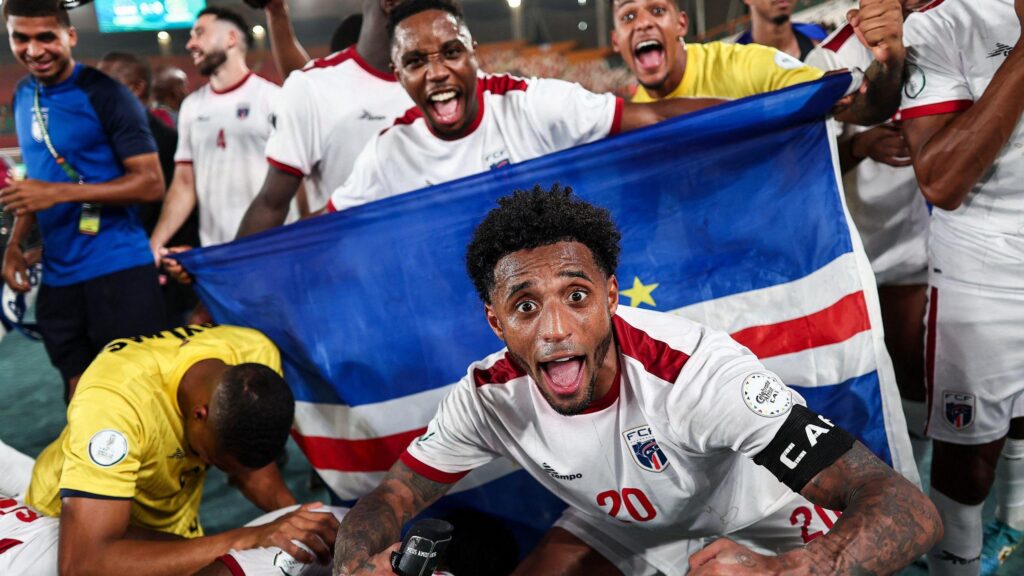
With the victory, Cape Verde topped Group D with 23 points—four ahead of African football giants Cameroon, who were held to a goalless draw by Angola in Yaoundé. Cameroon still holds the record for the most World Cup appearances by an African team, with eight.
“Giving this happiness to these people is enormous… it’s a victory for all the Cape Verdean people and, above all, a victory for those who fought for our independence,” said coach Pedro Brito, emotionally linking the triumph to the 50th anniversary of the nation’s independence.
A teary-eyed Vozinha, the 39-year-old goalkeeper, reflected on the long journey: “I have been dreaming of this moment since I was a child. It’s time to celebrate. We knew we could do better in the second half, and that’s it… it’s time to celebrate.”
After dominating the first half without a breakthrough, the Blue Sharks roared to life in the second period, scoring twice in the opening nine minutes through Dailon Livramento and Willy Semedo before a jubilant 15,000-strong crowd in Praia.
Livramento struck in the 48th minute for his fourth goal of the campaign, while Semedo doubled the lead six minutes later. Substitute Stopira sealed the win in added time, slotting home a loose ball to spark wild celebrations.
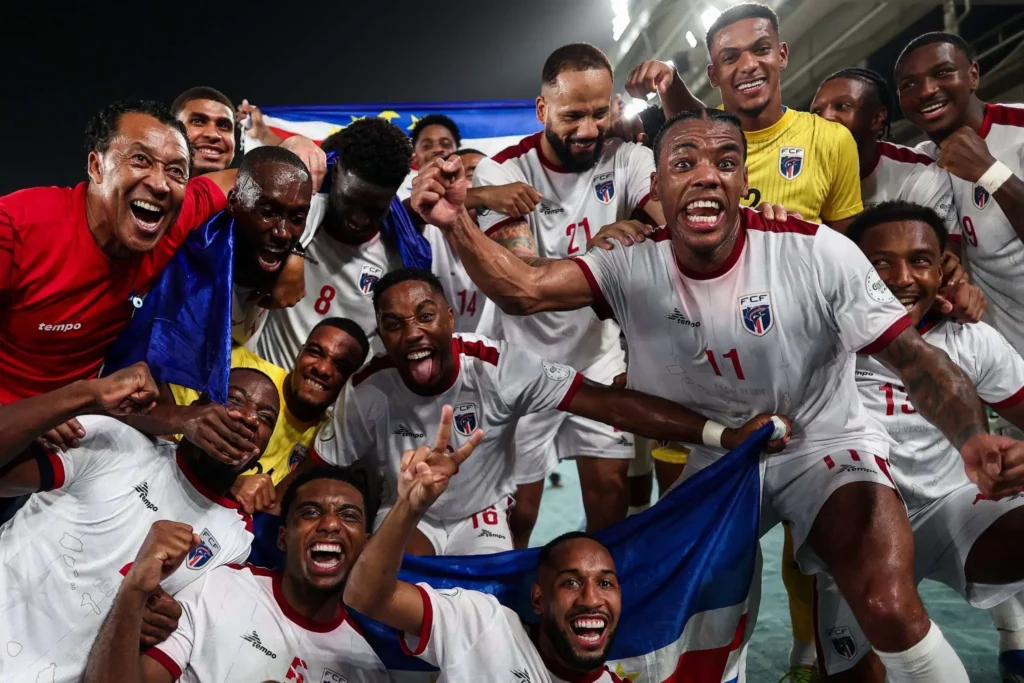
Cape Verde’s team heavily features players born abroad to Cape Verdean parents or grandparents—Livramento was born in Rotterdam, while Semedo hails from near Paris. The team also draws talent from clubs across Portugal, the United States, Ireland, the UAE, Romania, Russia, the Netherlands, Turkey, and Cyprus.
Eswatini, playing a defensive 5-4-1 formation, showed little attacking intent and had no answer once Cape Verde broke the deadlock. The southern African side finished the qualifiers winless, losing seven matches and drawing three.
“It’s too emotional. I embrace all the Cape Verdean people, at home and in our great diaspora,” said goalscorer Stopira. Team captain Ryan Mendes added, “Honestly, I don’t have the words to describe this moment. I’m very, very happy.”
Cape Verde’s journey to glory was far from smooth. They started their campaign slowly, managing only four points from their first three matches after a draw with Angola and a 4-1 defeat in Cameroon. However, the Blue Sharks rebounded spectacularly, winning five consecutive qualifiers, including hard-fought victories away to Angola and at home against Cameroon.
After a dramatic 3-3 draw in Libya earlier this month, Cape Verde needed only one more win to confirm qualification, which they emphatically achieved against Eswatini.
Remarkably, this triumph came less than a year after the team’s failure to qualify for the 2025 Africa Cup of Nations, where they managed just one win in six games. Despite that setback, officials stood by long-serving coach Pedro “Bubista” Brito, who has now rewarded their faith with a place in World Cup history.
A former national team defender with 21 caps, Brito took charge in 2020 after two spells as assistant coach and successful stints in domestic football. Under his leadership, Cape Verde reached the knockout stages in consecutive AFCON tournaments—bowing out in the round of 16 in 2022 and losing to South Africa on penalties in the 2024 quarter-finals.
Now, the Blue Sharks have achieved what once seemed impossible: booking their ticket to the 2026 World Cup and etching their name among football’s remarkable underdog stories.
What you should know
Cape Verde’s qualification for the 2026 FIFA World Cup marks a monumental achievement for the tiny island nation.
Guided by coach Pedro “Bubista” Brito, the Blue Sharks overcame early setbacks and defied expectations to become one of Africa’s newest footballing powerhouses on the global stage.