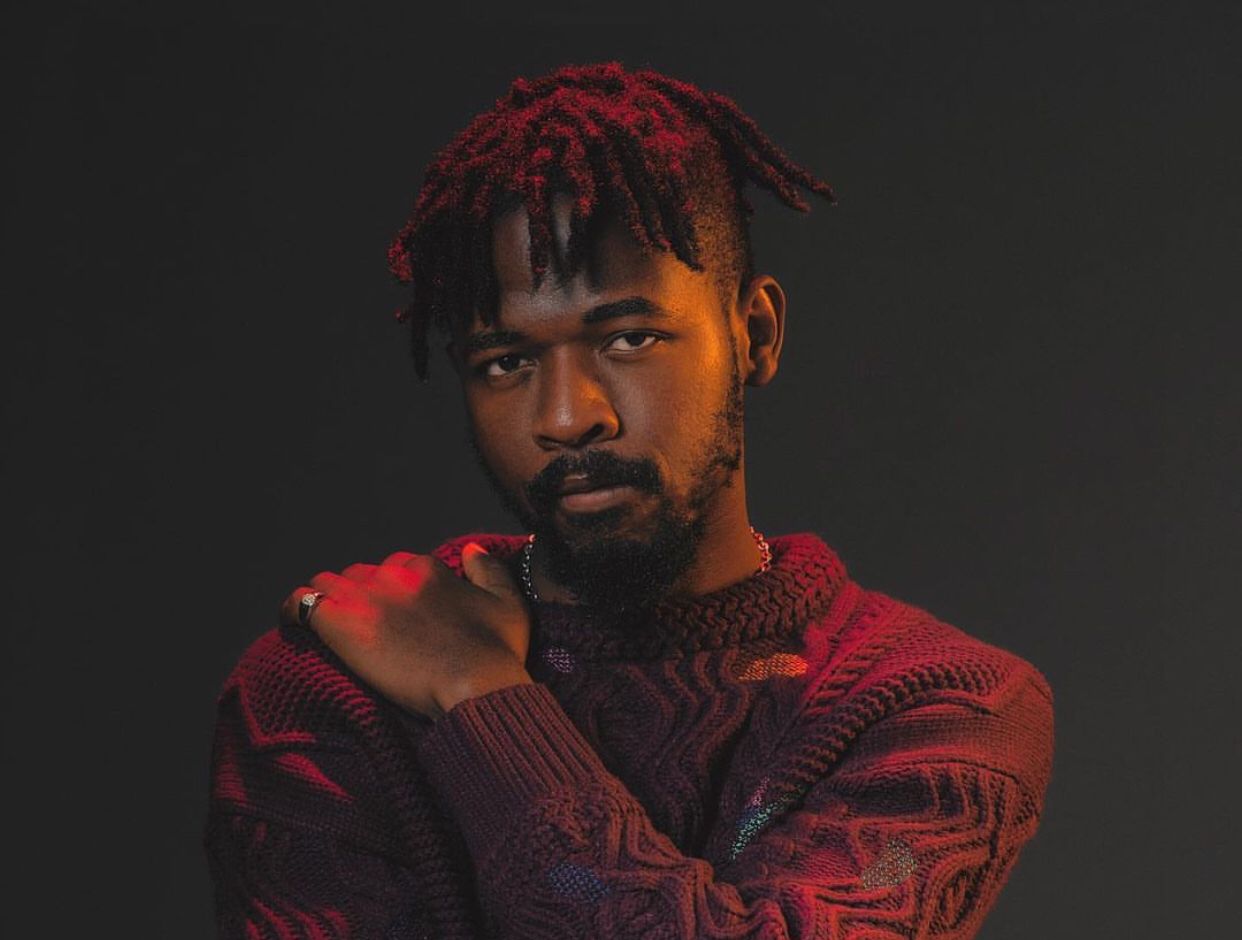
In a candid conversation that has sparked discussion across Nigeria’s entertainment and religious circles, acclaimed singer-songwriter Johnny Drille has addressed the ongoing tension between his deep Christian faith and a musical style that refuses to be confined by traditional gospel boundaries.
Speaking on the CreativiTEA podcast, the Mavin Records artist opened up about what he describes as a calling that exists in the space between worship halls and concert venues—a place where spirituality meets everyday human experience.
“I love God, and I’m very much involved in church, but I never really felt my music was for church,” Drille revealed, acknowledging the unique position he occupies in Nigeria’s diverse musical landscape. “Sometimes I get invited to perform in church, which is quite interesting.”
The admission comes as the singer, whose real name is John Ighodaro, has built a reputation for emotionally resonant ballads that explore themes of love, heartbreak, and human connection—subjects that have earned him both devoted fans and occasional reproach from conservative Christian quarters.
Drille hasn’t been immune to pushback. The artist disclosed that his church performances have sometimes drawn criticism from members of the Christian community who question whether his music belongs in sacred spaces.
“I’ve gotten some backlash from the Christian community whenever I perform in churches,” he admitted. However, the singer mounted a spirited defense of his artistic vision, arguing that positive messaging shouldn’t be monopolized by explicitly religious content.
“But the truth is, my music spreads positivity. It touches the issues the church tries to avoid,” he said, suggesting that his work fills a gap left by institutions that may be reluctant to address certain aspects of the human experience.
Perhaps Drille’s most pointed observation centered on what he perceives as the church’s uncomfortable relationship with romantic love—a theme that dominates his catalog of soulful serenades.
“The church shies away from talking about love,” the singer argued, before highlighting what he sees as a revealing contradiction in Nigerian Christian culture.
“You go to Christian weddings, you hear Davido and Wizkid songs,” he noted, referencing two of Nigeria’s biggest secular music stars whose tracks have become wedding reception staples. “What if the church decides that we want to start doing our own Christian love songs?”
The question strikes at the heart of a broader cultural phenomenon: while Nigerian churches have embraced contemporary gospel music that mirrors popular Afrobeats production, the subject matter remains largely limited to praise, worship, and testimonies—leaving romantic themes to secular artists.
Drille’s comments arrive amid ongoing conversations in Nigeria about the relationship between faith and creativity, particularly as the country’s entertainment industry continues its global ascent. Nigerian artists increasingly navigate questions about authenticity, audience expectations, and the sometimes rigid categories imposed on their work.
The singer’s insistence that spirituality can manifest through songs about human love and emotional vulnerability represents a challenge to traditional religious gatekeeping—one that resonates with younger Christians seeking art that reflects their full lived experience.
As Nigerian music continues to dominate airwaves from Lagos to London, artists like Johnny Drille are redefining what it means to be a person of faith in the entertainment industry—creating space for spiritual expression that doesn’t require a worship leader’s microphone or a church bulletin mention.
Whether the church will answer his call for “Christian love songs” remains to be seen, but Drille appears content to continue occupying his unique position: a believer whose music speaks to the heart in languages the church hasn’t always been willing to teach.
WHAT YOU SHOULD KNOW
Johnny Drille argues that the church has created an unintentional void by avoiding conversations about romantic love—a deeply human and spiritual experience—forcing even Christian weddings to rely on secular artists like Davido and Wizkid for their celebrations.
His central challenge to the religious community is simple yet profound: if the church wants to remain relevant in people’s complete lives—not just their Sunday mornings — it must embrace artists who address the full spectrum of human emotion with positivity and meaning, even if those songs don’t fit conventional ministry structures.
In essence, Drille is advocating for a broader definition of spiritual music that includes love, relationships, and real-life struggles—topics that matter to believers but are often left unaddressed in sacred spaces.