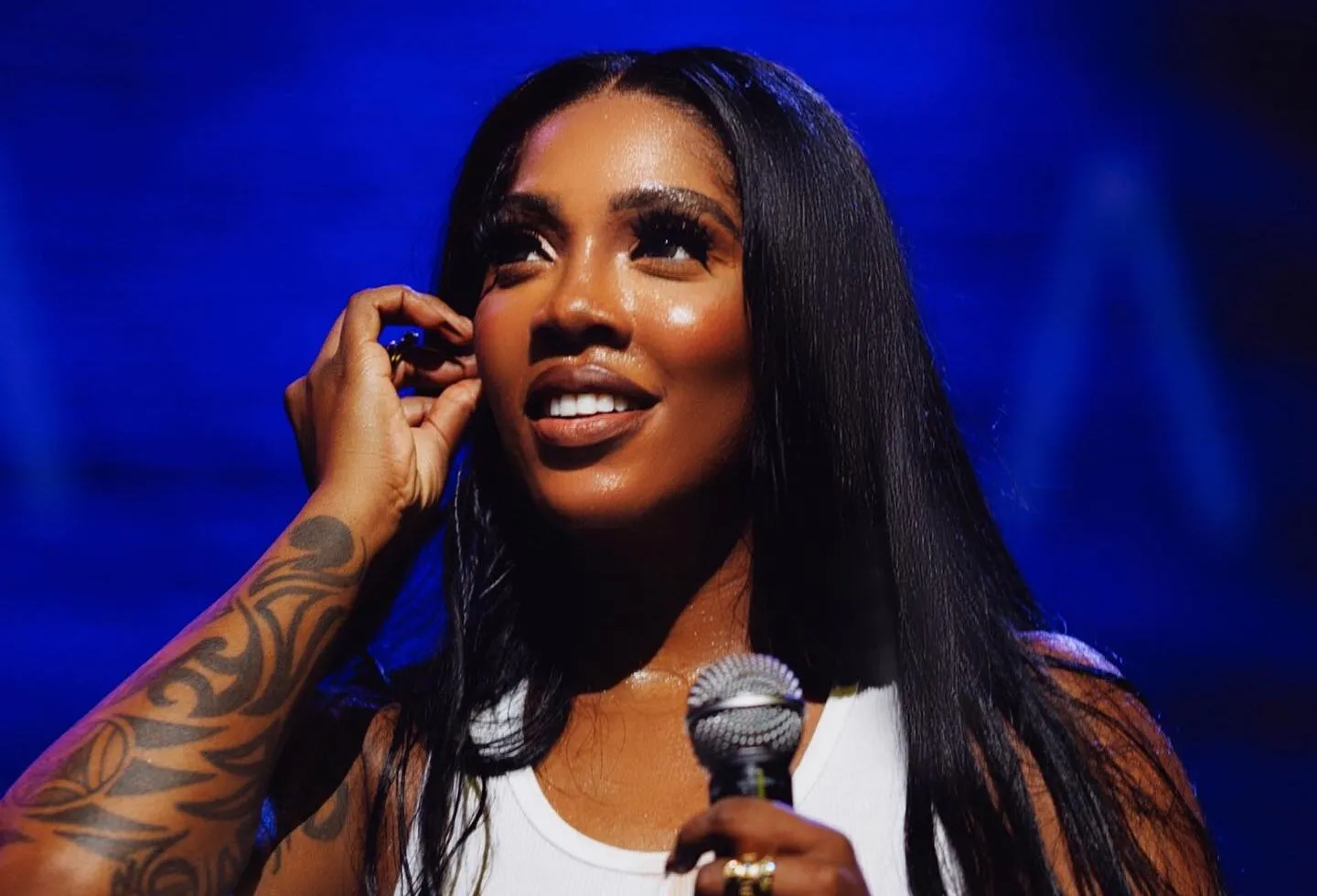
In a candid and combative response to persistent allegations, Afrobeats heavyweight Tiwa Savage has categorically denied claims that she has actively worked to sabotage the careers of fellow female artists in the music industry.
Speaking during a recent appearance on the Offair Show, the “Somebody’s Son” hitmaker directly addressed accusations that have shadowed her reputation for years, issuing a bold challenge to her detractors: provide concrete evidence or cease the accusations entirely.
“If you’ve heard from anybody that I tried to block your bag, mention names,” Savage declared, her tone reflecting frustration with what she describes as unfounded attacks on her character. “Maybe the promoters are lying and using me; maybe they don’t want to book three or four girls. So, they claim I am the one blocking others.”
The controversy surrounding Savage’s alleged behavior dates back several years, most notably to accusations leveled by Kenyan singer Victoria Kimani. Kimani publicly claimed that Savage had indirectly prevented her from securing performance slots at multiple shows, allegations that sparked heated debate within the African music community about solidarity among female artists.
Now, Savage appears to be taking a proactive stance in dismantling these narratives. Rather than accepting blame, she’s pointing the finger at industry middlemen—specifically, show promoters—whom she suggests may be using her name as a convenient scapegoat to justify their own booking decisions.
The singer’s theory raises important questions about the dynamics of the male-dominated music industry, where promoters wield significant power over which artists appear at major events. By suggesting that promoters may limit female representation on lineups while deflecting responsibility onto established stars like herself, Savage is highlighting a systemic issue that extends beyond individual artist feuds.
The timing of Savage’s statement is particularly significant, coming at a moment when conversations about female solidarity in Afrobeats have intensified. With artists like Tems, Ayra Starr, and Asake gaining international recognition, the industry’s treatment of women remains under scrutiny.
Savage’s challenge for specifics and evidence represents a departure from the typical celebrity response to controversy. Rather than issuing vague denials or remaining silent, she’s demanding accountability from those spreading the allegations—a move that could either vindicate her reputation or invite further scrutiny if concrete evidence emerges.
As of press time, neither Victoria Kimani nor other artists have responded publicly to Savage’s latest statements with additional evidence to support their claims.
The broader implications of this dispute extend beyond personal grievances, touching on crucial issues of transparency in the music business, the challenges female artists face in securing equal opportunities, and the ease with which reputations can be damaged in an era of social media-driven narratives.
WHAT YOU SHOULD KNOW
Tiwa Savage has publicly denied sabotaging fellow female artists, challenging accusers to provide proof while suggesting that show promoters may be falsely using her name to justify limiting female representation on their lineups.
Her statement shifts focus from individual artist beef to a potentially larger industry problem: powerful promoters restricting opportunities for women while deflecting blame onto successful female stars.
The central issue isn’t just about Savage’s innocence or guilt—it’s about exposing whether the music industry’s gatekeepers are weaponizing successful women’s names to hide their own discriminatory booking practices.