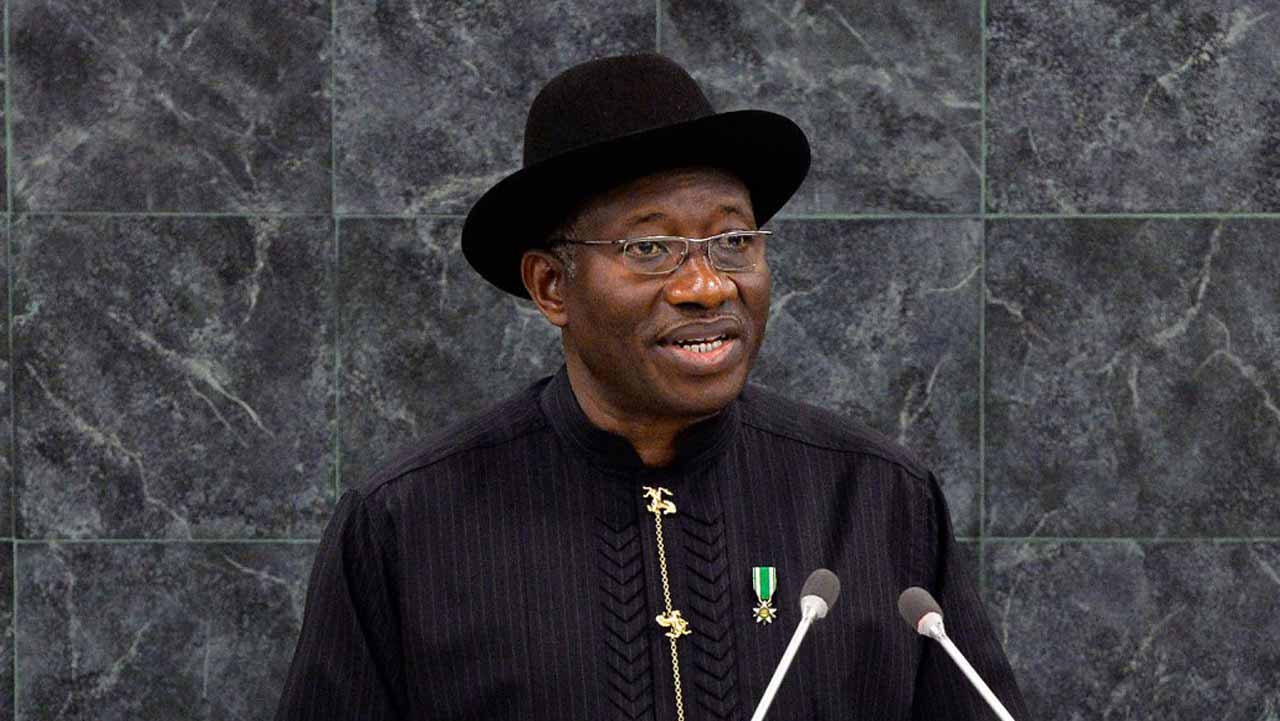
Former President Goodluck Ebele Jonathan disclosed on Friday that Boko Haram insurgents once nominated former President Muhammadu Buhari to represent them in negotiations with the federal government when his administration explored dialogue as a non-combatant approach to ending their activities.
Jonathan made the revelation at the public presentation of SCARS: Nigeria’s Journey and The Boko Haram Conundrum, a book authored by former Chief of Defence Staff General Lucky Irabor, held at the Transcorp Hilton in Abuja.
“One of the major scars on my government is the scar of the Chibok girls. It is a scar that will die with me,” Jonathan said. “I pray that, perhaps one day, the leaders of this group will be literate enough to write a book or come out to tell Nigerians what Boko Haram was all about.”
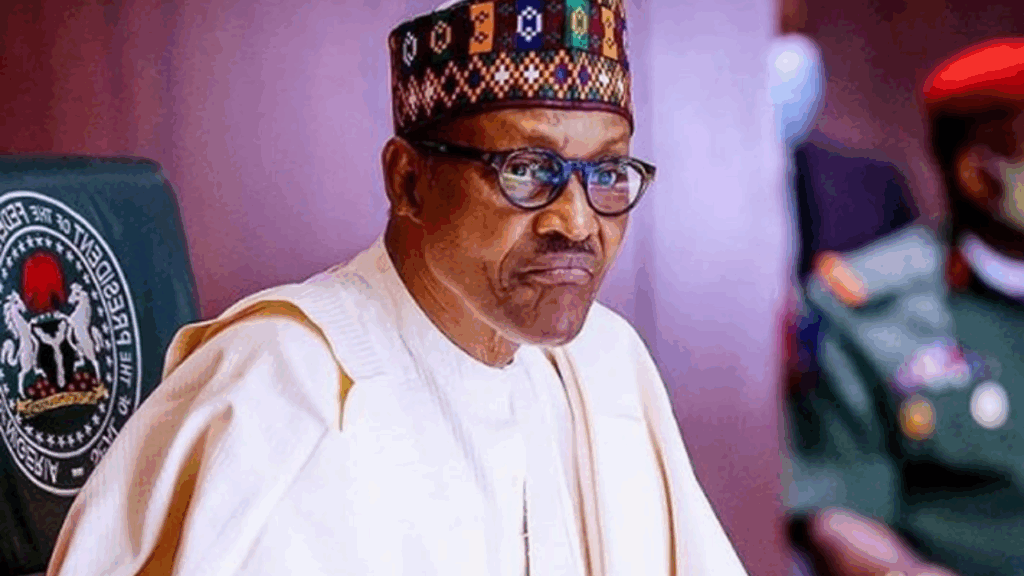
He explained that while his administration set up several committees to explore peace options, Boko Haram at one point insisted Buhari should lead their negotiating team. Jonathan said he had hoped that when Buhari later became president, it might have been easier to reach a truce, but the insurgency persisted.
Reflecting on earlier efforts as vice president under the late President Umaru Yar’Adua, Jonathan recalled supporting negotiations that ended militancy in the Niger Delta. He, however, noted that Boko Haram proved far more complex.
“If you conduct research and interview many people, you will only get part of the story, but never the full story of Boko Haram. I was there. Boko Haram started in 2009 when I was vice president. I took over in 2010 and spent five years battling the insurgency until I left office,” Jonathan said. “I thought that after I left, within a reasonable time, General Buhari would wipe them out. But even today, Boko Haram is still there. The issue of Boko Haram is far more complex than it is often presented.”
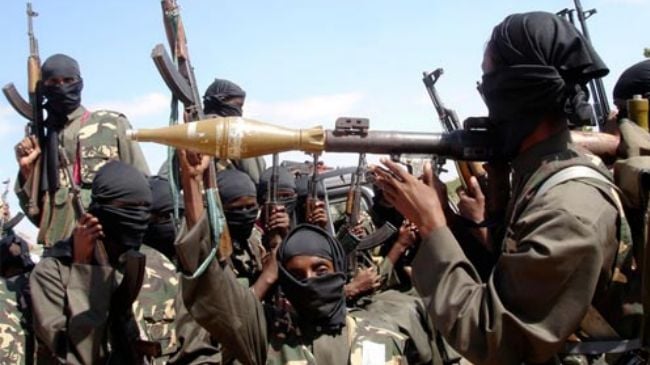
He urged the current administration to apply a balanced approach, combining incentives with pressure. Jonathan also raised concerns over the group’s sophisticated weapons, suggesting foreign involvement.
Representing President Bola Tinubu, the Minister of Defence, Mohammed Abubakar Badaru, described Irabor’s book as “not only history; it provides guidance for the present and serves as a roadmap for the future,” reaffirming government’s commitment to modernising the armed forces and boosting intelligence and regional partnerships.
The event was attended by prominent figures, including the Sultan of Sokoto, Sa’ad Abubakar III; Bishop Matthew Hassan Kukah, who reviewed the book; Chief of Defence Staff General Christopher Gwabin Musa; former National Security Adviser Babagana Monguno; General Alexander Ogomudia (rtd); Vice Admiral Dele Joseph Ezeoba (rtd); and Minister of Budget and National Planning Atiku Bagudu.
What you should know
Goodluck Jonathan’s revelation that Boko Haram once nominated Muhammadu Buhari as their preferred negotiator underscores the depth of the insurgency’s complexity.
Jonathan described the 2014 Chibok girls’ abduction as a permanent scar on his presidency, while also hinting at external involvement in sustaining Boko Haram’s firepower.