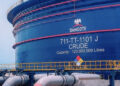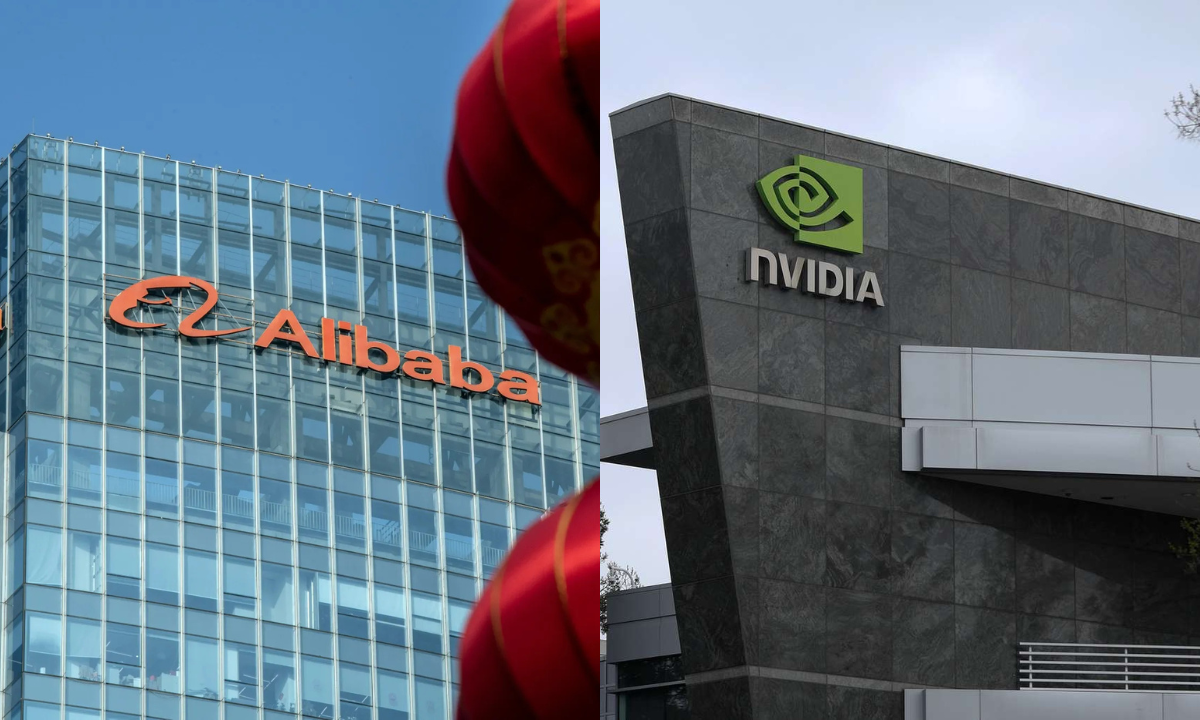
Alibaba announced on Wednesday what it described as a “milestone collaboration” with US chipmaker Nvidia, aimed at accelerating the development of humanoid robots and other physical AI technologies.
The announcement came as Alibaba’s shares surged more than nine percent in Hong Kong, boosted by chief executive Eddie Wu’s pledge to intensify investment in artificial intelligence.
The partnership highlights the ongoing rivalry between China and the United States in the global technology race, with Nvidia, a leading American semiconductor company, at the center of disputes over access to advanced AI chips. Washington currently restricts Nvidia from exporting its most powerful processors to China, citing national security concerns.
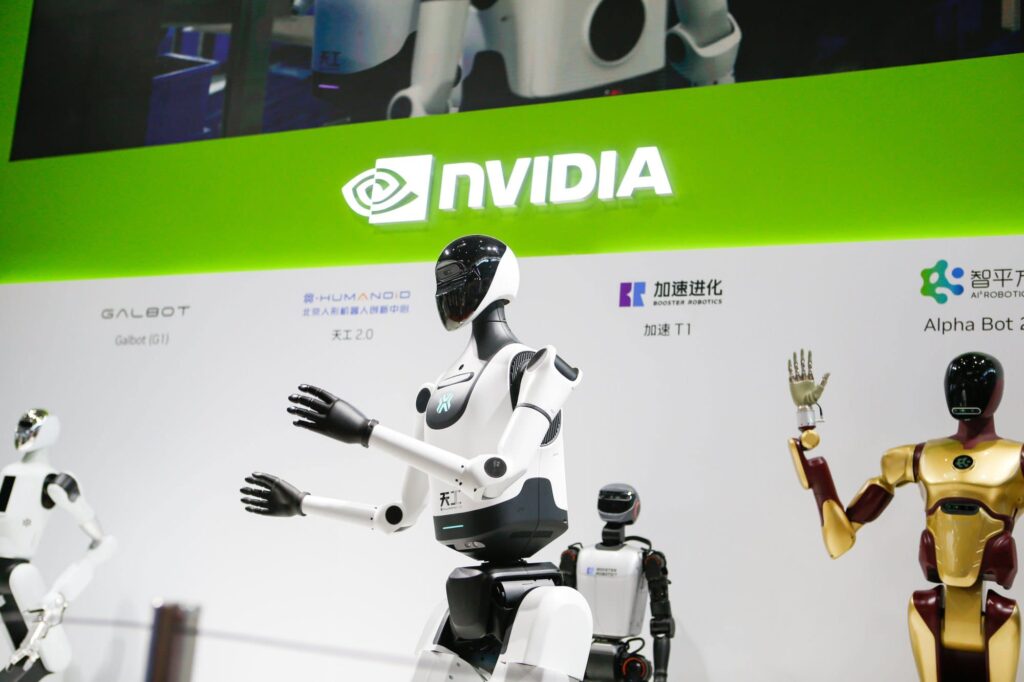
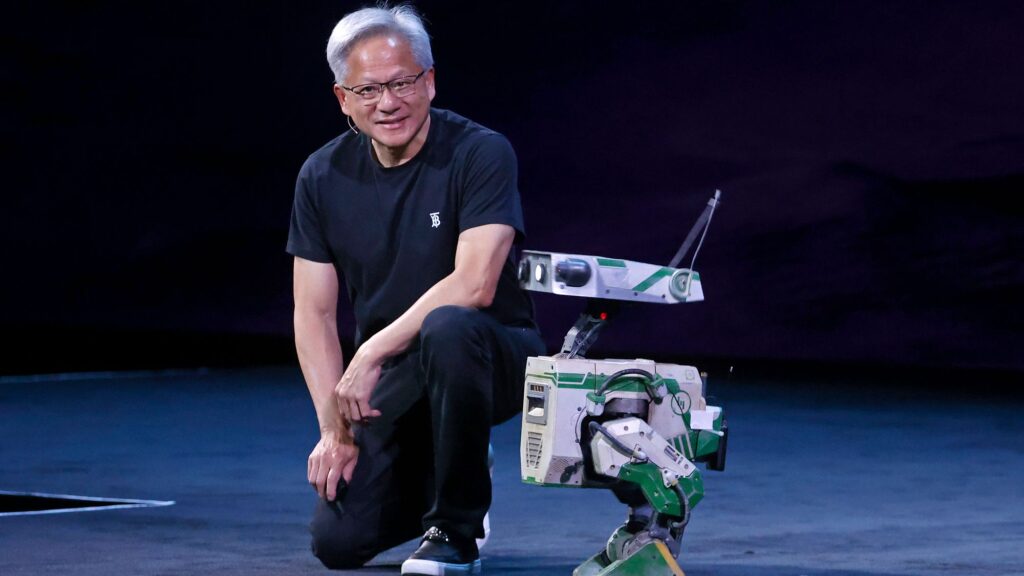
At Alibaba’s annual developers’ conference in Hangzhou, its cloud division revealed it is integrating “the full suite of the Nvidia physical AI software stack, marking a milestone collaboration” in the sector. The company said the initiative will provide developers with a robust, cloud-native platform to speed up advancements in humanoid robotics and physical AI applications.
The announcement underscored Alibaba’s ambitious spending plans. In February, the firm pledged to invest at least 380 billion yuan ($53 billion) into AI and cloud computing over the next three years. On Wednesday, Wu reiterated this commitment, saying, “We are actively proceeding with the 380 billion investment in AI infrastructure, and plan to add more.”
Wu also projected that energy usage in Alibaba Cloud’s global data centers will grow tenfold by 2032 compared with 2022, the year generative AI chatbots began reshaping the tech industry.
China, which in March unveiled a trillion-yuan package to support tech startups in robotics and AI, is already the world’s largest market for industrial robots, according to official statistics. But Beijing has repeatedly raised security concerns about reliance on Nvidia chips, urging local firms to focus on domestic semiconductor suppliers.
The uneasy climate was underscored last week when Nvidia CEO Jensen Huang said he was “disappointed” by reports that China had blocked major firms from purchasing the company’s RTX Pro 6000D processors, custom-made for the Chinese market. This followed Washington’s confirmation that Nvidia would be required to hand over 15 percent of revenue from certain AI chip sales in China.
What you should know
Alibaba’s new partnership with Nvidia reflects both the opportunities and tensions in global AI development.
While the deal marks a major step for humanoid robotics and physical AI in China, it also highlights the deepening US-China rivalry over semiconductor dominance.
With Beijing pushing local alternatives and Washington tightening restrictions, Alibaba’s move signals its determination to stay competitive in a rapidly shifting technological landscape.