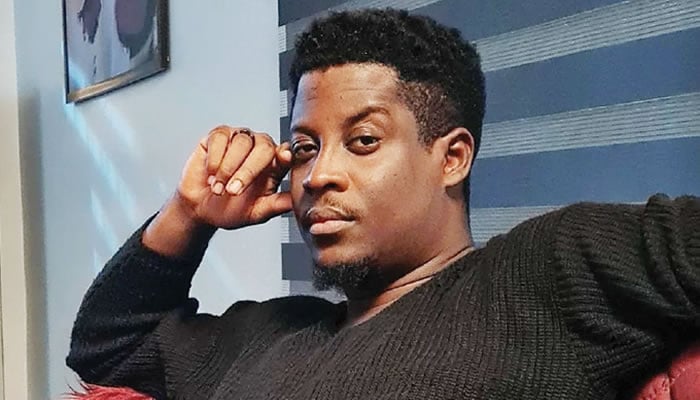
In a candid revelation, medical doctor and entrepreneur Seyi Awolowo, grandson of late Nigerian statesman Obafemi Awolowo, has categorically declared he will never return to the Big Brother Naija reality show, regardless of any future opportunities.
Speaking during a recent appearance on the Old Secrets podcast, the reality TV personality delivered a scathing assessment of his experience on the show, describing it as a period where he was subjected to harassment by what he termed “very low, insignificant, and uneducated people.”
The 30-something businessman, who first gained national attention as a contestant on BBNaija’s fourth season in 2019 before returning for the All-Stars edition, expressed deep regret about his participation, though he maintains he wouldn’t change his actions if given the chance to relive the experience.
Awolowo’s time in the BBNaija house, particularly during the All-Stars season, was marred by significant controversy. His public statements about intending to raise future sons to “run trains” on young ladies and establishing slush funds for such activities drew widespread condemnation, including from the Lagos State Domestic and Sexual Violence Agency.
The backlash was swift and severe, with critics across social media platforms and traditional media outlets denouncing his comments as misogynistic and harmful. The controversy extended beyond entertainment circles, sparking broader conversations about accountability and the influence of reality TV personalities on young audiences.
In his recent podcast appearance, Awolowo reserved particular criticism for what he described as educated elites who, despite their ability to discern truth, chose convenience over principle during his public ordeal.
“I allow myself to get bullied by very, very insignificant and uneducated people. Not to mention the educated ones amongst them can see the truth, but because of convenience, refuse to stand by it,” he stated emphatically.
This pointed critique suggests a deeper frustration with Nigeria’s intellectual class, whom he believes abandoned objectivity in favor of popular opinion during the height of his controversy.
Despite the turbulence, Awolowo maintains a complex relationship with his past actions. While acknowledging that he has “already been chastised and has learned from his mistakes,” he stands firm in his assertion that his fundamental approach wouldn’t change if given another opportunity.
His definitive stance against returning to the show appears to close a chapter on what was once a promising reality TV career. “I will never go back to the show; Multichoice can’t even call me,” he declared, referencing the show’s production company with unmistakable finality.
Awolowo’s revelations highlight the intense scrutiny and long-lasting consequences that reality TV participants face in Nigeria’s highly engaged social media landscape. His previous acknowledgment that “my life was no longer mine” after leaving the BBNaija house underscores the profound personal cost of reality TV fame.
As one of Nigeria’s most-watched reality shows, BBNaija has launched numerous careers while simultaneously destroying others through controversy and public backlash. Awolowo’s case serves as a cautionary tale about the intersection of entertainment, social media, and public accountability in contemporary Nigeria.
The medical doctor’s decision to permanently distance himself from the show that made him a household name marks a significant moment in BBNaija history, potentially influencing how future contestants navigate the complex terrain of reality TV stardom and its aftermath.
WHAT YOU SHOULD KNOW
Seyi Awolowo’s permanent exit from Big Brother Naija serves as a stark reminder of the double-edged nature of reality TV fame in Nigeria. The key takeaway is that controversial statements made on these platforms can have career-ending consequences that extend far beyond the show itself.
His experience reveals how quickly public opinion can turn, particularly when comments are perceived as harmful or offensive, and how the resulting backlash can come from all segments of society—both educated and uneducated audiences.