The Minister of the Federal Capital Territory, Nyesom Wike, has praised the Association of Resident Doctors, FCTA, for suspending their indefinite strike, describing it as a decision taken in the best interest of Abuja residents and Nigerians at large.
The strike, which began last Monday, followed unresolved negotiations with the FCTA over unpaid salary arrears, recruitment of new staff, settlement of the 2025 Medical Residency Training Fund, and other welfare concerns.
Speaking on Friday at the flag-off of the Northern Parkway construction project, Wike commended the efforts of the Chief of Staff, the FCT Civil Service Commission Chairman, the Acting Head of Service, and the Special Adviser on Administration for working with the doctors to end the strike.
“First of all, let me thank the resident doctors of the FCT who have seen reasons for them to call off their strike, for the interest of the FCT, and for the interest of the nation. That is the way it’s supposed to be,” Wike said.

He further disclosed that he had approved virtually all of the doctors’ requests, urging patience and dialogue instead of what he termed “blackmail.”
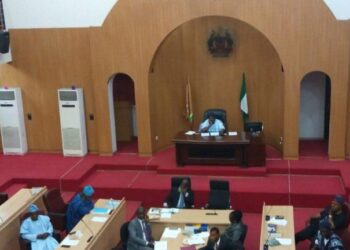
The ARD-FCTA confirmed that members will resume duties by 8 a.m. on Monday. However, its president, Dr George Ebong, noted that none of the association’s demands had been met yet, explaining that the strike suspension followed Senate intervention.
Among the doctors’ demands are the payment of one to six months’ salary arrears for those employed since 2023, recruitment of more staff, settlement of the upward review of the Consolidated Medical Salary Structure, payment of hazard and wage award arrears, improved hospital facilities, and conversion of post-Part II Fellows to consultant cadre within six months of passing.
What You Should Know
FCT Minister Nyesom Wike lauded Abuja resident doctors for suspending their strike, saying all their requests have been approved.
The doctors, however, insist no demand has been met yet, with work resuming Monday after Senate intervention. Their grievances include unpaid salaries, arrears, and poor hospital conditions.