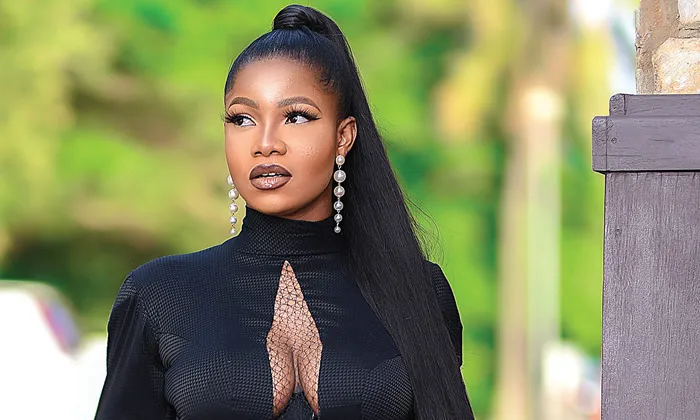
A heated debate has erupted on social media platforms regarding the persistent criticism of Lagos State’s infrastructure by prominent content creators, with former Big Brother Naija contestant Tacha leading a vocal counter-narrative against what she describes as unfair targeting of Nigeria’s commercial capital.
The controversy intensified following a series of viral posts by influencers questioning the state’s infrastructure standards, particularly focusing on drainage systems in upscale neighborhoods. Tacha, whose real name is Natacha Akide, took to her X (formerly Twitter) handle to express frustration with content creators who she believes are engaging in selective criticism.
“All these content creators! Everyday Lagos state Lagos state! One will think ‘Lagos state’ is the only state in Nigeria,” Tacha wrote in her strongly-worded post. “Oyah post ‘highbrow’ area in your own state and you’ll be no where to be found.. doubt you even know who your local govt chairman is.”
Her comments came in direct response to viral content criticizing poor drainage systems in what are considered premium areas of Lagos, highlighting what she perceives as a double standard in how content creators approach infrastructure criticism across Nigeria’s 36 states.
The social media firestorm was further fueled by recent controversial statements from several high-profile personalities, including NYSC member Ushie Uguamaye (known as Raye), popular influencer Scott Iguma, and comedian Acapella. These content creators sparked widespread debate after making disparaging remarks about Lagos State, with some claiming the state “smells”—allegations that quickly went viral and drew significant public attention.
The criticism did not go unnoticed by Lagos State officials. Tokunbo Wahab, the state’s Commissioner of Environment and Water Resources, moved swiftly to address the allegations, categorically rejecting the claims and suggesting a more sinister motive behind the negative portrayal.
“Some individuals are deliberately trying to tarnish the image of the state,” Wahab stated in his response, indicating that the government views these criticisms as part of a coordinated effort to damage Lagos State’s reputation rather than legitimate concerns about infrastructure development.
This development highlights the growing tension between social media influencers and government officials over public discourse regarding state infrastructure and governance. Lagos State, as Nigeria’s economic hub and most populous state, frequently finds itself at the center of national conversations about urban development, infrastructure challenges, and quality of life.
The debate also raises questions about the responsibility of content creators in shaping public opinion and whether their criticism constitutes constructive feedback or unfair targeting. Tacha’s intervention suggests a growing sentiment among some public figures that Lagos State faces disproportionate scrutiny compared to other Nigerian states with similar or worse infrastructure challenges.
As this controversy continues to unfold across social media platforms, it underscores the complex relationship between digital influence, public accountability, and regional development discourse in contemporary Nigeria. The incident also demonstrates how quickly local infrastructure debates can escalate into broader discussions about media responsibility and government transparency in the digital age.
The Lagos State government‘s defensive response and Tacha’s pointed criticism of content creators suggest this debate is far from over, with both sides likely to continue engaging in what has become a very public conversation about infrastructure, accountability, and the role of social media in civic discourse.
WHAT YOU SHOULD KNOW
A public dispute has emerged between content creators and Lagos State officials over infrastructure criticism. Former BBNaija star Tacha accused influencers of unfairly targeting Lagos while ignoring problems in their own states, following viral posts by several creators claiming Lagos “smells” and has poor drainage systems.
The state’s Environment Commissioner dismissed these claims as deliberate attempts to damage Lagos’ reputation. This controversy highlights the growing tension between social media influence and government accountability in Nigeria’s digital age.