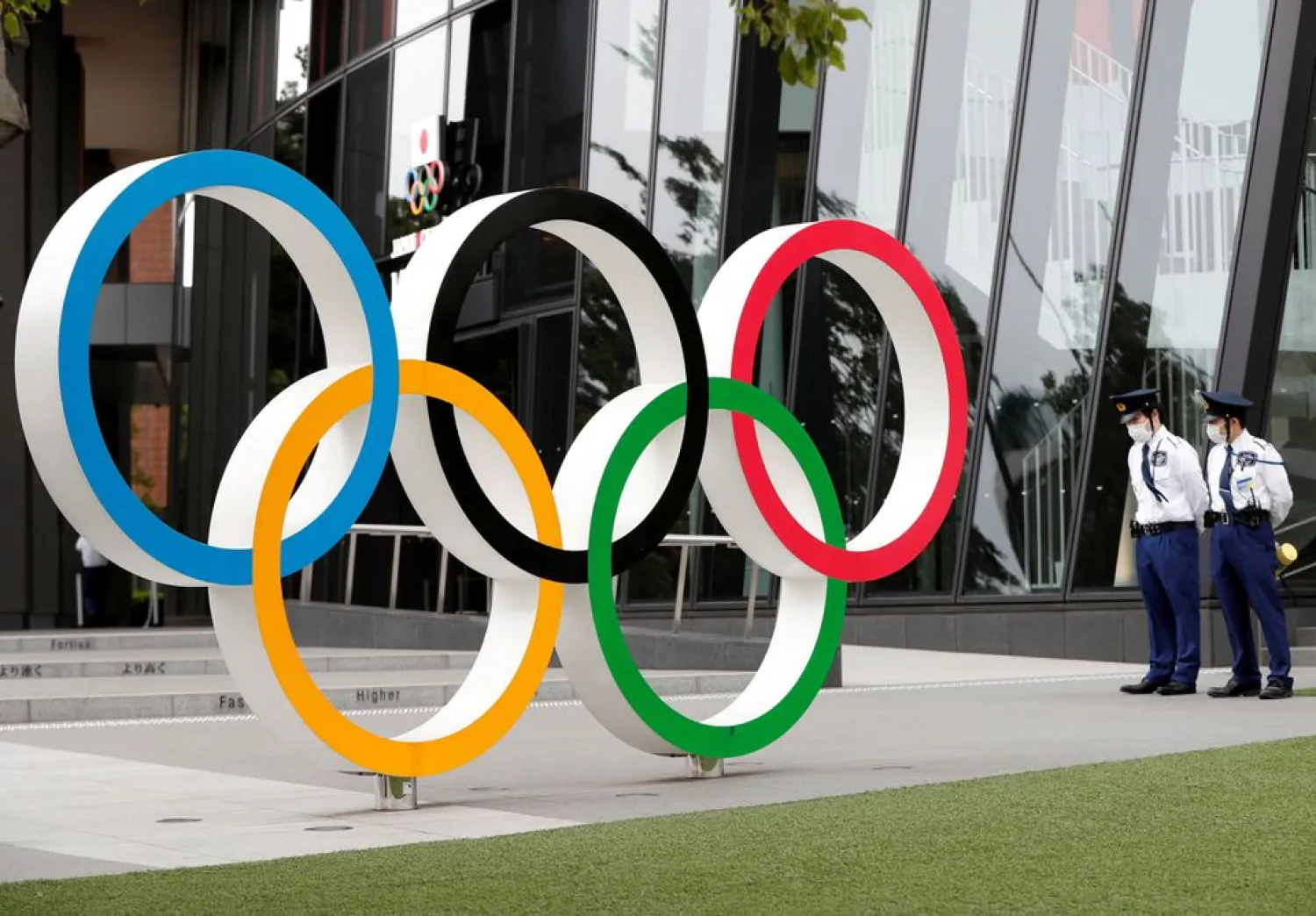
India is striving to shed its image as one of the world’s leading doping offenders as the country pursues an ambitious campaign to host the 2036 Olympic Games.
Concerns from the International Olympic Committee (IOC) about widespread use of performance-enhancing drugs among Indian athletes have cast a shadow over the bid, and even the country’s most celebrated sports figure has acknowledged the challenge.
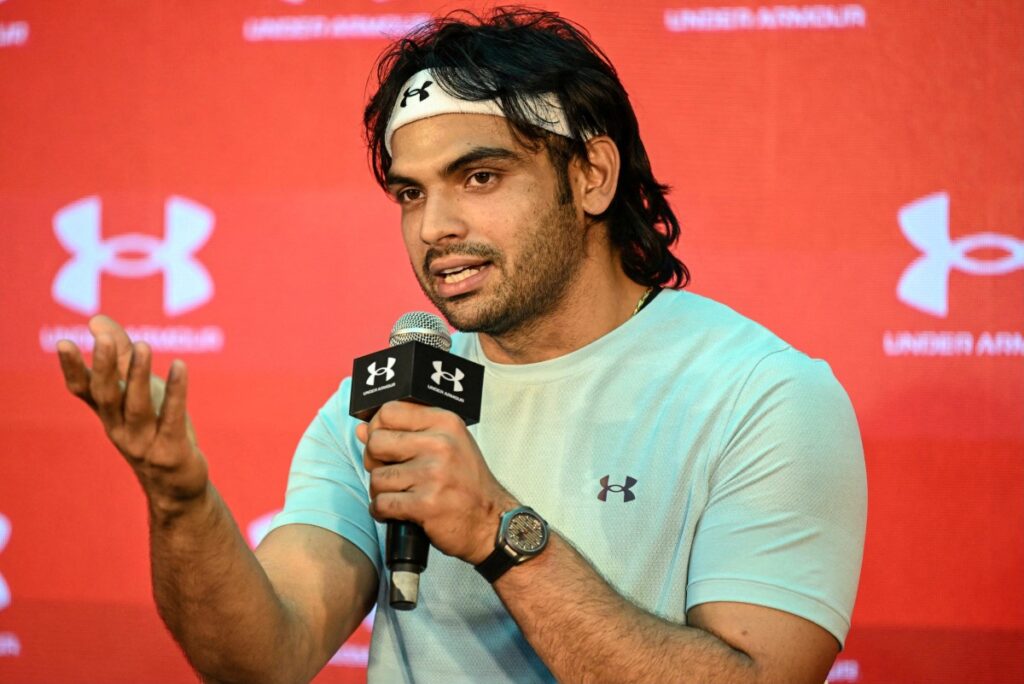
Olympic javelin champion Neeraj Chopra, who won gold in Tokyo in 2021, spoke candidly earlier this year. “Doping is a big problem in India among our athletes,” he told local media, urging his compatriots instead to “eat well, rest well and work hard.” His admission underscores the urgency of the problem as India seeks to convince the IOC of its credibility as a future Olympic host.
In response, the Indian Olympic Association (IOA) last month created a new anti-doping panel after the IOC raised red flags over the nation’s poor record. The government has also passed a national anti-doping bill aimed at tightening enforcement, expanding testing capacity, and pledging to “ensure the highest standards of integrity” in Indian sport.
“Obviously the IOC would want to make sure that in awarding the Games to a country, the host has a robust doping policy and governance,” Michael Payne, a former IOC marketing director, told AFP.
According to the World Anti-Doping Agency (WADA), India is among the top offenders in countries that submit more than 1,000 samples. The National Anti-Doping Agency (NADA), however, maintains that the figures highlight more extensive testing in the country of 1.4 billion people. From 5,606 samples taken in 2023, 213 tested positive, with the banned steroid stanozolol identified as the most common drug used.
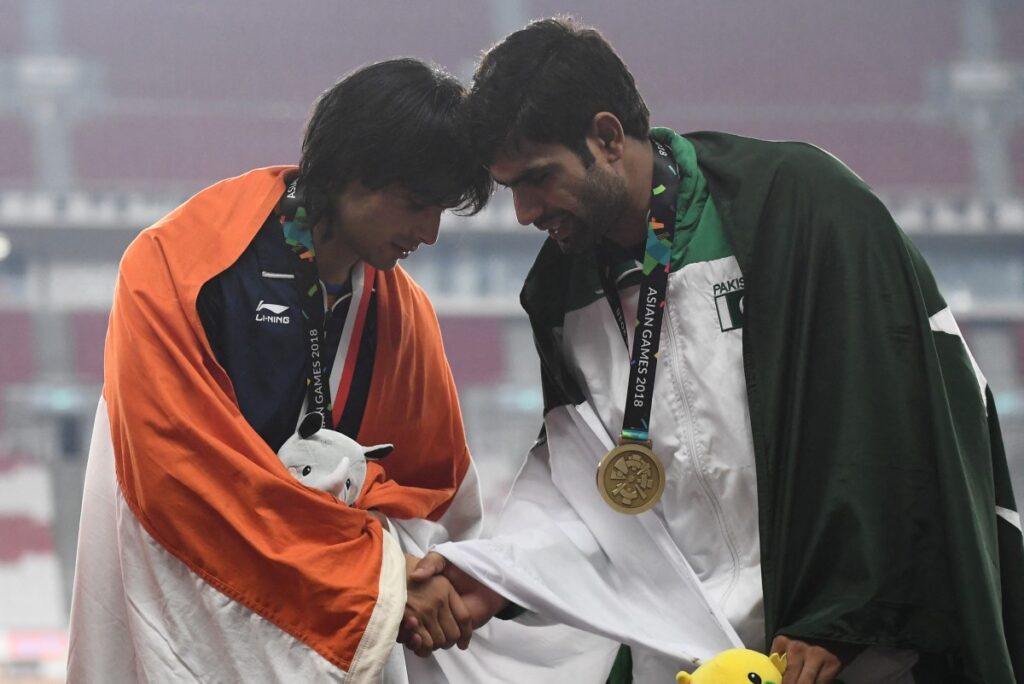
Despite its enormous population, India has managed to win just 10 Olympic gold medals in its history. Experts argue that the hunger for success, and the lure of escaping poverty, lead some athletes to take dangerous risks. In India, sporting triumph often opens the door to secure government jobs in the police or armed forces, providing financial stability long after athletic careers end.
“Athletes know that they can be punished but still put their careers at stake,” said lawyer Saurabh Mishra, who has represented athletes accused of doping. “(They know that) getting a medal will help them clinch a government job.”
Athletics tops the list of doping violations, followed closely by wrestling. Nineteen wrestlers were recently banned, and in July, under-23 champion and Paris Olympics quarter-finalist Reetika Hooda tested positive and was provisionally suspended. Mishra noted that while some athletes unknowingly consume banned substances through supplements or medication, others deliberately take shortcuts, sometimes at the urging of their coaches.
Sports medicine specialist Saranjeet Singh, who has researched doping extensively, said the surge in violations is only partly due to stricter testing. “They cannot achieve the level of performance that they want at international level and use banned drugs for a short cut,” Singh explained.
Beyond doping, India faces broader challenges as it seeks to host the 2036 Games, competing against countries such as Indonesia, Turkey, Chile, and Qatar. Payne pointed out that many previous Olympic hosts had checkered doping histories, but India’s larger obstacle lies in organizational credibility. He referenced the 2010 Commonwealth Games in New Delhi, marred by corruption scandals and logistical failures, as a major stumbling block. “That is the biggest hurdle facing India’s bid,” Payne said.
What you should know
India’s campaign to host the 2036 Olympics is under scrutiny as doping violations continue to tarnish its sporting image.
With more than 200 positive tests recorded in 2023, officials are tightening anti-doping measures, but critics argue organizational credibility, particularly after past scandals, remains the bigger barrier to convincing the IOC.