The Socio-Economic Rights and Accountability Project (SERAP) has taken legal action against the Revenue Mobilisation Allocation and Fiscal Commission (RMAFC) over its proposal to raise the salaries of political and public office holders in the country.
The category of officials affected by the proposal includes the President, Vice President, state governors, their deputies, and members of the National Assembly.
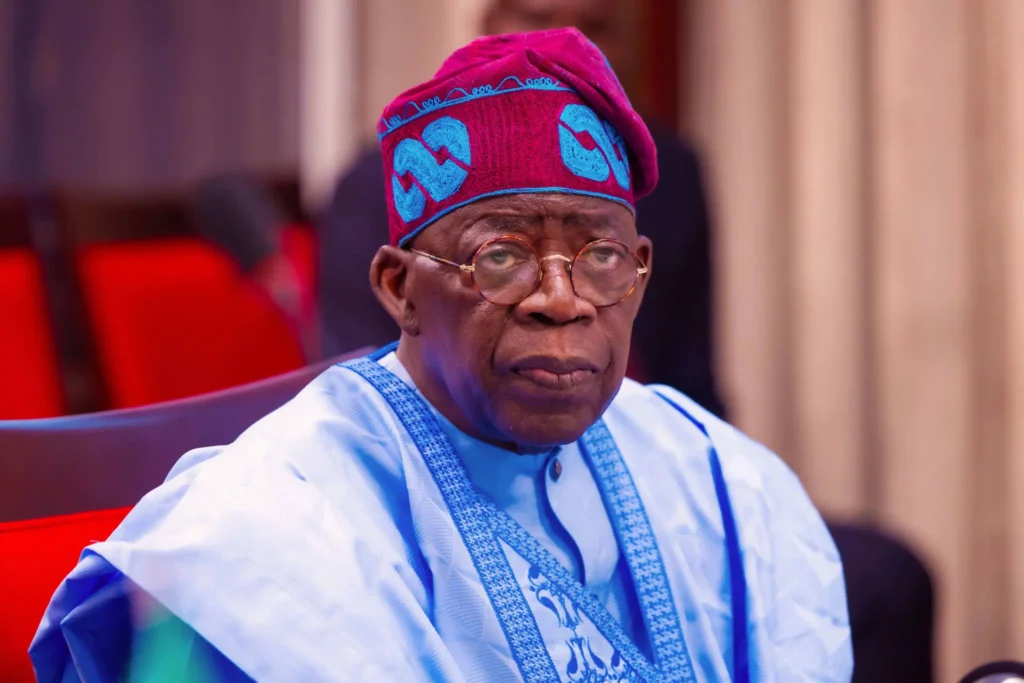
The move comes after the RMAFC Chairman, Mohammed Shehu, disclosed last month that the commission was working on an upward review of these salaries, insisting that the pay for these top government officials was “paltry.” Shehu explained that President Bola Tinubu currently receives N1.5 million per month, an amount he described as laughable for a nation with a population exceeding 200 million people, noting that the figure has remained unchanged since 2008.
In a statement released on Sunday, SERAP’s Deputy Director, Kolawole Oluwadare, confirmed that the organisation had filed a lawsuit against the commission, although a date for the court hearing has not yet been fixed.
According to him, the case, which has been filed under suit number FHC/ABJ/CS/1834/2025 at the Federal High Court in Abuja, seeks to establish whether the proposed salary adjustment for the president, vice president, governors, their deputies, and federal lawmakers is not unlawful, unconstitutional, and inconsistent with the rule of law.
SERAP is asking the court to declare that the planned review of salaries for political leaders is not only unlawful but also unconstitutional, stressing that it violates the provisions of the 1999 Constitution as amended as well as the RMAFC Act.
The group is urging the court to stop the commission, its officials, and agents from taking any steps towards the implementation of an increase and to instead compel a downward review of the existing salaries and allowances of the president, vice president, governors, their deputies, and legislators to reflect the harsh economic realities facing the nation.
Oluwadare argued that blocking the commission from arbitrarily raising the pay of political leaders would safeguard the interest of the public, who are already bearing the brunt of widespread economic hardship. He emphasised that reducing, rather than raising, the salaries of these leaders would align with the provisions of the Nigerian Constitution, uphold the country’s international human rights obligations, and reflect the dire economic circumstances confronting millions of citizens.
What You Should Know
SERAP has dragged RMAFC to court over its proposal to raise salaries for Nigeria’s top political leaders.
The group insists that such a move would be unconstitutional and insensitive, urging instead that their pay be reduced to reflect the country’s economic hardship and to protect the interest of ordinary Nigerians.