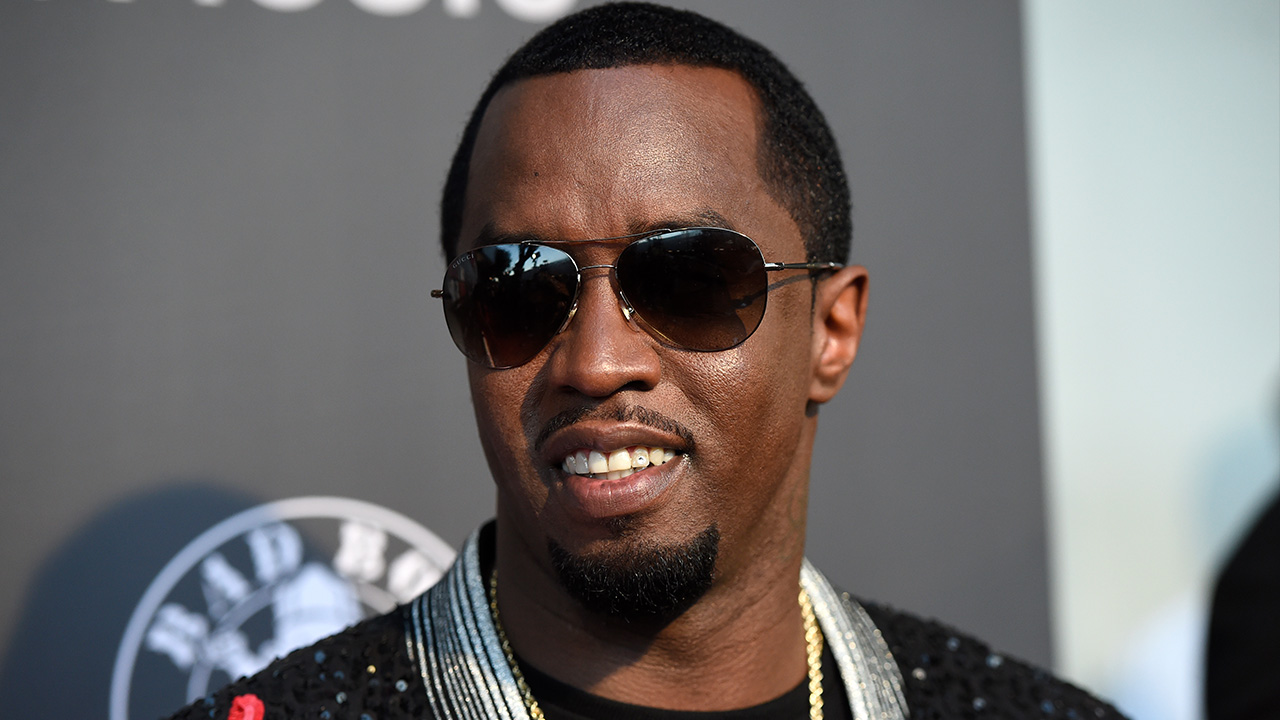
In a significant legal development, music industry titan Sean “Diddy” Combs has scored a courtroom victory amid the mounting legal case surrounding the embattled mogul, as a New York judge dismissed a civil lawsuit alleging sexual assault dating back nearly a decade.
The case, filed in February by an anonymous plaintiff identified only as “John Doe,” centered on allegations stemming from a 2015 incident at a Los Angeles nightclub. The accuser, who claimed to be a 23-year-old aspiring artist at the time, alleged that Combs drugged and sexually assaulted him after providing him with a drink that caused him to lose consciousness. The lawsuit further alleged that Combs threatened to destroy the plaintiff’s music career prospects if he resisted the alleged assault.
The presiding judge ruled that the case could not move forward due to expired statute of limitations protections. Under the law in effect at the time of the alleged incident, victims had a five-year window to file such claims—a deadline that had long since passed when the February lawsuit was filed.
The ruling highlighted a critical legal technicality that has implications for similar cases. While New York State extended the statute of limitations for sexual assault cases from five to 20 years in 2019, the court determined that this legislative change was not retroactive and therefore could not be applied to incidents that occurred before the law took effect.
The dismissal extended beyond Combs personally, with claims against his business entities—including the iconic Bad Boy Entertainment and Combs Enterprises—also thrown out by the court. The lawsuit was filed by attorney Tony Buzbee, who has been involved in multiple cases against the music executive.
This victory represents a rare bright spot for Combs’ legal team as he faces an avalanche of civil litigation. Legal experts note that while this particular case was dismissed on procedural grounds rather than the merits of the allegations, it demonstrates the importance of timing in civil sexual assault cases and the complex interplay between evolving state laws and existing legal protections.
Despite this civil court victory, Combs continues to face far more serious challenges in the federal criminal justice system. The 54-year-old music mogul, who built a entertainment empire spanning music, fashion, and media, is scheduled for sentencing on October 3 in his federal criminal case—proceedings that could fundamentally alter the trajectory of both his personal freedom and business empire.
The federal case represents the most significant legal threat to Combs, as criminal convictions carry the potential for substantial prison time, unlike civil lawsuits which typically result in monetary damages.
Court observers note that this dismissal is part of a series of recent rulings that have gone in Combs’ favor in various civil matters, though he continues to face numerous active cases across multiple jurisdictions. The pattern suggests that while Combs’ legal team has been successful in defending against some civil claims, the sheer volume of litigation continues to present significant challenges.
The case underscores the complex legal landscape surrounding high-profile figures facing multiple allegations across different time periods, jurisdictions, and legal standards. As the October sentencing date approaches, legal analysts will be watching closely to see whether this civil court victory provides any momentum for Combs’ defense strategy in the more consequential criminal proceedings.
WHAT YOU SHOULD KNOW
Sean “Diddy” Combs won a rare legal victory when a New York judge dismissed a 2015 sexual assault lawsuit—not because the allegations were disproven, but simply because the accuser waited too long to file. The five-year statute of limitations had expired, and while New York later extended this to 20 years in 2019, the change doesn’t apply retroactively to older cases.