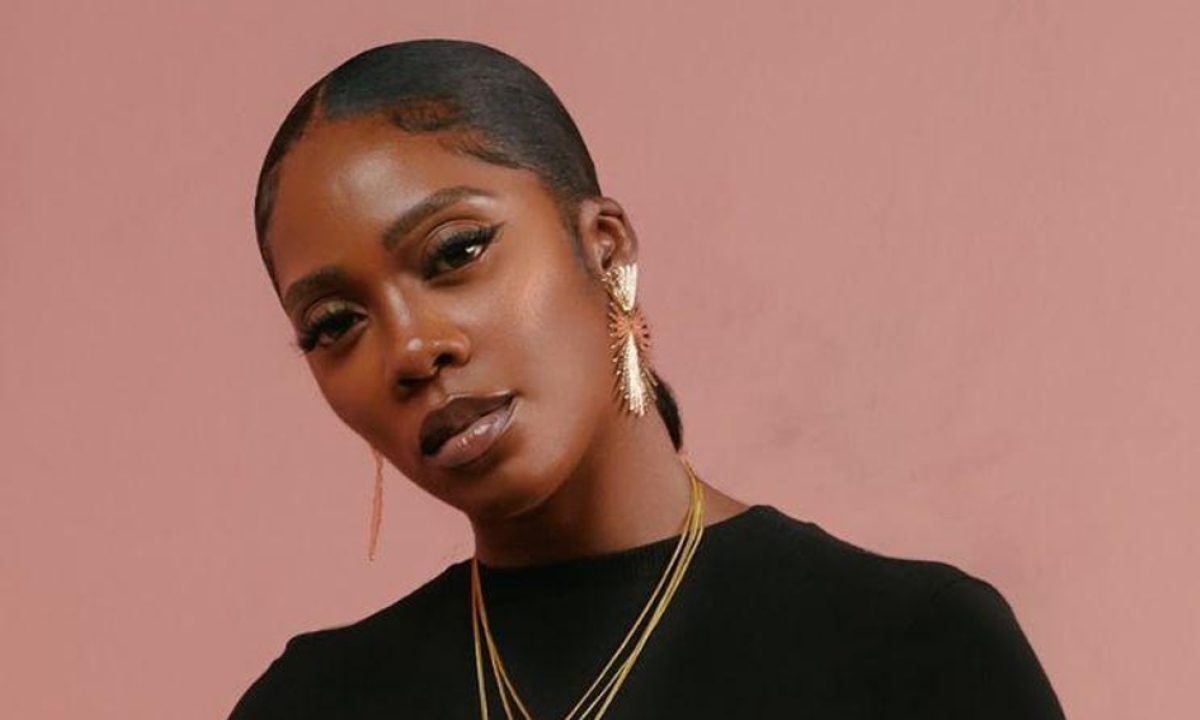
In a deeply personal revelation that has resonated across social media platforms, award-winning Nigerian singer Tiwa Savage has disclosed her ongoing struggle to find authentic romantic love, despite her global success and status as one of Africa’s most celebrated artists.
Speaking during a recent interview with media personality Zeze Mills, the 44-year-old “Somebody’s Son” hitmaker made the startling admission that she has “yet to experience true love” outside of the unconditional bond she shares with her son, Jamil.
“I don’t think I’ve experienced true love apart from my son,” Savage confessed, her vulnerability cutting through her typically composed public persona. “Because every time I look back at all my relationships, I’m like, ‘Nah, that wasn’t love. I was just infatuated.”
The Grammy-nominated artist, whose real name is Tiwatope Savage-Balogun, reflected on her romantic history with the kind of brutal honesty rarely seen from public figures of her stature. She distinguished between the intense emotions she felt in past relationships and what she now recognizes as genuine love, suggesting that hindsight has provided painful clarity.
“At that time, I thought I was in love. I don’t think I experienced true love even when I was married,” she revealed, referencing her highly publicized marriage to music executive Tunji “Teebillz” Balogun.
The couple’s relationship, which began as a professional partnership when Balogun served as Savage’s manager, blossomed into romance and marriage in 2013. Their union was initially celebrated as a power couple success story in Nigeria’s entertainment industry. However, the marriage became increasingly turbulent, with public disputes and allegations surfacing before their eventual divorce in 2018.
Despite the acrimonious end to their relationship, the marriage produced Savage’s son Jamil, now 9, whom she frequently describes as the light of her life. The singer has been notably protective of her child’s privacy while simultaneously expressing how motherhood has transformed her understanding of unconditional love.
Perhaps most striking was Savage’s resigned conclusion about her romantic future. “Maybe love isn’t for me because I have tried over and over again, so maybe love isn’t for me this lifetime,” she stated, her words carrying the weight of someone who has repeatedly opened herself to vulnerability only to face disappointment.
This admission comes from an artist who has built much of her musical career exploring themes of love, heartbreak, and female empowerment. Songs like “All Over” and “Koroba” have established her as a voice for African women navigating modern relationships, making her revelations all the more poignant for her millions of fans.
Industry observers note that Savage’s candor reflects a broader conversation about the challenges successful women face in finding lasting romantic partnerships. Her experience mirrors that of many accomplished women who find that professional success can sometimes complicate personal relationships.
Since her divorce, Savage has been linked to various high-profile figures but has largely kept her private life away from public scrutiny. Her latest admission suggests that despite her continued search for love, she has yet to find the authentic connection she seeks.
The interview has sparked widespread discussion on social media, with many praising Savage’s honesty while others offer encouragement and share similar experiences. Mental health advocates have also highlighted the importance of public figures speaking openly about emotional struggles, noting that Savage’s transparency could help others feel less alone in their romantic journeys.
As one of Nigeria’s most successful musical exports, with international collaborations and performances that have taken African music to global stages, Savage’s revelation adds another dimension to her public narrative—one that reminds fans that professional success doesn’t guarantee personal fulfillment.
At 44, Savage remains at the peak of her career, but her interview suggests that her greatest achievement—finding true romantic love—may still elude her. Whether this represents a temporary setback or a permanent acceptance of her romantic reality remains to be seen, but her willingness to share this struggle publicly demonstrates the authenticity that has made her not just a musical icon but a relatable figure for millions of fans across Africa and beyond.
WHAT YOU SHOULD KNOW
At 44, Nigerian superstar Tiwa Savage has publicly admitted she has never experienced true romantic love, including during her failed marriage to Teebillz. Despite her massive career success, she distinguishes between past “infatuation” and genuine love, with only her son Jamil representing authentic love in her life.
Her candid revelation—that “maybe love isn’t for me this lifetime”—highlights how professional achievement doesn’t guarantee personal fulfillment and resonates with many successful women facing similar romantic challenges.
The admission has sparked important conversations about love, vulnerability, and the courage to speak honestly about personal struggles despite public success.