US semiconductor giant Nvidia announced on Tuesday that it is preparing to resume sales of its H20 artificial intelligence chips to China after receiving assurances from Washington that export licenses will be granted.
The move marks a significant shift in trade relations following months of restrictive US export controls aimed at curbing China’s access to cutting-edge technology.
The H20 chip, a toned-down version of Nvidia’s advanced AI processors, was developed to comply with US export regulations that prohibit the sale of the company’s most powerful chips to China.
These restrictions were implemented amid growing concerns that such technologies could enhance China’s military capabilities. However, plans to export the H20 were disrupted earlier this year when the Trump administration tightened licensing requirements in April.
In a statement released on Tuesday, Nvidia said it has begun “filing applications to sell the Nvidia H20 GPU again,” adding that “the US government has assured Nvidia that licences will be granted, and Nvidia hopes to start deliveries soon.”
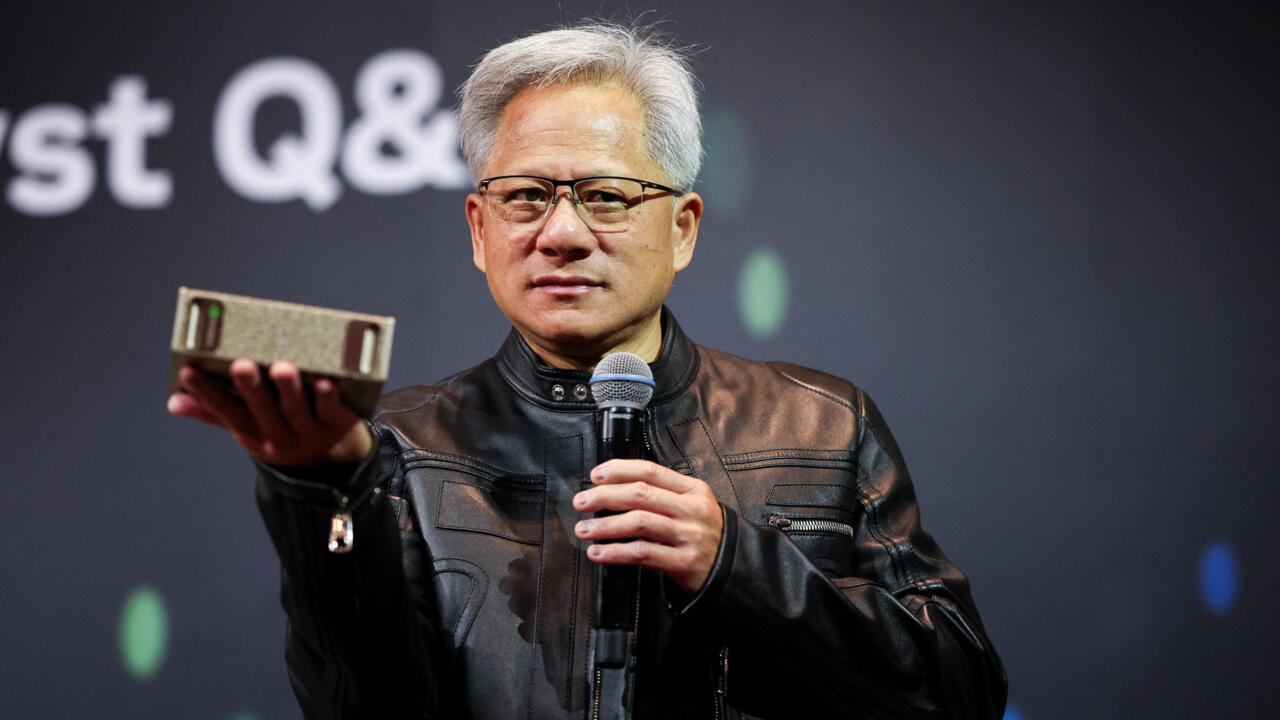
Nvidia CEO Jensen Huang, speaking in a video aired by Chinese state broadcaster CCTV, confirmed that license applications had been approved. “I’m looking forward to shipping H20s very soon, and so I’m very happy with that very, very good news,” Huang said, wearing his signature black leather jacket and speaking to a group of reporters.
Huang is scheduled to attend a major supply chain summit on Wednesday, which will mark his third visit to China this year, according to CCTV. During a previous trip in April, he met with Chinese Vice Premier He Lifeng and expressed optimism about the Chinese market. According to state-run news agency Xinhua, Huang emphasized his willingness to continue investing in China and contribute positively to US-China trade relations.
Zhang Guobin, founder of eetrend.com, a prominent Chinese tech platform, told AFP that the resumption of H20 sales could offer Nvidia a “substantial revenue boost,” potentially offsetting financial losses incurred due to the earlier export ban. Zhang noted that this development could also help ease tensions in the global semiconductor supply chain.
However, he cautioned that uncertainty remains. “The Trump administration has been… prone to abrupt policy shifts, making it difficult to gauge how long such an opening might endure,” Zhang remarked, highlighting the volatility of US trade policy.
Despite renewed access to Nvidia’s chips, Zhang and other observers believe that Chinese firms will continue their pursuit of self-sufficiency in chip manufacturing. Companies like Huawei, which has gained traction as a domestic rival, are seen as instrumental to Beijing’s goal of technological independence amid an unpredictable global trade landscape.
China remains one of Nvidia’s most important markets, but US export restrictions in recent years have intensified the competition from domestic chipmakers. At the same time, China’s economic headwinds—including a sluggish property sector and weak consumer confidence—have prompted President Xi Jinping to call for increased economic self-reliance.
The resumption of H20 chip sales coincides with a moment of moderate optimism in China’s economy. Official data released Tuesday showed a 5.2% growth rate in the second quarter of 2025, fueled in part by resilient exports, despite the ongoing pressures of a global trade war.
In May, the *Financial Times* reported that Nvidia was planning to establish a research and development hub in Shanghai, though the company and local authorities have not confirmed the project.
As diplomatic and commercial dynamics between Washington and Beijing continue to evolve, Nvidia’s renewed ability to sell in China may signal a cautious easing of tech export tensions, at least for now.
What you should know
Nvidia will resume selling its H20 AI chips to China after the US signaled it would approve the necessary export licenses.
The decision reverses an earlier halt triggered by tighter US controls and allows Nvidia to re-enter a major market where it faces increasing competition from Chinese chipmakers.