As Nigeria approaches the 2027 presidential election cycle, one of the country’s most outspoken comedians has issued a scathing indictment of what he describes as the theatrical nature of Nigerian politics, calling out politicians for employing the same manipulative campaign strategies that have characterized the nation’s electoral landscape for decades.
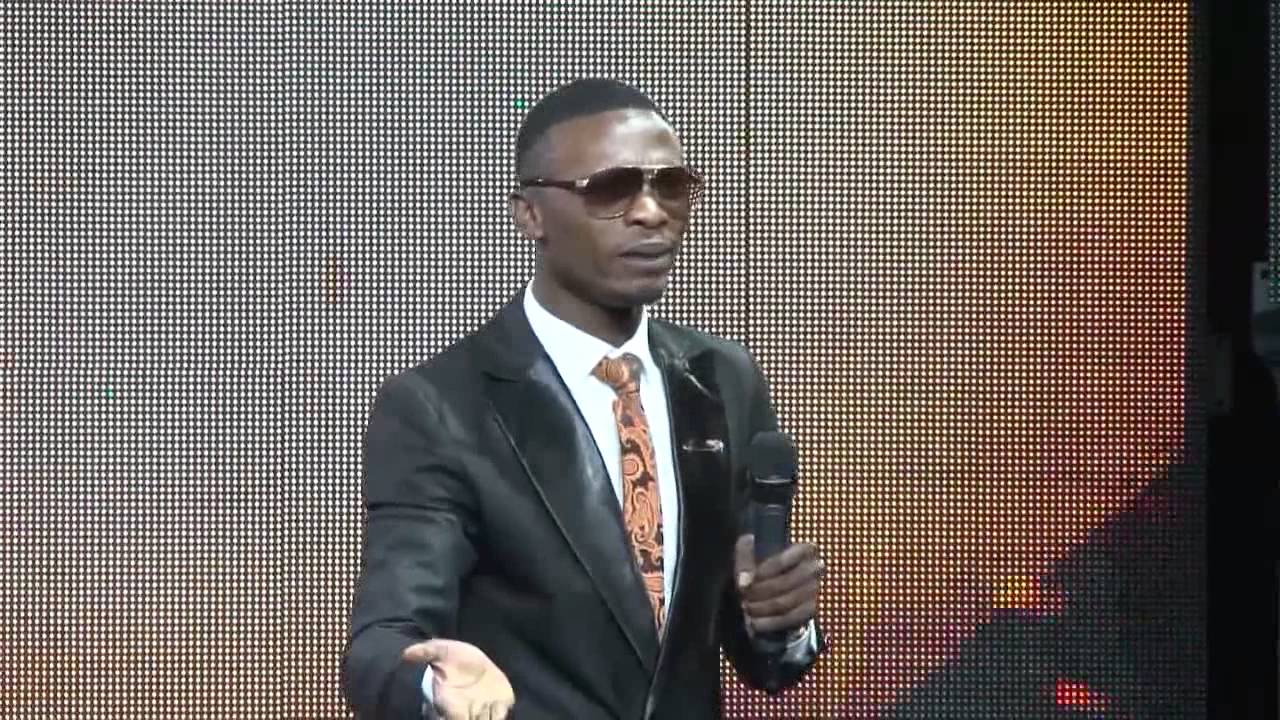
Francis Agoda, popularly known by his stage name I Go Die, took to Instagram to express his frustration with what he sees as the predictable pattern of political behavior that emerges during election seasons. The comedian’s pointed critique comes at a time when political activities are beginning to intensify ahead of the next presidential contest.
In his social media post, I Go Die painted a vivid picture of the familiar campaign ritual that Nigerian voters have witnessed repeatedly since independence. He described how politicians suddenly adopt personas of humility and solidarity with ordinary citizens, engaging in what he characterized as performative acts designed to create false connections with the electorate.
“2027 dey near… Politicians don dey collect their white native from tailor hand,” the comedian wrote, referencing the traditional white garments often worn by politicians during campaigns to project an image of purity and simplicity. He went on to describe the predictable sequence of events: politicians appearing at roadside food vendors, helping to roast plantains with market women, and eating at local food stalls to demonstrate their connection to the common people.
The entertainment figure’s critique extends beyond mere campaign theatrics to address what he sees as a fundamental lack of evolution in Nigerian political strategy. Drawing historical parallels, I Go Die referenced Chief Obafemi Awolowo, one of Nigeria’s most respected political figures from the independence era, suggesting that contemporary politicians are still employing the same playbook from the 1960s without adaptation or innovation.
“Same old script since 1960. No innovation, no sincerity,” he declared, highlighting what he perceives as a stagnation in political methodology that has contributed to Nigeria’s ongoing challenges. The comedian’s reference to Awolowo is particularly significant, as the late politician is remembered for his progressive policies and intellectual approach to governance, qualities that I Go Die suggests are lacking in today’s political landscape.
The timing of this critique is notable, coming as Nigeria continues to grapple with economic challenges, security concerns, and questions about political leadership effectiveness. I Go Die’s comments reflect a broader sentiment among many Nigerians who have grown skeptical of campaign promises and political rhetoric that often fails to translate into meaningful governance.
The comedian’s call for “thinkers” rather than “actors” and “visionary leaders” rather than “recycled lies” encapsulates a desire for substantive political discourse that goes beyond the superficial elements of campaigning. His frustration with what he describes as Nigerian voters’ “repeated gullibility” suggests a concern about the electorate’s continued susceptibility to these familiar campaign tactics.
I Go Die’s commentary also touches on the cyclical nature of political engagement in Nigeria, where politicians become highly visible during election periods but allegedly become inaccessible to constituents once in office. This pattern of appearing and disappearing “like a spirit” until the next election cycle represents a fundamental disconnect between political leaders and the people they serve.
The comedian’s intervention in political discourse reflects a growing trend of entertainment figures using their platforms to engage with social and political issues. As someone with a significant social media following and public influence, I Go Die’s critique carries weight beyond mere entertainment, potentially influencing public opinion and discourse as the 2027 election approaches.
His call for “zero creativity, zero change” to be replaced with genuine innovation and sincerity represents a challenge to both politicians and voters as Nigeria prepares for another electoral cycle. Whether this call for political evolution will resonate with the broader electorate remains to be seen, but it certainly adds another voice to the growing chorus of Nigerians demanding more substantive political engagement.
As the 2027 presidential election draws closer, I Go Die’s warnings about political theater and his call for authentic leadership will likely continue to resonate among Nigerians seeking meaningful change rather than recycled promises.
WHAT YOU SHOULD KNOW
Nigerian comedian I Go Die has issued a timely warning ahead of the 2027 elections: politicians are already preparing their familiar campaign playbook of fake humility and theatrical gestures to win votes.
His core message is clear: Nigerian voters should not fall for the same recycled tactics that have been used since 1960, where politicians pretend to be humble during campaigns but disappear once elected.
The comedian’s call for “thinkers, not actors” and “visionary leaders, not recycled lies” highlights a critical need for Nigerians to demand genuine political innovation rather than accepting the same empty promises and superficial campaign strategies that have failed to deliver meaningful progress for decades.