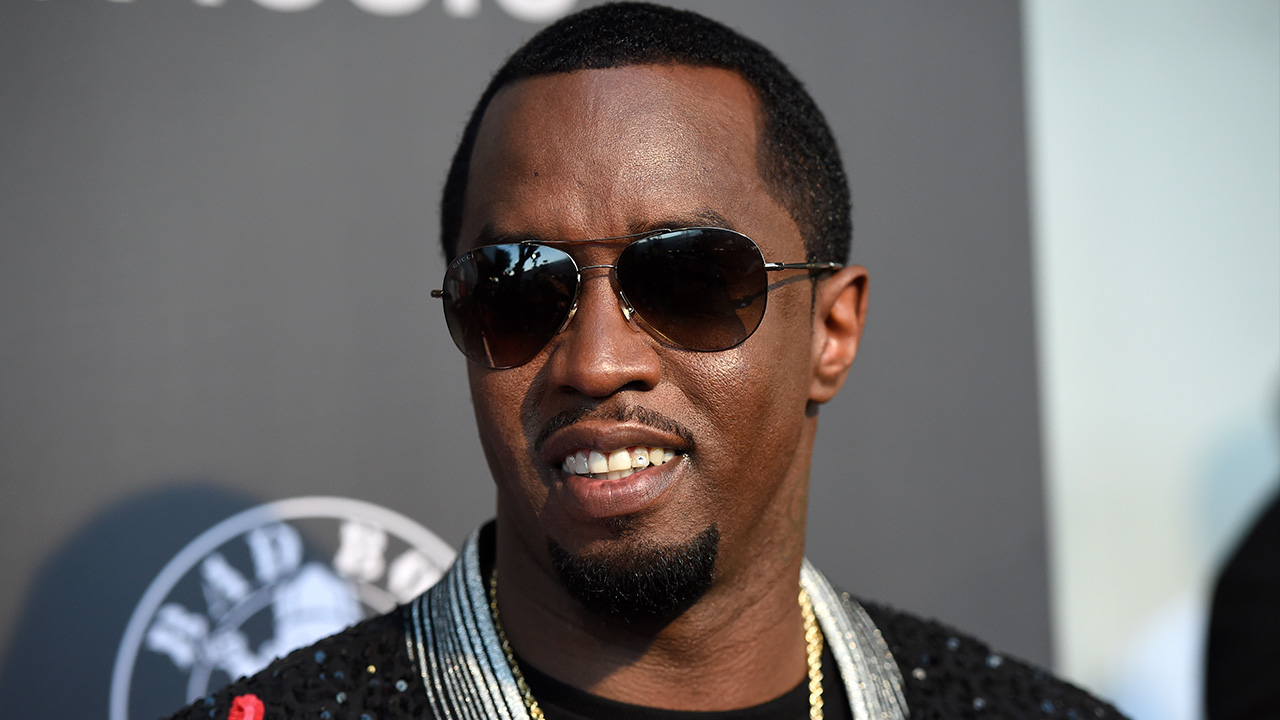
The seven-week federal trial of Sean “Diddy” Combs took a dramatic turn Tuesday when the jury announced it had reached verdicts on four of the five charges against the music mogul but remained deadlocked on the most serious count: racketeering conspiracy.
The partial decision remained under wraps after jurors were told to keep deliberating because they were stuck on the top charge. Judge Arun Subramanian, following deliberations with both prosecution and defense teams, determined that after just two days of jury deliberation, it was premature to accept a hung jury on the racketeering count that could send Combs to prison for life.
The jury’s cryptic note to the court revealed the extent of their division. “We have reached a verdict on counts 2, 3, 4, and 5. We are unable to reach a verdict on count 1 as we have jurors with “unpersuadable views,” the panel of eight men and four women wrote, highlighting the intractable disagreement over whether Combs orchestrated a criminal enterprise spanning two decades.
The racketeering charge forms the cornerstone of the government’s case against the 55-year-old Bad Boy Records founder. Prosecutors allege Combs operated a vast criminal organization through his business empire, using employees to facilitate what they characterized as coercive sexual encounters, witness intimidation, and violence.
The charge requires unanimous agreement that Combs conspired with others to commit at least two of eight predicate crimes, including forced labor, drug distribution, kidnapping, bribery, and arson.
What makes this deadlock particularly significant is the prosecution’s ambitious attempt to paint Combs as the architect of systematic abuse rather than merely a violent partner in toxic relationships. The government invested seven weeks presenting evidence of what prosecutor Maurene Comey called “20 years of alleged crimes,” centering their case on testimony from two key accusers: Combs’ former longtime partner, Cassie Ventura, and a woman identified only as “Jane.”
Both women provided what court observers described as “wrenching detail” about alleged abuse, threats, and coercive sexual encounters. Ventura’s 2023 civil lawsuit, which was settled for $20 million, triggered the avalanche of allegations that ultimately led to federal charges. Her testimony, along with Jane’s six-day appearance on the witness stand, formed the emotional core of the prosecution’s narrative.
Yet the defense, led by attorney Marc Agnifilo, mounted an aggressive counter-strategy that appears to have resonated with at least some jurors. Agnifilo acknowledged Combs had “at times beat his partners” but insisted this domestic violence fell short of the federal crimes charged. He characterized his client as “a self-made, successful Black entrepreneur” whose relationships were “complicated” but ultimately consensual.
The defense team’s approach was particularly pointed in their treatment of the accusers’ testimony. They “dissected” and “at times even mocked” the accounts of both Ventura and Jane, arguing the women were “adults making free choices.” This strategy appears to have created reasonable doubt for some jurors on the central question of whether consensual but volatile relationships crossed the line into federal racketeering territory.
Notably absent from the government’s case were the very individuals prosecutors claimed were part of Combs’ alleged criminal enterprise. Defense attorney Agnifilo emphasized that none of those senior employees testified against Combs, nor were they named as co-conspirators. Many witnesses were granted immunity to avoid self-incrimination, potentially weakening their credibility with jurors.
The prosecution’s closing argument revealed the stakes they perceived in this case. Prosecutor Comey told jurors that Combs “was so far past the line he couldn’t even see it” and had become convinced “he was untouchable.” Her final plea was pointed: “The defendant never thought that the women he abused would have the courage to speak out loud what he had done to them. That ends in this courtroom. The defendant is not a god.”
This language suggests prosecutors viewed the case as transcending typical criminal proceedings, positioning it as a reckoning with celebrity impunity and systematic abuse of power in the entertainment industry. The jury’s inability to reach consensus on the racketeering charge indicates this broader narrative may not have fully convinced all 12 members of the panel.
The four lesser charges on which the jury has reached agreement include two counts of sex trafficking related to Ventura and Jane and two counts of transportation for purposes of prostitution. While these charges carry substantial prison terms, they lack the sweeping implications of the racketeering count that would validate the government’s theory of Combs as the leader of a criminal organization.
The timing of this development is particularly striking. The trial began after months of pretrial detention for Combs, who has been held in a Brooklyn federal facility since his September arrest. Multiple bail applications have been denied, with judges citing concerns about witness tampering and public safety.
As deliberations resume Wednesday, the fundamental question remains whether prosecutors can convince the holdout jurors that Combs’ alleged conduct rose to the level of federal racketeering conspiracy. The jury’s note suggests deeply entrenched positions that may prove impossible to reconcile, raising the possibility of a mistrial on the most serious charge even as Combs faces potential conviction on the remaining counts.
For the music industry and the broader #MeToo movement, this case represents a critical test of whether traditional celebrity defenses can withstand the sustained scrutiny of federal prosecution. The partial verdict suggests that while jurors may be willing to hold powerful figures accountable for specific acts of alleged abuse, proving the existence of a sophisticated criminal enterprise remains a more complex proposition.
The outcome will likely reverberate far beyond this Manhattan courtroom, influencing how prosecutors approach similar cases involving powerful entertainment figures and potentially reshaping the legal landscape for addressing systematic abuse in industries built on personal relationships and power imbalances.
WHAT YOU SHOULD KNOW
The Sean “Diddy” Combs trial reached a critical impasse Tuesday when jurors announced verdicts on four charges but deadlocked on the most serious: racketeering conspiracy carrying a life sentence.
While jurors appear ready to decide on specific sex trafficking charges, they’re divided on whether Combs operated a criminal organization versus engaging in abusive personal relationships. The defense successfully created doubt by characterizing his conduct as “complicated but consensual” relationships rather than a systematic criminal enterprise.