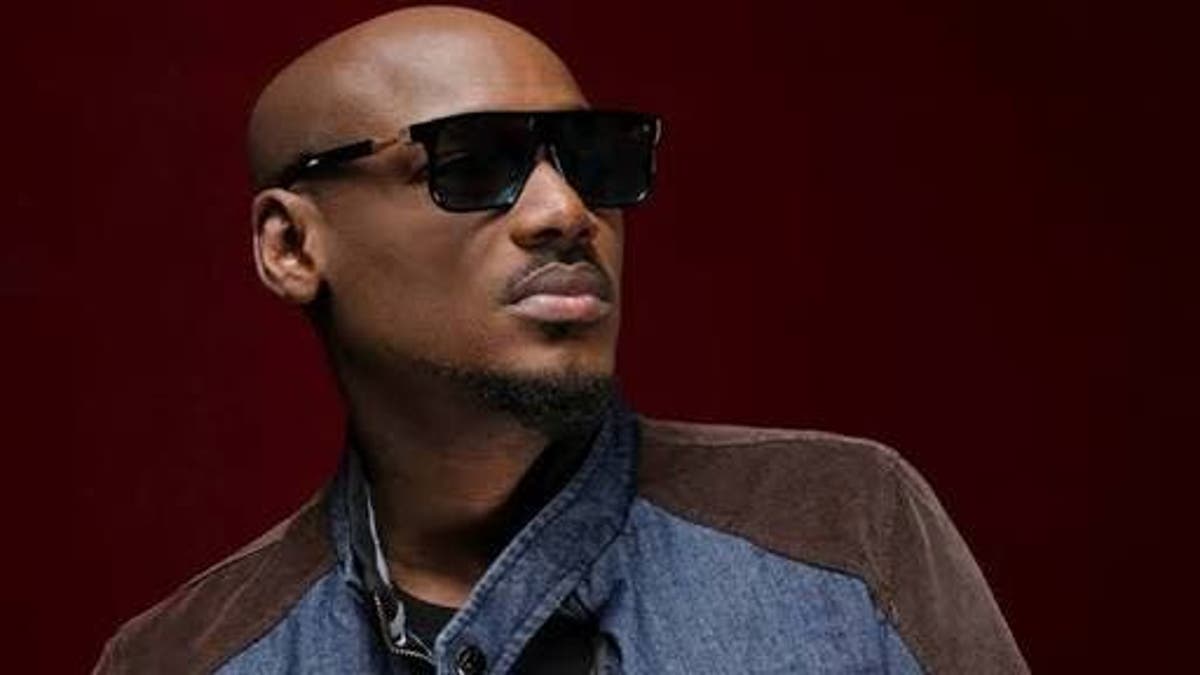
Twenty years after “African Queen” became the anthem that introduced Afrobeats to the world stage, its creator, Innocent Ujah Idibia, professionally known as 2Face, has broken his silence on one of Nigerian music’s most enduring controversies.
In a candid interview on the 234 Mzansi Podcast, co-hosted by popular actor Chinedu Ani Emmanuel (Nedu), the legendary singer directly confronted longtime allegations from his former Plantashun Boiz bandmate, Ahmedu Augustine Obiabo, known as Blackface, who has repeatedly claimed that 2Face stole the 2004 hit single.
“It’s a collab. I wrote most of the song, actually, but we wrote the song together, basically,” 2Face stated during the podcast, his first detailed public response to accusations that have shadowed his career for two decades. The 48-year-old artist expressed bewilderment at his former collaborator’s persistent claims, adding with a tone of weary resignation, “He [Blackface] will come to his senses one day.”
The dispute over “African Queen” represents more than just a battle over songwriting credits—it’s a disagreement about the ownership of what many consider the song that changed the trajectory of African popular music. Released at a time when Nigerian artists struggled for international recognition, the track became a cultural phenomenon that transcended continental boundaries.
The song’s impact was immediate and unprecedented. It catapulted 2Face from local celebrity to global superstar, making him the first African artist to achieve a remarkable trifecta of international recognition: winning both the MTV Europe Music Award and MOBO Awards while also becoming the first African joint winner of the BET Awards. The track earned the historic distinction of being the inaugural song played on MTV Africa when the channel launched, cementing its place in African music history.
Hollywood also took notice. The song’s crossover appeal was validated when it was selected as part of the soundtrack for “Phat Girlz,” a 2006 American romantic comedy, marking one of the early instances of Afrobeats penetrating mainstream American entertainment.
For Blackface, however, the song’s success has been a source of persistent frustration rather than celebration. Over the years, he has maintained that his creative contributions were not properly acknowledged, leading to public disputes that have played out in interviews, social media, and even in his own music, where he has referenced the controversy.
The timing of 2Face’s latest comments is significant, coming as Afrobeats enjoys unprecedented global success with artists like Burna Boy, Wizkid, and Davido dominating international charts. As the genre’s elder statesman, 2Face’s role in laying the foundation for this current golden age cannot be overstated, making this long-standing dispute all the more important for the historical record.
Industry observers have long hoped that the two former friends and collaborators would find a way to reconcile their differences. Both artists emerged from the disbanded trio Plantashun Boiz, which also included Chibuzor Oji (Faze), and their creative partnership during those formative years produced some of the early 2000s’ most memorable Nigerian hits.
As 2Face continues to maintain his position that “African Queen” was a collaborative effort with him as the primary songwriter, the controversy serves as a reminder of the complex dynamics that can emerge when creative partnerships dissolve and global success follows. Whether this latest public statement will finally put the matter to rest or simply add another chapter to this lengthy dispute remains to be seen.
For now, “African Queen” stands as an undisputed masterpiece that opened doors for an entire generation of African artists, regardless of who holds the pen that wrote it.
WHAT YOU SHOULD KNOW
After 20 years of controversy, 2Face Idibia has finally addressed claims that he stole “African Queen” from former bandmate Blackface, insisting it was a collaboration where he wrote most of the song.
This matters because “African Queen” was the breakthrough hit that introduced Afrobeats to the world in 2004, making 2Face the first African artist to win major international awards and paving the way for today’s global Afrobeats superstars like Burna Boy and Wizkid. While the authorship dispute may never be fully resolved, the song’s historic impact on African music’s international recognition remains undeniable.