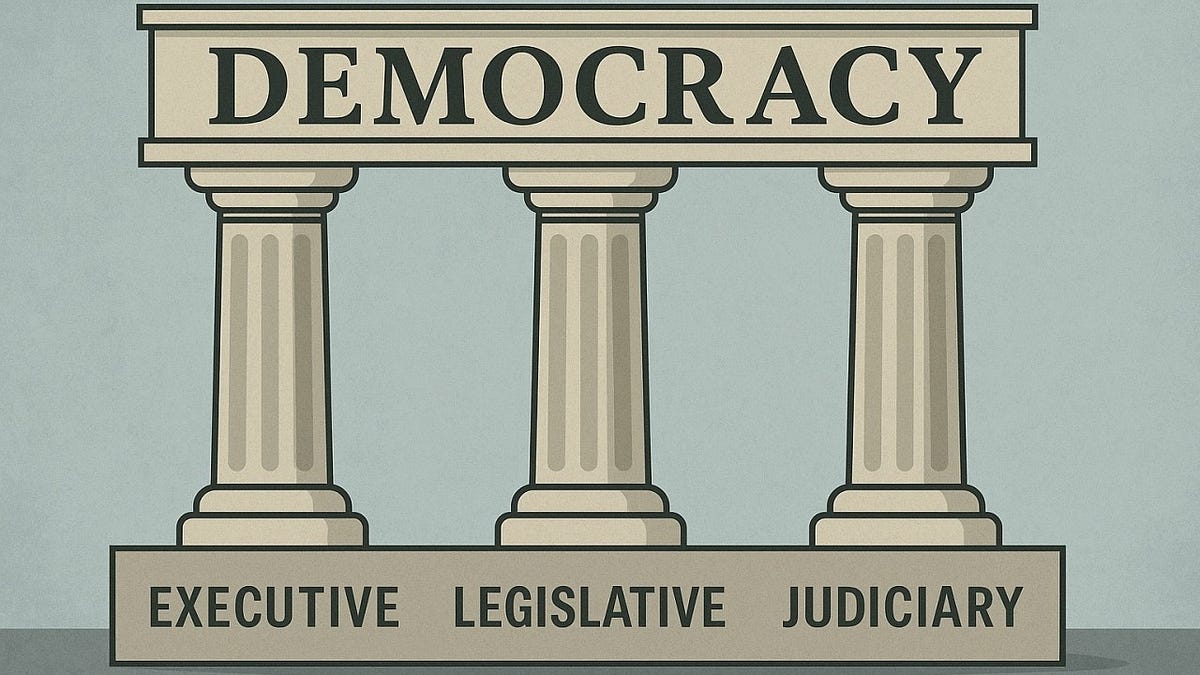
Picture this: three dancers on a stage, each with their rhythm, yet moving in perfect harmony to create something beautiful. This is democracy at its finest—a delicate choreography where three branches of government work together while keeping each other in check. It’s messy, sometimes chaotic, but ultimately essential for protecting our freedoms.
When we talk about democracy, we often focus on voting and elections. But the real magic happens after the votes are counted, in the daily push and pull between the Executive, Legislature, and Judiciary. This isn’t just political theory gathering dust in textbooks—it’s the living, breathing system that determines whether our leaders can abuse their power or whether justice prevails when the powerful overstep their bounds.
The Foundation: Why Separation Matters
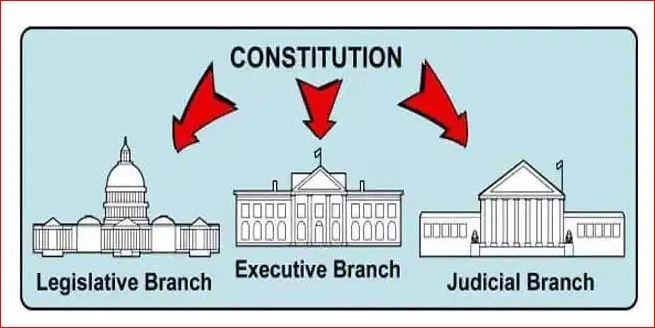
The concept of separating governmental powers didn’t emerge from thin air. It grew from centuries of witnessing what happens when too much power concentrates in too few hands. Think about the absolute monarchies of Europe, where kings held the power to make laws, enforce them, and judge disputes—often with disastrous results for ordinary citizens.
The 18th-century philosopher Montesquieu crystallized these concerns when he wrote about the need to divide power to prevent tyranny. His ideas profoundly influenced the founders of modern democracies, who understood that human nature includes a tendency to abuse power when left unchecked. As James Madison famously noted, “If men were angels, no government would be necessary.”
This wisdom has proven remarkably prescient. Today, we can look at countries where power remains concentrated and see the consequences: arbitrary arrests, laws that benefit only the ruling class, and courts that serve political masters rather than justice.
The Executive: The Action Arm of Government
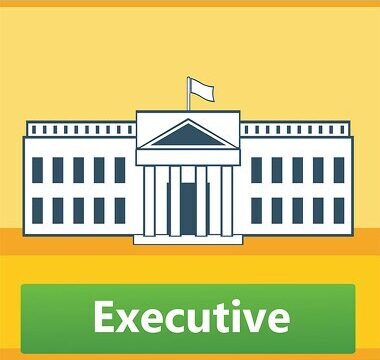
The Executive branch embodies the government’s capacity to act decisively. Whether it’s responding to natural disasters, conducting foreign policy, or ensuring laws are enforced consistently across the nation, the Executive provides the energy and direction that democracies need to function effectively.
In presidential systems like the United States, the President serves as both head of state and government, wielding considerable authority over foreign policy and domestic administration. Parliamentary systems, such as those in the United Kingdom or Canada, divide these roles between a ceremonial head of state and a Prime Minister who leads the government.
The Executive’s Unique Strengths:
The Executive shines in situations requiring swift action. When Hurricane Katrina devastated New Orleans in 2005, it was the Executive branch, through FEMA and other agencies, that coordinated the massive relief effort. Similarly, during the COVID-19 pandemic, executive authorities worldwide made rapid decisions about lockdowns, vaccine distribution, and economic support measures.
The Executive also provides a unifying voice for the nation. Presidents and Prime Ministers become symbols of national identity, representing their countries on the world stage. This symbolic role shouldn’t be underestimated—in times of crisis, people look to executive leaders for reassurance and direction.
The Dark Side of Executive Power:
History is littered with examples of executives who overstepped their bounds. Richard Nixon’s Watergate scandal demonstrated how presidential power could be used to spy on political opponents and obstruct justice. More recently, concerns about executive overreach have emerged in various democracies, from the use of emergency powers during the pandemic to the expansion of surveillance capabilities in the name of national security.
The Executive controls vast resources—military forces, intelligence agencies, and administrative bureaucracies. Without proper checks, these tools can become instruments of oppression rather than public service.
The Legislature: Democracy’s Town Square
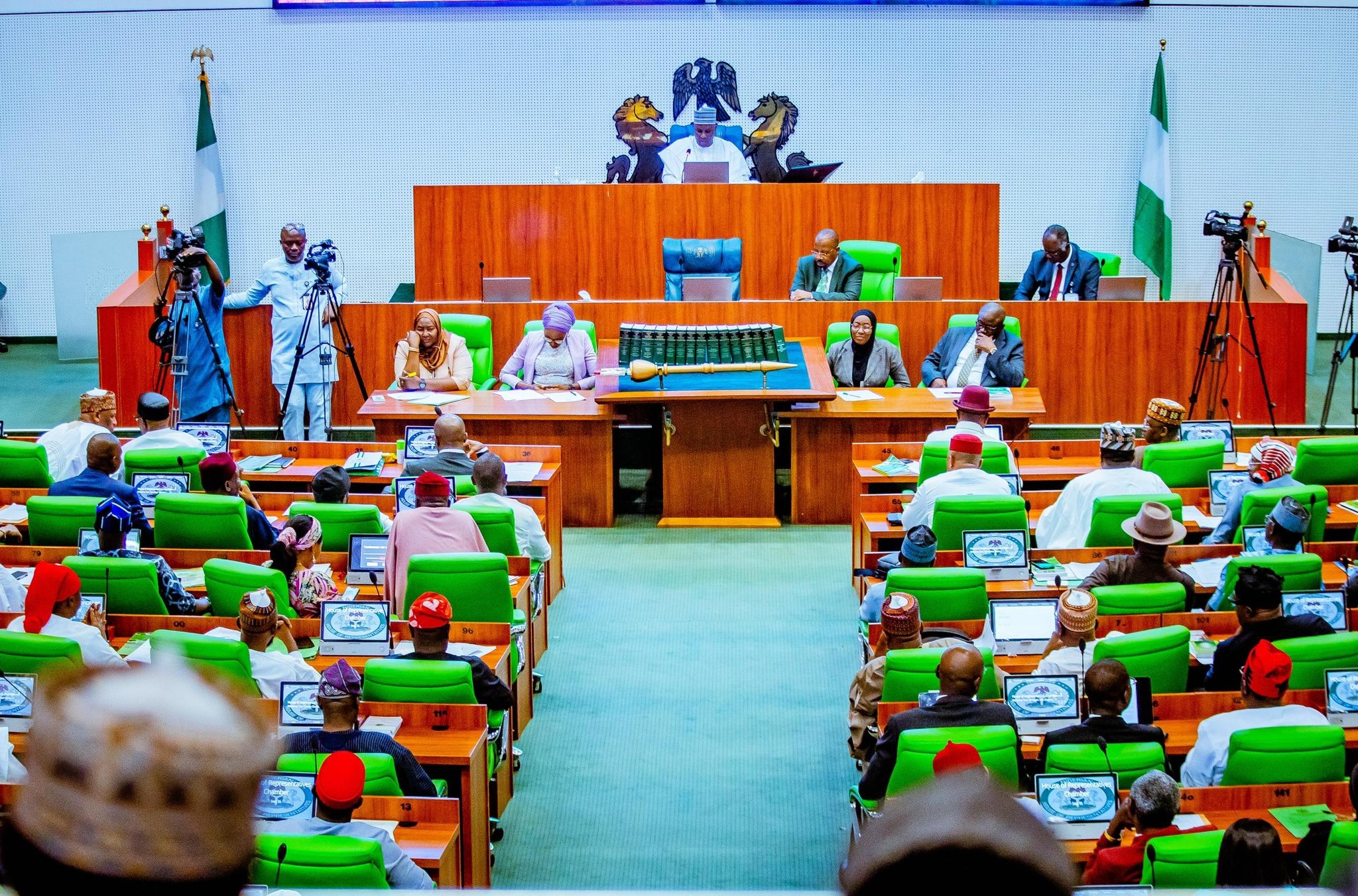
If the Executive is democracy’s muscle, the Legislature is its conscience and voice. Here, elected representatives from diverse backgrounds and constituencies come together to debate, argue, and ultimately decide what laws should govern society.
The Legislature’s greatest strength lies in its representational nature. In a well-functioning system, it brings together voices from different regions, economic backgrounds, and political perspectives. When the U.S. Congress debates healthcare reform or the Indian Parliament discusses agricultural policy, they’re not just making laws—they’re engaging in a national conversation about values and priorities.
Legislative Strengths in Action:
The power of legislative oversight cannot be overstated. Congressional hearings have exposed corporate corruption, questioned military strategy, and held executives accountable for their decisions. The Watergate hearings, the Iran-Contra investigations, and more recent inquiries into technology companies’ privacy practices all demonstrate how legislative oversight protects democratic accountability.
Legislatures also control the purse strings, and this financial authority provides enormous leverage over executive actions. No matter how ambitious a president’s agenda, it cannot proceed without legislative approval of funding.
When Legislatures Struggle:
Legislative gridlock represents one of democracy’s most frustrating features. When partisan divisions prevent action on pressing issues—from infrastructure investment to climate change—citizens lose faith in democratic governance. The U.S. has experienced this repeatedly, with government shutdowns becoming almost routine as political parties use budget negotiations as weapons in larger political battles.
Legislatures can also be captured by special interests. When wealthy lobbies have disproportionate influence over law-making, the result is legislation that serves narrow interests rather than the public good. This challenge has become particularly acute as campaign finance has grown more complex and expensive.
The Judiciary: Guardian of Rights and Rules
The Judiciary serves as democracy’s memory and conscience, ensuring that today’s political majorities cannot trample on fundamental rights or constitutional principles. Courts interpret laws, resolve disputes, and—perhaps most importantly—serve as the final arbiter when the other branches overstep their authority.
Unlike the Executive and Legislature, which derive their legitimacy from elections, the Judiciary’s authority comes from its commitment to impartial application of law. This independence is both its greatest strength and the source of ongoing tension in democratic systems.
Judicial Power in Practice:
Some of the most transformative moments in democratic history have come through judicial decisions. The U.S. Supreme Court‘s ruling in Brown v. Board of Education helped dismantle racial segregation. India’s Supreme Court has used Public Interest Litigation to address environmental degradation and government corruption. South Africa’s Constitutional Court played a crucial role in the post-apartheid transition.
These examples show how courts can protect minority rights and enforce constitutional principles even when they’re unpopular with political majorities.
The Limits of Judicial Power:
Courts face a fundamental tension: they must remain independent from political pressure while operating within a democratic system where ultimate authority rests with the people. When judges are perceived as overstepping their role and making policy rather than interpreting law, it can provoke backlash and undermine their legitimacy.
The appointment process for judges has become increasingly politicized in many countries, raising questions about whether true judicial independence is possible. When political parties view court appointments as opportunities to advance their agendas, it threatens the entire system’s credibility.
The Dynamic Balance: How It All Works Together
The beauty of the separation of powers lies not in the isolation of these branches but in their constant interaction. It’s a system designed to be inefficient in the short term to prevent dangerous concentrations of power in the long term.
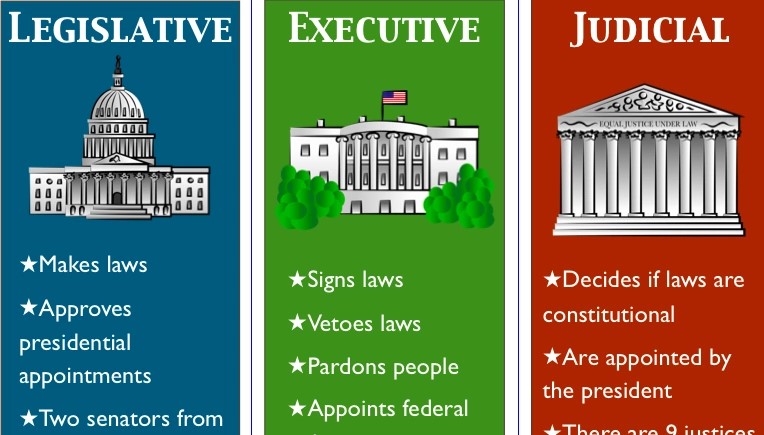
Consider how this plays out in practice: the Executive proposes a budget reflecting its priorities, the Legislature modifies it based on constituent concerns and political negotiations, and the Judiciary ensures that spending doesn’t violate constitutional principles. Each step involves compromise and accountability.
This process frustrates those who want quick action, but it also prevents the kind of rapid, unchecked power grabs that have destroyed democracies throughout history. The system’s “inefficiency” is a feature, not a bug.
Global Perspectives: Lessons from Different Systems
Different countries have found various ways to balance these powers, each reflecting their unique history and political culture.
France’s semi-presidential system creates an interesting dynamic between a directly elected President and a Prime Minister responsible to Parliament. This can lead to “cohabitation” periods where the President and Prime Minister come from different political parties, forcing them to share power and negotiate.
Germany’s federal system distributes power not just among branches but also between federal and state governments, creating additional checks and balances. The country’s experience with both authoritarianism and democracy has shaped a system particularly sensitive to preventing power concentration.
Brazil’s experience demonstrates both the promise and perils of the separation of powers. The country’s strong judiciary has played a crucial role in fighting corruption through operations like “Car Wash,” but this has also led to tensions with other branches and questions about judicial overreach.
Challenges in the Digital Age
Modern democracies face new challenges that test traditional separation of powers concepts. Social media has changed how information flows and how citizens engage with politics. Executive branches now communicate directly with citizens through Twitter and Facebook, potentially bypassing traditional legislative and media oversight.
Surveillance technologies give executives unprecedented power to monitor citizens, while the global nature of internet companies creates jurisdictional challenges for all three branches. These developments require constant vigilance and adaptation of traditional checks and balances.
Protecting the Balance: A Citizen’s Responsibility
Ultimately, the separation of powers is only as strong as citizens’ commitment to maintaining it. This means staying informed about what each branch is doing, holding representatives accountable through elections and public pressure, and understanding that democracy requires active participation.
When citizens become apathetic or when they’re willing to ignore constitutional violations by leaders they support, the entire system becomes vulnerable. The balance of power isn’t maintained by institutional structures alone—it requires a political culture that values democratic norms and accountability.
Conclusion: The Ongoing Dance
The separation of powers remains one of humanity’s greatest political innovations, but it’s not self-sustaining. Like a three-legged stool, remove one leg or allow one to become too dominant, and the whole structure collapses.
Today’s democracies face pressures that the founders of these systems couldn’t have imagined—from global economic forces to digital disruption to climate change. These challenges require governmental responses that are both effective and accountable, strong enough to address complex problems but restrained enough to preserve freedom.
The dance between Executive, Legislature, and Judiciary will continue to evolve, but the fundamental principle remains constant: power must be divided to prevent its abuse. In a world where authoritarianism is resurging and democratic norms are under pressure, understanding and protecting this balance has never been more crucial.
The next time you see political gridlock or institutional conflict, remember: this isn’t evidence of a broken system—it’s democracy working as intended, messy and frustrating as that may be. The alternative—unchecked power in the hands of the few—is far worse than the inefficiencies of shared governance.
After all, the price of freedom isn’t just eternal vigilance—it’s eternal negotiation, compromise, and the patient work of making democracy function, one day at a time.