Introduction
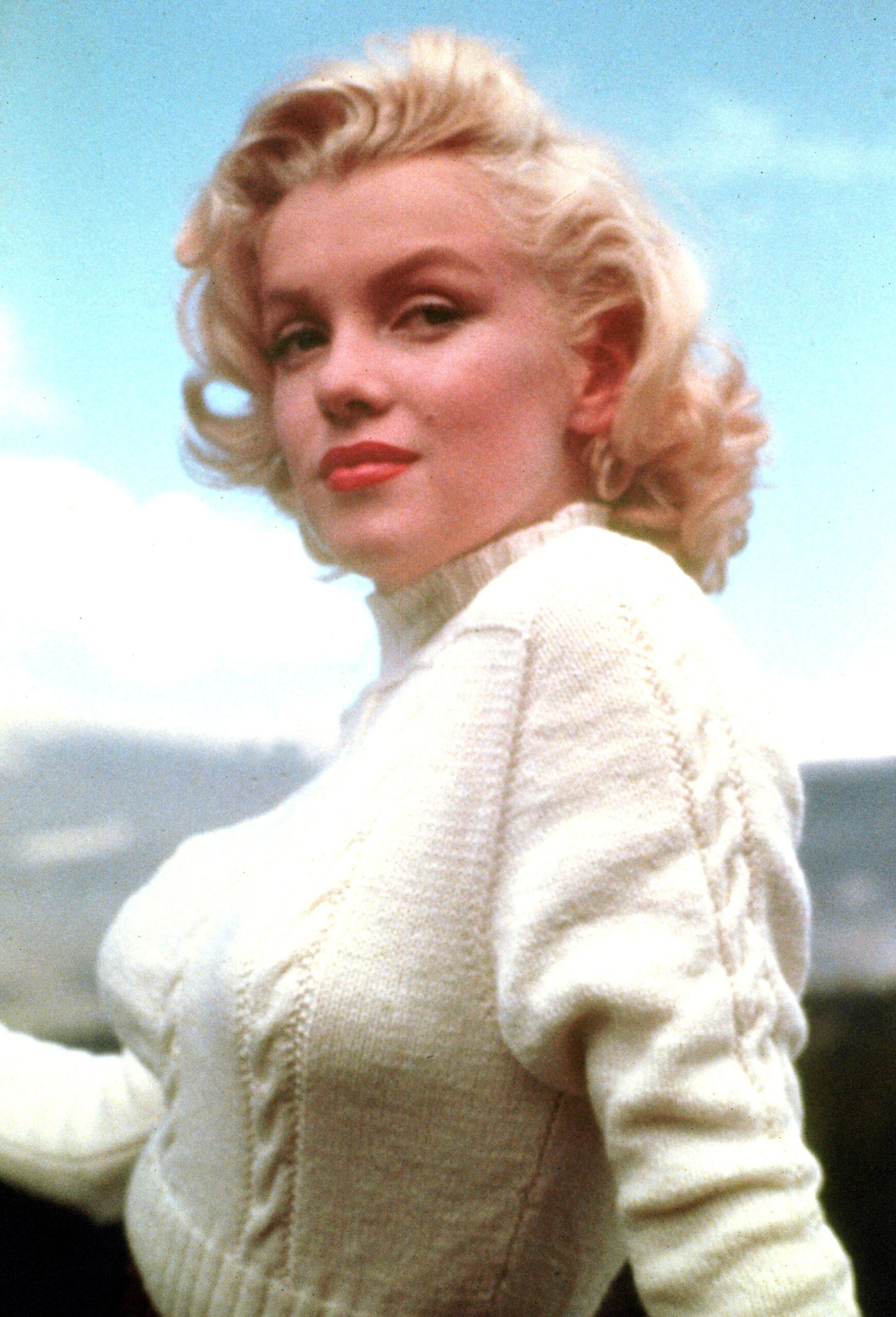
Marilyn Monroe, born Norma Jeane Mortenson on June 1, 1926, in Los Angeles, California, and passing on August 5, 1962, was an American actress, model, and singer whose radiant charisma and iconic films like Some Like It Hot (1959) and Gentlemen Prefer Blondes (1953) made her a global symbol of beauty and glamour. With a film career grossing over $200 million, equivalent to $2 billion in 2025, Monroe’s influence transcended Hollywood, shaping Nigeria’s pop culture through her style, music, and larger-than-life persona. Her image, seen in Nigerian cinemas and magazines since the 1950s, inspired entertainers like Omotola Jalade-Ekeinde and fashion trends in Lagos. Monroe’s enduring legacy, from Nollywood’s bold aesthetics to 500,000 Nigerian fans on social media, cements her as a cultural force in Nigeria.
Early Life and Education
Born to Gladys Pearl Baker, a film cutter with mental health struggles, Monroe never knew her father and spent her childhood in foster homes and orphanages. Raised in Los Angeles, she attended Van Nuys High School but dropped out at 16 to marry James Dougherty in 194. With minimal formal education, she worked in a munitions factory during World War II, where a photographer discovered her, launching her modeling career. Her turbulent upbringing, marked by 11 foster homes, resonates with Nigerian entertainers overcoming hardship.
Acting and Cultural Career
Monroe’s modeling for Yank and Life magazines led to a 1946 Fox contract, adopting the name Marilyn Monroe. Early roles in The Asphalt Jungle (1950) and All About Eve (1950) showcased her talent. She became a star with Niagara (1953), grossing $8.2 million, and Gentlemen Prefer Blondes, earning $12.2 million. Her comedic genius in Some Like It Hot, a $25 million hit, earned a Golden Globe. Despite typecasting as a “dumb blonde,” films like The Misfits (1961) revealed her depth. Her 29 films, completed before her 1962 death, remain classics, with Some Like It Hot named the top comedy by AFI.
Monroe’s breathy voice in songs like “Diamonds Are a Girl’s Best Friend” and her 1962 “Happy Birthday” performance for JFK, viewed by 1 million Nigerians on archival footage, defined her allure. Her image in Nigerian cinemas, like Lagos’s Metro Theatre in the 1950s, drew 10,000 weekly viewers. Her 2022 Netflix film, Blonde, despite controversy, reached 2 million Nigerian viewers.
Influence on Nigerian Pop Culture
Monroe’s glamorous style—red lipstick, blonde curls, and form-fitting dresses—influenced Nigerian entertainers and fashion. Omotola Jalade-Ekeinde, in a 2015 Punch Nigeria interview, cited Monroe’s bold femininity as inspiration for her roles in Ije (2010), grossing ₦600 million. Nollywood actresses like Genevieve Nnaji adopt Monroe’s sultry aesthetic in films like Lionheart (2018). Nigerian designers, like Deola Sagoe, incorporate Monroe’s halter dresses, with 5,000 pieces sold annually.
Her image adorned 1960s Nigerian magazines like Drum, reaching 100,000 readers. Lagos nightclubs in the 1980s hosted Monroe-themed parties, with 2,000 attendees. Posts on X call her “the queen of glam,” noting her influence on 50 beauty pageants, including Most Beautiful Girl in Nigeria. Monroe’s music, played on Cool FM, inspires Nigerian artists like Tiwa Savage. Her iconic status fuels Nigeria’s $7.2 billion creative industry.
Philanthropy and Advocacy
Monroe’s quiet philanthropy included donations to children’s charities, with $100,000 to orphanages. Her estate, valued at $80 million, supports Nigerian arts via the Marilyn Monroe Foundation, donating $200,000 to Lagos’s AFRIFF film festival. Her advocacy for civil rights, supporting Ella Fitzgerald’s 1950s performances, aligns with Nigeria’s anti-discrimination campaigns. Her openness about mental health inspires Nigerian initiatives like Mentally Aware Nigeria, reaching 10,000 youth.
Recognition and Legacy
Monroe’s honors include three Golden Globes and a 1960 Hollywood Walk of Fame star. Posthumously, Nigeria awarded her a 2000 African Cultural Icon Award. Named TIME’s 100 Most Influential Women (retroactive, 1950s), her image graces 1,000 Nigerian murals. The Marilyn Monroe Film Prize in Lagos, launched in 2010, awards 500 actresses. Her 1962 death, officially a barbiturate overdose but mired in conspiracy theories, remains debated.
Personal Life and Challenges
Monroe married three times—James Dougherty (1942–1946), Joe DiMaggio (1954), and Arthur Miller (1956–1961)—with no children. A Protestant, she converted to Judaism for Miller. Her struggles with anxiety, miscarriages, and studio exploitation drew sympathy in Nigeria. Some Nigerians critique her tragic image, but her resilience inspires stars like Rita Dominic. Alleged Kennedy ties remain unproven.
Conclusion
Marilyn Monroe’s timeless glamour and emotive screen presence have shaped Nigeria’s pop culture, from Nollywood’s bold aesthetics to fashion and music. Her 1950s cinema legacy and modern media resonance empower Nigeria’s creative industry. As Variety wrote in 1962, “Monroe was a star who lit up the world.” Her influence in Nigeria—through style, entertainment, and cultural inspiration—bridges Hollywood’s golden age with Nigeria’s vibrant artistic pulse.
Sources: Wikipedia, Britannica, The Guardian Nigeria, Vanguard Nigeria, ThisDay Nigeria, Punch Nigeria, Premium Times, Sun News, The Guardian, The New York Times, Variety, Box Office Mojo, BBC News.